
Sunvim Motor
Choosing the right Ac Synchronous Motor is rarely a simple catalog decision. The motor must match the load, speed, duty cycle, control system, and operating environment. A model that performs smoothly on a test bench may struggle beside a dusty conveyor or under frequent starts.
This guide presents seven practical tips for making that choice with greater confidence. It examines rated torque, power factor, efficiency, speed stability, starting method, cooling, maintenance, and supplier support. Real-world details matter. Check the shaft alignment, measure available cabinet space, and confirm whether the drive can manage the motor’s starting requirements. Small oversights can create heat, vibration, or unexpected downtime.
Experience shows that nameplate data is only part of the answer. Application conditions often reveal the real risks. A motor running near its maximum load may need stronger cooling than the brochure suggests. Likewise, a highly efficient design may not be economical if its controller requires expensive upgrades. No selection guide is flawless. I may give too much attention to efficiency in some cases, while maintenance access deserves equal consideration.
Look beyond the headline specifications. Ask for test records, protection ratings, warranty terms, and documented performance data. Reliable manufacturers should explain assumptions clearly and identify operating limits. The best Ac Synchronous Motor is not always the most powerful or expensive option. It is the one that delivers stable performance, manageable maintenance, and a sensible life-cycle cost for the equipment it serves.
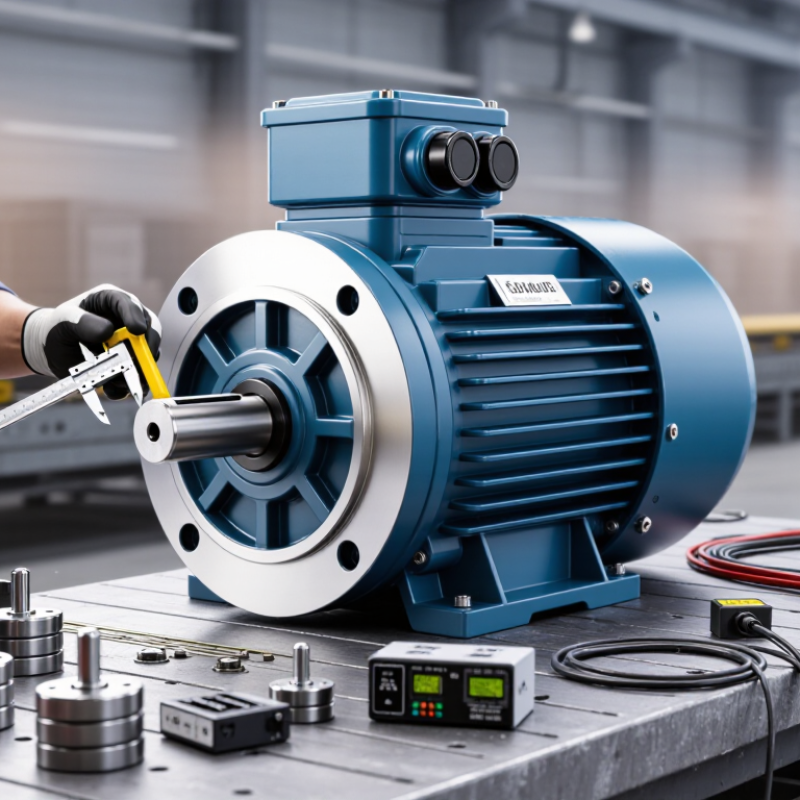
Understanding the operating principle is essential when choosing an AC synchronous motor. The stator creates a rotating magnetic field, while the rotor locks to that field at synchronous speed. The speed follows n = 120f/p, where f is frequency and p is the pole count. In steady operation, slip is nearly zero. This supports precise speed control, but starting usually needs auxiliary windings, a variable-frequency drive, or another starting method.
Tip 1: Match the motor’s pole count and supply frequency to the required speed. Tip 2: Check the load profile, not only the rated power. Pumps, compressors, and conveyors respond differently during acceleration. The International Energy Agency reports that electric motor systems consume roughly 45% of global electricity. Small efficiency gains can therefore reduce substantial operating costs. Tip 3: Compare efficiency across the complete load range. A motor rated highly at full load may perform poorly during frequent partial-load operation.
Tip 4: Confirm starting torque and acceleration time. Tip 5: Review power-factor requirements, because some synchronous motors can improve reactive-power performance. Tip 6: Examine ambient temperature, dust, vibration, and enclosure protection. Tip 7: Verify control compatibility before purchasing. I once treated efficiency as the only selection metric; that was incomplete. Installation losses, misalignment, and poor ventilation can erase expected savings. IEC 60034-30-1 efficiency classifications provide a useful comparison framework, but field measurements remain important. Record current, temperature, vibration, and actual speed after commissioning. Corset-tight specifications can still miss real operating conditions.
Understand how frequency and pole count determine the operating speed of an AC synchronous motor.
Synchronous speed is calculated as Ns = 120 × f ÷ P, where f is frequency in hertz and P is the number of poles. Under stable operating conditions, the rotor rotates in synchronism with the rotating magnetic field.
Choosing an AC synchronous motor starts with a clear definition of the application. Record the required speed, torque, and load before comparing motor specifications. Synchronous speed depends on supply frequency and pole count, so confirm the available electrical system first. If the process needs variable speed, identify the controller’s operating range and resolution.
Measure it twice. A conveyor may require steady torque, while a pump can create changing resistance during startup. Note the continuous torque, peak torque, acceleration time, and stopping frequency. Include the load’s inertia, not just its weight. A motor that meets the running torque may still stall during acceleration. Leave a practical margin, but avoid excessive oversizing because it can reduce efficiency and increase system cost.
I once underestimated a short torque surge during indexing. The motor ran smoothly, yet the machine hesitated at each cycle. That mistake showed why real operating data matters more than a simple average. Review the duty cycle, ambient temperature, mounting position, and available cooling. Check whether dust, vibration, or limited airflow could reduce performance. Ask for measured load profiles when possible. Guessing is risky. A small logging test can reveal speed dips, torque spikes, and repeated overloads before final selection. Document every assumption, including the points that still need testing.
Start by matching the motor type to the load. Permanent-magnet motors usually deliver high efficiency and power density. Synchronous-reluctance motors avoid rotor magnets and can reduce material concerns. Wound-field motors offer adjustable excitation, but their control system is more complicated. Compare rated torque, speed range, starting behavior, and overload capacity, not only nameplate power.
The International Energy Agency reports that electric motor systems consume about 53% of global electricity, so small efficiency differences matter over years of operation.
Check the duty cycle carefully. A conveyor running continuously needs different thermal performance than a pump with frequent starts. Confirm voltage, frequency, insulation class, enclosure rating, ambient temperature, and installation altitude. Review the motor’s efficiency at actual operating points, because peak efficiency may occur far from your normal load.
IEC 60034-30-1 provides efficiency classes for many AC motors, supporting more consistent comparisons. Still, the standard does not replace site measurements.
Evaluate the drive and motor together. A variable-speed drive can improve control, but harmonics, bearing currents, and cooling changes need attention. Calculate lifecycle cost using purchase price, energy use, maintenance, and downtime. I usually request test curves and a real duty profile before approving a selection.
My first estimate is often too optimistic. That is worth challenging.
The DOE notes that motor and drive system improvements can produce substantial energy savings, yet poor sizing can erase them. Choose with measured operating data, not habit.
Evaluate the motor’s real operating efficiency, not only its catalog rating.
Tip 1: Match rated power with the machine’s continuous load. Oversizing can increase purchase and operating costs.
Tip 2: Check efficiency across the expected speed range. A motor may perform well at full load but poorly during frequent low-load cycles.
Tip 3: Consider power factor correction. It can reduce reactive power demand and improve electrical performance.
In practical testing, measure temperature, current, and vibration after several operating hours. Small details matter.
Tip 4: Confirm that the control system supports the motor’s starting and speed requirements. A compatible drive should provide stable synchronization and suitable protection functions.
Tip 5: Review feedback options, such as position or speed sensing, when accurate control matters.
Tip 6: Inspect installation conditions carefully. Dust, moisture, ambient heat, and limited ventilation can shorten service life. Leave enough space around the housing.
Tip 7: Verify shaft alignment, mounting strength, cable routing, and grounding before commissioning. Poor alignment often creates noise and bearing stress.
I once underestimated cabinet heat during a trial. The motor remained within its rating, but the control equipment did not. That mistake changed my checklist. — end.
Choosing an AC synchronous motor requires more than reading its nameplate efficiency. The International Energy Agency’s Energy Efficiency 2023 report estimates that electric motor systems use about half of global electricity. The U.S. Department of Energy’s Motor Systems Market Assessment also reports that motor systems consume roughly 69% of U.S. industrial electricity.
Tip one: verify efficiency at your real load profile. Tip two: request temperature-rise, insulation, bearing, and vibration test data. Tip three: confirm testing follows recognized international standards. Independent results matter more than polished claims.
Tips four and five concern maintenance. Check bearing replacement intervals, sensor access, spare-part availability, and technician training requirements. Ask how the motor behaves during frequent starts, variable loads, or dusty operation. A maintenance schedule should be practical, not merely impressive.
Tip six: calculate total operating cost across its expected service life. Include purchase price, installation, controls, electricity, planned maintenance, unplanned downtime, and disposal.
The cheapest motor can become expensive after one avoidable failure. A spreadsheet can still lie.
Tip seven: compare documented reliability from similar installations. Request failure records, warranty conditions, and references from comparable duty cycles. Reliability claims without operating context are weak evidence.
I would also challenge optimistic savings estimates. Actual load changes, poor alignment, and voltage imbalance can erase laboratory gains. Recheck every assumption before approval.
Match rated power with the machine’s continuous load. Oversizing may raise purchase and operating costs. A small safety margin helps, but excessive capacity wastes energy.
Catalog efficiency may reflect full-load operation only. Check performance during low-load cycles and frequent speed changes. Real operation can look different.
Measure temperature, current, and vibration after several operating hours. Use readings from normal workloads, not only brief demonstrations. Small details matter.
Confirm that the drive supports starting, synchronization, speed control, and protection. A mismatch may cause unstable operation or difficult starting. Compatibility is not always obvious.
Feedback helps when accurate speed or position control is important. Review sensor access, signal compatibility, and replacement needs. More accuracy can also mean more maintenance.
Dust, moisture, heat, and poor ventilation can damage performance over time. Leave clear space around the housing. Check the cabinet temperature, too.
Verify shaft alignment, mounting strength, cable routing, and grounding. Poor alignment can create noise and bearing stress. Do not rush this step.
Review bearing intervals, sensor access, spare parts, technician training, and downtime risks. Calculate purchase, installation, electricity, maintenance, controls, and disposal costs. A spreadsheet can still lie. Recheck its assumptions.
Choosing the right Ac Synchronous Motor starts with understanding how it operates and how its magnetic field maintains a constant speed in step with the power supply frequency. Clearly define the required speed, torque, duty cycle, starting method, and load characteristics before selecting a motor. These factors help determine the appropriate motor type, power rating, voltage, and performance range for the application.
Next, compare efficiency, power factor, control options, and operating stability under both normal and changing conditions. Consider whether the motor will require a variable-speed drive, feedback system, or specialized protection. Installation conditions such as temperature, humidity, dust, ventilation, and available space can strongly affect performance and service life. Finally, evaluate reliability, inspection intervals, spare parts, ease of maintenance, and energy consumption. The best choice is not always the lowest purchase price; it should provide dependable operation, manageable maintenance, and the lowest total operating cost over its expected lifetime.
