
Sunvim Motor Sunvim Motor

Top 10 Advantages of Using a Reluctance Motor for Industry

Time:2026-09-02 Author:Isabella
0%

In today's industrial landscape, the importance of efficient motors cannot be overstated. Among these, the Reluctance Motor stands out due to its unique design and functionality. John Smith, a leading expert in motor technology, emphasizes, “Reluctance Motors offer unparalleled efficiency and reliability in demanding applications.” This assertion reflects the growing recognition of this technology among industry professionals.

Unlike conventional motors, the Reluctance Motor uses magnetic reluctance to generate torque. This mechanism allows for a lighter and more compact design. The motor's ability to perform well under challenging conditions makes it an asset for manufacturers in various sectors. Due to its inherent advantages, many companies are reevaluating their reliance on traditional motor systems.

However, the transition to Reluctance Motors is not without its challenges. Some industries may face hurdles in integration and adaptation. It's essential to acknowledge these potential setbacks while also recognizing the long-term benefits. As more enterprises explore the advantages of Reluctance Motors, ongoing education and expertise become vital for a successful shift.
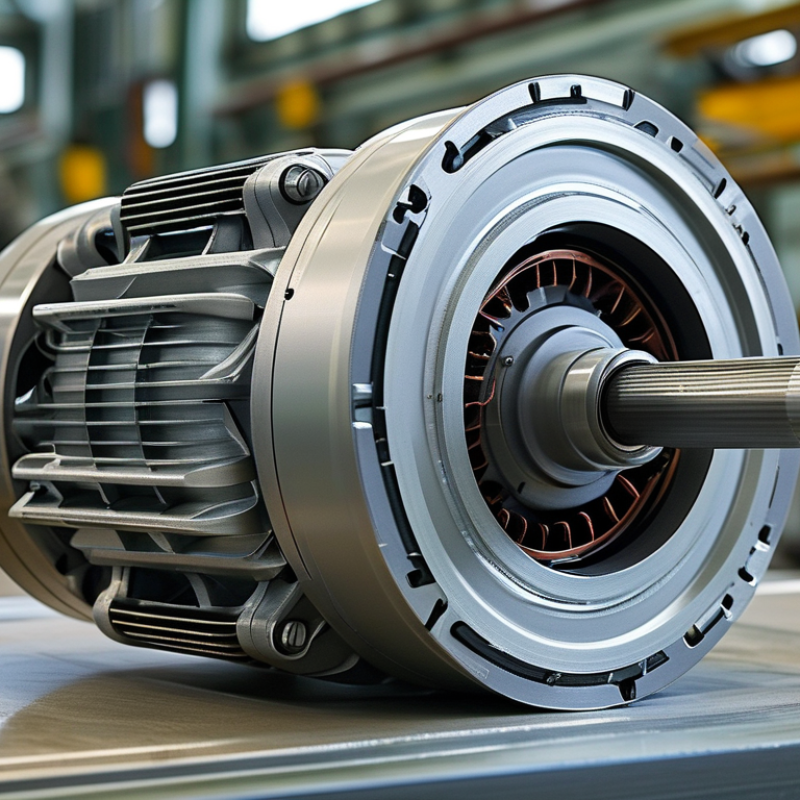
Top 10 Advantages of Using a Reluctance Motor for Industry

Advantages of High Efficiency in Reluctance Motors for Industry Applications

Reluctance motors are gaining traction in industrial applications, particularly for their high efficiency. According to a report from the International Energy Agency, electric motor systems account for nearly 70% of industrial electricity consumption. This demand requires a shift towards more energy-efficient solutions, where reluctance motors excel. Their design allows for lower energy losses during operation, translating to reduced operational costs over time.

The efficiency of reluctance motors can often reach 95%, placing them among the top performers in the electric motor category. This attribute significantly contributes to lowering electricity bills for manufacturers. Furthermore, a study by the U.S. Department of Energy found that upgrading to high-efficiency motors can save industries up to 50% on energy costs, especially in heavy-duty applications.

However, while these motors are promising, there are challenges. Initial investment costs may deter some businesses. Additionally, their performance can vary based on operational conditions and load variations. This variability requires industries to assess their specific needs before a transition. Still, with the growing emphasis on sustainability, reluctance motors offer a viable pathway toward more energy-efficient industrial processes.

Top 10 Advantages of Using a Reluctance Motor for Industry

Advantage Description Applications
High Efficiency Reluctance motors are known for their high efficiency, which leads to reduced energy consumption. Pumps, Fans, Compressors
Cost-Effective Operation Lower operational costs due to reduced energy losses and maintenance expenses. Manufacturing, Material Handling
Compact Size Designed to be compact, allowing for space-saving in various applications. Electric Vehicles, Robotics
High Torque Density Provides high torque output in a small package, beneficial for dynamic applications. CNC Machines, Conveyors
Less Maintenance Fewer moving parts lead to less wear and tear, resulting in lower maintenance needs. Industrial Automation, HVAC
Robustness Built to withstand harsh operating conditions, ensuring durability and reliability. Mining, Marine Applications
Wide Speed Range Can operate efficiently across a wide range of speeds, enhancing flexibility in applications. Textile Machinery, Food Processing
Silent Operation Produces minimal noise during operation, suitable for noise-sensitive environments. Residential Appliances, Office Equipment
Environmentally Friendly Energy efficiency contributes to lower carbon footprint and sustainability efforts. Renewable Energy Systems, Green Technologies
Adaptability Easily adaptable to various industrial applications and automation systems. Manufacturing Plants, Robotics

Cost-Effectiveness: Analyzing Operational Savings from Reluctance Motors

Reluctance motors have gained attention for their cost-effectiveness in industrial applications. They boast lower initial costs compared to many alternatives. Their simple construction leads to fewer components, resulting in reduced maintenance expenses. This is a notable advantage for manufacturing environments where downtime can be costly.

Operational savings are also significant. These motors typically consume less energy, enhancing overall efficiency. For businesses focused on sustainability, this reduced energy usage translates to lower utility bills. Over time, these savings can accumulate, contributing to a more favorable return on investment. However, while reluctance motors offer these benefits, they may sometimes present challenges in specific applications.

Some users report limitations in torque performance and control. This aspect requires careful consideration during the selection process. It’s essential to analyze the specific operational needs of an industry before implementing reluctance motors. Industry professionals must weigh these factors against potential savings.

Durability and Low Maintenance Requirements of Reluctance Motors

Reluctance motors are increasingly favored in industrial applications due to their durability and low maintenance requirements. These motors have a simple design, which reduces the number of components subject to wear. According to a study by the International Journal of Electrical Engineering, reluctance motors can last up to 40% longer than traditional motors, primarily due to their fewer moving parts. This can lead to significant cost savings over time, especially in heavy-duty applications.

Maintenance costs for reluctance motors are notably lower. The absence of brushes eliminates the need for frequent replacements, which is common in conventional motors. Research from the Energy Efficiency & Renewable Energy reports that reducing maintenance frequency by 50% can improve operational efficiency. Many industries are now taking advantage of this feature to redirect human resources toward other pressing tasks, thereby enhancing overall productivity.

Tip for optimizing motor performance: Regularly monitor the operating temperature. An increase beyond normal levels might indicate underlying issues. Additionally, ensure that all connections are secure and clean, as this can prevent unnecessary strain. Though reluctance motors are robust, any neglect in maintenance routines might lead to unexpected downtime. It's essential to weigh the pros and cons carefully.

Versatile Applications: Reluctance Motors Across Different Industries

Reluctance motors are gaining traction across various industries due to their adaptability and efficiency. Their ability to handle different operating conditions makes them suitable for diverse applications. In manufacturing, these motors can power conveyor systems, ensuring smooth transport of materials. They excel in environments where precision and reliability are critical, such as robotics and automation processes. The simplicity of their design also reduces maintenance requirements.

In the renewable energy sector, reluctance motors play a vital role. They are commonly used in wind turbines, where they help convert kinetic energy into electrical energy. Additionally, their lightweight and compact design contribute to enhanced energy efficiency. However, it’s important to address some limitations. For instance, they may not perform well under high torque demands without additional support. This can affect certain applications where power is a priority.

Many industries are discovering the benefits of reluctance motors, yet it’s essential to evaluate whether they align with specific project requirements. Understanding their capabilities can lead to improved productivity. Overall, while reluctance motors offer numerous advantages, a careful assessment is necessary to maximize their potential in various applications.

Top 10 Advantages of Using a Reluctance Motor for Industry

Environmental Benefits: Reducing Carbon Footprint with Reluctance Motors

Reluctance motors are gaining traction in the industrial sector due to their environmental benefits. These motors can significantly reduce carbon footprints compared to traditional solutions. A recent report highlighted that reluctance motors can improve energy efficiency by up to 20%. This efficiency translates into less electricity consumption, thus resulting in lower greenhouse gas emissions.

When considering a reluctance motor, think about your energy costs. Transitioning to these motors can lead to significant savings. Installations often yield a quick return on investment due to decreased energy expenditures. It’s essential to conduct a life cycle analysis to truly understand the environmental impact.

However, not all applications may benefit from reluctance motors. In scenarios that require high torque at low speeds, they may be less effective than other motor types. It's crucial to assess your specific needs and potential limitations before making the switch. Continuous improvement and monitoring are necessary to ensure you maximize the environmental benefits of using reluctance motors.

FAQS

: What are reluctance motors and why are they preferred in industrial applications?

: Reluctance motors are favored for their cost-effectiveness and durability. They have a simple design, leading to less maintenance.

How do reluctance motors save on operational costs?

They consume less energy, resulting in lower utility bills. Over time, this leads to significant savings.

Do reluctance motors require a lot of maintenance?

No, they have lower maintenance needs due to the absence of brushes. This reduces replacement frequency.

What is the lifespan of reluctance motors compared to traditional motors?

They can last up to 40% longer than conventional motors, primarily due to having fewer moving parts.

Are there any performance limitations with reluctance motors?

Yes, users may experience limitations in torque performance. It's important to assess specific operational needs carefully.

How do reluctance motors benefit the environment?

They reduce carbon footprints by improving energy efficiency by up to 20%. This leads to lower greenhouse gas emissions.

What should be monitored to optimize the performance of reluctance motors?

Regularly check the operating temperature and ensure all connections are secure and clean to prevent issues.

Can reluctance motors provide immediate financial returns?

Yes, transitioning to reluctance motors can yield quick returns due to decreased energy expenditures.

What is a potential drawback of using reluctance motors?

They may be less effective in applications requiring high torque at low speeds. Assess your needs.

What should users consider before switching to reluctance motors?

Conduct a life cycle analysis and monitor performance continuously to maximize benefits and address limitations.

Conclusion

The article titled "Top 10 Advantages of Using a Reluctance Motor for Industry" highlights the numerous benefits that reluctance motors offer in industrial applications. One of the primary advantages is their high efficiency, which leads to significant energy savings and operational cost reductions. Additionally, reluctance motors are noted for their durability and low maintenance requirements, making them a cost-effective solution for long-term use.

Versatility is another key feature, as reluctance motors can be employed across various industries, adapting to different operational needs. Furthermore, their use contributes to environmental sustainability by reducing the carbon footprint, aligning with global efforts to promote greener technologies. Overall, the article emphasizes that reluctance motors not only enhance operational efficiency but also support cost savings and environmental initiatives in industrial settings.

Isabella

Isabella

Isabella is a dedicated marketing professional with a sharp focus on driving brand growth and engagement through strategic content creation. With an extensive background in digital marketing, she combines her passion for storytelling with her keen understanding of industry trends to deliver......