
Sunvim Motor Sunvim Motor

What Are the Benefits of Synchronous Reluctance Motors?

Time:2026-06-19 Author:Amelia
0%

Synchronous Reluctance Motors (SynRMs) are gaining popularity in various industrial applications. These motors offer a unique combination of performance, efficiency, and reliability. Unlike traditional motors, SynRMs have no rotor windings, leading to reduced complexity and lower maintenance costs. Their simple design contributes to a longer operational lifespan.

The benefits of Synchronous Reluctance Motors extend to energy savings and improved efficiency. They excel in applications requiring high torque and precise control. Industries are increasingly adopting these motors due to rising energy costs and environmental standards. However, their performance might vary under different load conditions, prompting users to carefully assess their specific needs.

While Synchronous Reluctance Motors present clear advantages, challenges also exist. For instance, they can be less efficient at low speeds. Users must consider integration with existing systems. This requires a thorough understanding of the motor's capabilities. Despite these challenges, many industries are seeing the value in their potential, encouraging ongoing research and development.
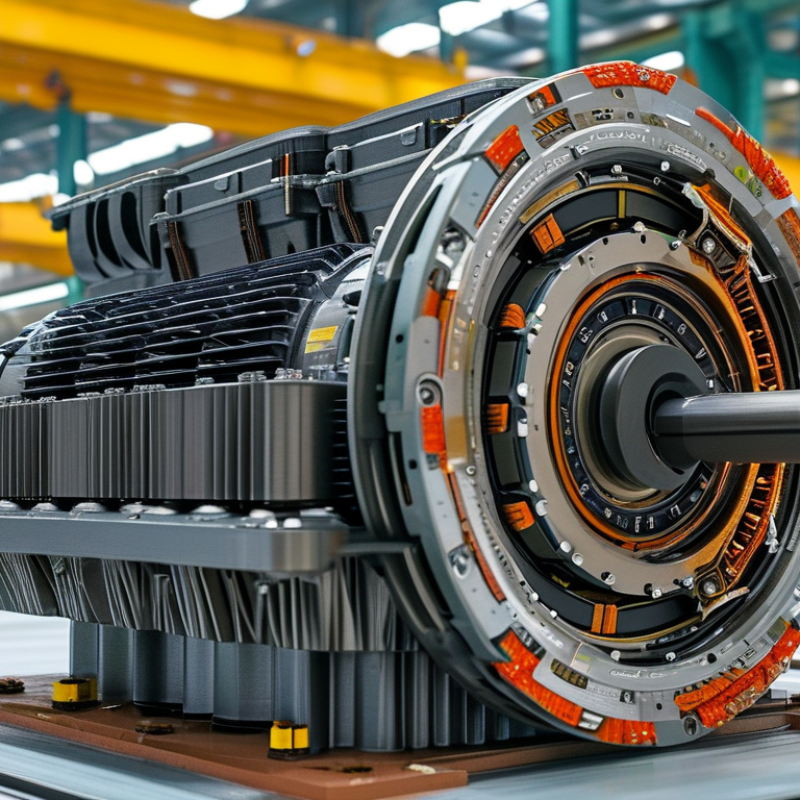
What Are the Benefits of Synchronous Reluctance Motors?

Overview of Synchronous Reluctance Motors and Their Functionality

Synchronous reluctance motors (SynRMs) have seen increased adoption due to their unique functionality and advantages. They operate without permanent magnets or winding current, relying on magnetic reluctance. This design not only simplifies construction but also enhances durability. Users can expect lower maintenance costs, as fewer components are prone to wear and tear.


The functionality of SynRMs revolves around their ability to provide high efficiency and power factor. They perform exceptionally well in variable speed drives and industrial applications. However, achieving optimal performance often requires fine-tuning and expert knowledge. Users might find the initial setup challenging, needing adjustments for load conditions.


SynRMs excel in situations where energy efficiency is paramount. Their reduced energy losses can lead to significant operational savings. Yet, their performance may be less effective in applications requiring high torque at low speeds. Understanding these limitations is crucial for potential users. It highlights the need for careful application assessment to fully leverage their benefits.

Key Advantages of Synchronous Reluctance Motors in Various Applications

Synchronous reluctance motors (SynRMs) present several advantages across diverse applications. One notable benefit is their simplicity in construction. They lack rotor windings and permanent magnets, which simplifies manufacturing. This design leads to greater reliability over time. A streamlined construction often results in lower maintenance requirements.

Another key advantage is energy efficiency. SynRMs efficiently convert electrical energy into mechanical output. This efficiency is critical in industrial settings, where energy costs can accumulate significantly. Furthermore, they demonstrate excellent torque-to-weight ratios. This makes them suitable for applications ranging from fans to conveyor systems.

Despite their benefits, challenges exist. For instance, torque ripple may be present in certain operating conditions. This can affect performance in precision applications. Additionally, integration with existing systems requires careful planning and expertise. Understanding these limitations can lead to better outcomes in motor selection and application.

Energy Efficiency and Cost Savings Offered by Synchronous Reluctance Motors

Synchronous reluctance motors (SynRMs) are gaining attention due to their impressive energy efficiency. Studies indicate that these motors can achieve efficiencies of up to 95%. This is a significant improvement over traditional induction motors, which typically range from 85% to 90%. The higher efficiency translates directly into reduced energy consumption, translating into substantial cost savings over time.

In recent analyses, the total cost of ownership for SynRMs has been shown to be lower. With reduced electrical losses, operational savings can amount to 30% or more, depending on the application. This is particularly beneficial in energy-intensive industries like manufacturing and HVAC systems. Companies are increasingly recognizing the advantages of SynRMs in a world where energy costs are rising.

However, there are considerations to keep in mind. Installation and initial setup may present challenges. Professionals need adequate training to optimize SynRM performance. Moreover, while these motors provide energy efficiency, the upfront costs may deter some businesses. Nevertheless, the long-term savings and environmental benefits often outweigh initial investments, making SynRMs a viable solution for many applications.

Comparison of Synchronous Reluctance Motors with Other Motor Types

Synchronous reluctance motors (SynRMs) stand out when compared to other motor types like induction motors and permanent magnet motors. They do not require windings on the rotor. This design results in a simpler construction and reduced manufacturing costs. However, this simplicity comes with limitations in efficiency at lower speed ranges. Users must consider whether their applications demand high torque at startup.

In contrast to induction motors, SynRMs offer a higher power factor and better efficiency at constant speed. Nevertheless, they struggle with speed control. This can be a drawback in applications requiring precise speed management. Additionally, while permanent magnet motors provide excellent torque density, they depend heavily on rare-earth materials. This reliance can lead to supply chain vulnerabilities.

Synchronous reluctance motors eliminate these concerns but may not perform optimally under all conditions. The choice between SynRMs and other motor types should reflect specific operational needs. Each motor has its own advantages and trade-offs. Users must analyze their operational contexts, assess efficiency, and evaluate the cost implications for their specific applications.

What Are the Benefits of Synchronous Reluctance Motors? - Comparison of Synchronous Reluctance Motors with Other Motor Types

Motor Type Efficiency (%) Torque Density (Nm/kg) Cost ($/kW) Maintenance Applications
Synchronous Reluctance Motor 85-95 1.5-2.5 50-100 Low, no brushes Pumps, fans, compressors
Induction Motor 80-90 1.0-1.8 40-90 Moderate, requires maintenance Conveyor systems, rolling mills
Permanent Magnet Motor 90-98 2.0-3.0 70-120 Moderate to high Electric vehicles, robotics
Brushed DC Motor 75-85 1.2-2.0 30-80 High, brushes wear out Toys, small machines

Future Trends and Innovations in Synchronous Reluctance Motor Technology

The landscape of synchronous reluctance motor technology is evolving rapidly. Innovations are addressing efficiency, performance, and cost-effectiveness. These motors boast a simple design, which reduces the likelihood of mechanical failures. New materials, such as lightweight composites, are enhancing motor efficiency. These advancements lead to improved power-to-weight ratios.

Research focuses on integrating advanced control algorithms with synchronous reluctance motors. This approach enhances performance under varying load conditions. Machine learning is playing a crucial role in predictive maintenance. Implementing adaptive strategies could extend the lifespan of these motors. Yet, challenges persist; ensuring compatibility with existing systems remains a concern for manufacturers.

Energy efficiency standards are pushing industries toward sustainable solutions. The industry's shift toward electrification and renewable energy sources drives this demand. However, the initial costs can deter widespread adoption. Continued innovation is necessary to overcome barriers and enhance reliability. Synchronous reluctance motors have potential, but ongoing research is vital for maximizing their impact in diverse applications.

Benefits of Synchronous Reluctance Motors

FAQS

: What are synchronous reluctance motors (SynRMs)?

: SynRMs are motors that operate without permanent magnets or winding current. They rely on magnetic reluctance.

What advantages do SynRMs offer?

They feature a simple design, enhancing durability and reducing maintenance costs. Fewer components are prone to wear.

How efficient are synchronous reluctance motors?

SynRMs can achieve efficiencies of up to 95%, outperforming traditional induction motors, which range from 85% to 90%.

What applications are SynRMs suitable for?

They excel in variable speed drives and energy-intensive industries like manufacturing. However, be cautious of low-speed torque limitations.

Are there challenges with using SynRMs?

Yes, initial setup can be complex and requires expert knowledge. Fine-tuning is often needed to match load conditions.

What about the cost implications of SynRMs?

While upfront costs can be high, SynRMs generally offer lower total ownership costs. Long-term savings often offset initial investments.

How is technology evolving in SynRMs?

Innovations focus on efficiency, new materials, and advanced control algorithms. These aim to improve performance and reliability.

What role does machine learning play in SynRMs?

Machine learning is being used for predictive maintenance, potentially extending the lifespan of these motors.

What factors affect the adoption of SynRMs?

Initial costs and integration with existing systems can hinder widespread use. However, benefits may outweigh these drawbacks.

Are there environmental benefits to using SynRMs?

Yes, their energy efficiency contributes to lower operational costs and supports sustainable practices in various industries.

Conclusion

Synchronous Reluctance Motors (SynRMs) are an innovative solution that leverages magnetic reluctance for efficient operation. These motors exhibit a robust functionality, making them suitable for a variety of applications, including industrial and automation processes. Key advantages of SynRMs include their inherent energy efficiency, which significantly reduces operational costs compared to traditional motor types. This efficiency, combined with lower maintenance needs due to fewer components, makes them an attractive option.

As industries continue to prioritize energy savings and sustainability, the demand for Synchronous Reluctance Motors is expected to grow. Innovations in this technology are paving the way for enhanced performance and adaptability, ensuring that SynRMs will play a vital role in future developments across multiple sectors. Their comparison with other motors highlights their unique benefits, positioning them as a preferred choice for energy-conscious operations.

Amelia

Amelia

Amelia is a seasoned marketing professional with a wealth of expertise in our company’s core offerings. With an unwavering passion for driving growth and innovation, she plays a pivotal role in shaping our marketing strategies and enhancing brand visibility. A key aspect of her responsibilities......