
Sunvim Motor
In today’s competitive landscape, selecting the right components for your operation is critical. One option stands out: Electric Motors. These powerful tools offer efficiency and reliability, crucial for various business applications.
Electric Motors have become increasingly popular due to their energy efficiency and adaptability. They reduce operational costs significantly through lower energy consumption. Businesses can benefit from the precise control that Electric Motors offer, enhancing productivity and performance.
However, it's essential to consider potential drawbacks. Not all Electric Motors suit every application. Factors like load requirements and environmental conditions play a significant role in their effectiveness. It’s vital for businesses to evaluate their specific needs. Choosing the right Electric Motor can lead to sustainable growth and operational success.
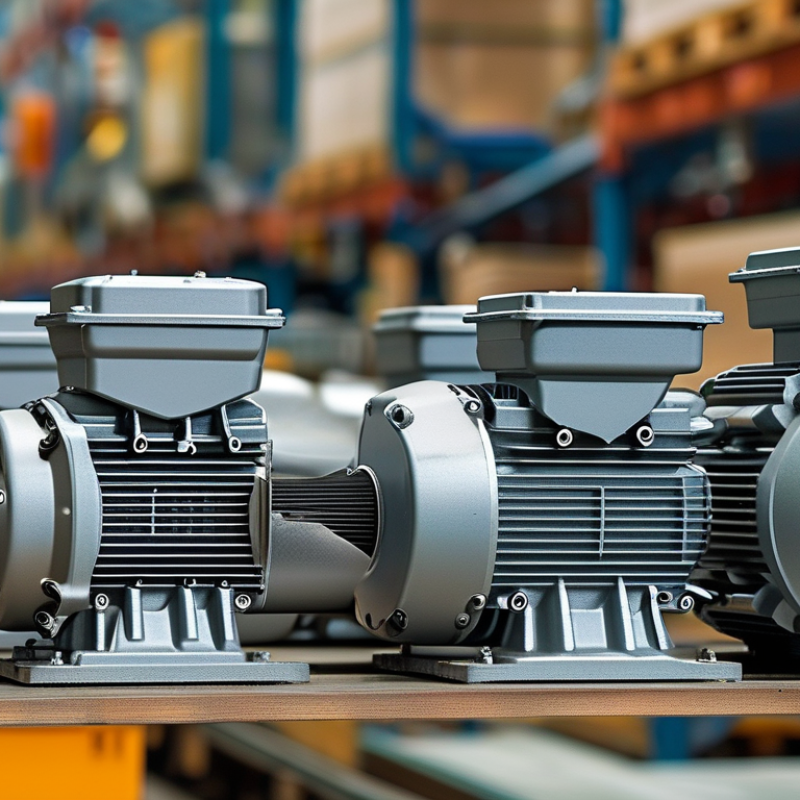
Electric motors are transforming industries across the globe. They offer clean, efficient energy solutions that cater to various business needs. In manufacturing, they drive machines quietly and reliably, reducing noise pollution while maintaining productivity. This switch can significantly lower operational costs and contribute to sustainability goals.
In logistics, electric motors power vehicles and equipment, enhancing efficiency. They require less maintenance than traditional combustion engines. This transition saves time and expenses linked to repairs. Additionally, electric motors operate smoothly, providing better control for operators.
There are challenges. Initial investments can be high. Not all facilities have the infrastructure for electric upgrades. However, the long-term benefits often outweigh these hurdles. Investing in electric motors aligns with future trends towards eco-friendliness and regulatory compliance. Businesses must evaluate the specific needs and capabilities of their operations before transitioning. Balancing these factors is crucial for success.
When considering electric motors, cost efficiency emerges as a significant factor. Electric motors typically have lower operational costs compared to traditional alternatives. They consume less energy, leading to noticeable savings over time. For many businesses, this can translate into lower utility bills, which positively impacts the overall budget.
Moreover, electric motors require less maintenance. With fewer moving parts and no need for oil changes, businesses spend less on repairs. This reliability ensures that operations run smoothly. A potential downside is the upfront investment. Initial costs for electric motors may be higher. However, the long-term savings often outweigh this initial expense. The environment also benefits, as using electric motors reduces emissions.
Exploring these factors reveals both strengths and weaknesses. Some businesses may hesitate to switch to electric motors. They may fear the change in technology or uncertainty about return on investment. Addressing these concerns is crucial. Though challenges exist, the potential for long-term savings remains a compelling reason to consider electric motors. It’s about balancing immediate costs with future savings.
Electric motors are transforming business operations. Their environmental benefits are significant. Switching to electric motors can drastically reduce greenhouse gas emissions. This change is vital in the fight against climate change. Businesses play a crucial role in this transition.
Using electric motors results in less air pollution. Unlike traditional combustion engines, they produce no harmful emissions. Cleaner air benefits everyone, especially in urban areas. Moreover, electric motors are quieter. Reduced noise contributes to a better working environment. This aspect cannot be overlooked; employees often thrive in quieter settings.
The efficiency of electric motors is another plus. They convert over 90% of electrical energy into usable power. This efficiency reduces energy consumption, lowering costs over time. However, this shift requires careful planning. Not all applications may transition easily to electric motors. Businesses must evaluate their specific needs and capabilities.
| Aspect | Electric Motor | Conventional Motor |
|---|---|---|
| Energy Efficiency | Up to 90% efficiency | Typically around 75% efficiency |
| Emissions | Zero operational emissions | High CO2 emissions |
| Maintenance Cost | Lower maintenance costs | Higher maintenance costs |
| Noise Pollution | Quieter operation | Louder operation |
| Lifespan | Longer lifespan | Shorter lifespan |
Electric motors are becoming increasingly popular in various industries. Their performance and reliability are key factors driving this trend. According to the International Energy Agency (IEA), electric motors are responsible for about 45% of global electricity consumption in industrial settings. This significant demand underscores the importance of motor efficiency and performance.
Reliability is critical for business operations. Studies show that electric motors have a failure rate of less than 2% under standard operating conditions. This reliability translates into reduced downtime and lower maintenance costs. In contrast, combustion engines often face more complex maintenance issues and breakdowns, which can adversely affect productivity.
Furthermore, electric motors operate efficiently and quietly. They can convert over 90% of electrical energy into mechanical energy, surpassing traditional engines in both performance and energy savings. However, one must also consider challenges. For instance, the initial investment for electric motors can be high. Some businesses may hesitate due to the upfront costs. Balancing these aspects is vital to ensure a sustainable transition.
Electric motors have become essential in modern business, showing incredible versatility across various applications. They play a critical role in sectors like manufacturing, agriculture, and commercial transportation. According to the International Energy Agency, electric motors can account for up to 65% of global electricity consumption. This highlights their need for efficiency in diverse settings.
For instance, in manufacturing, electric motors drive conveyors and pumps. They are vital for automation systems that enhance productivity. In agriculture, electric motors power equipment like irrigation systems and harvesters. This adaptability ensures businesses can meet specific operational requirements without heavy modifications. Many companies report a significant reduction in operational costs after switching to electric motors.
However, the transition to electric motors can present challenges. Some industries may struggle with retrofitting existing machinery. Others may face higher initial costs, leading to hesitation. The reliability of electric systems varies based on quality and maintenance practices. Addressing these factors is crucial for realizing the full potential of electric motor technology. While they offer numerous benefits, ongoing assessments of performance and efficiency are necessary for optimal use.
: Electric motors consume less energy, leading to lower utility bills and noticeable savings over time.
Electric motors require less maintenance due to fewer moving parts and no oil changes, reducing repair expenses.
The initial investment for electric motors can be higher than traditional alternatives, which may deter some businesses.
Electric motors have a failure rate of less than 2%, ensuring reliable performance and reduced downtime.
Electric motors convert over 90% of electrical energy into mechanical energy, outperforming traditional combustion engines.
Concerns about technology changes and uncertainty regarding return on investment may lead to hesitation.
Electric motors reduce emissions, benefiting the environment as they replace traditional fuel-based engines.
Balancing immediate costs with future savings is crucial to ensure a successful transition to electric motors.
Yes, reduced downtime and maintenance costs from electric motors can enhance overall productivity in operations.
Yes, challenges include initial costs and adapting to new technology, which require careful consideration.
Electric motors have become a pivotal choice for businesses across various industries due to their numerous advantages. One of the key benefits is cost efficiency; while the initial investment may be higher, electric motors provide long-term savings through reduced energy consumption and lower maintenance costs. Additionally, they contribute positively to the environment by minimizing carbon emissions and reliance on fossil fuels, making them a sustainable option for modern enterprises.
Furthermore, electric motors are renowned for their performance and reliability, offering consistent output and durability that meets diverse operational demands. Their versatility allows them to be utilized in a wide range of applications, from manufacturing to transportation. By choosing electric motors, businesses not only enhance their operational efficiency but also align with eco-friendly practices, ultimately positioning themselves for future growth and sustainability.
