
Sunvim Motor Sunvim Motor

How to Choose the Right Synchronous Motor for Your Projects?

Time:2026-06-13 Author:Madeline
0%

Choosing the right Synchronous Motor for your projects is crucial. The Synchronous Motor stands out for its efficiency and performance. Engineers and project managers often face challenges when selecting the ideal motor. It’s not just about specifications; understanding the application is vital.

Consider the load requirements and operating conditions. A Synchronous Motor can offer precision in speed control. However, it may not be the best choice for all applications. Some projects may require less complexity. This is where reflection comes in. Knowing when to choose a Synchronous Motor can prevent costly mistakes.

Reliability is key. Manufacturers have various options, each with unique features. Selecting a motor can be overwhelming. The market offers many choices, but not all are suitable for every project. Assessing the project requirements and constraints is necessary. A Synchronous Motor might be the perfect fit, or it may fall short of expectations. Understanding these nuances ensures better decision-making.
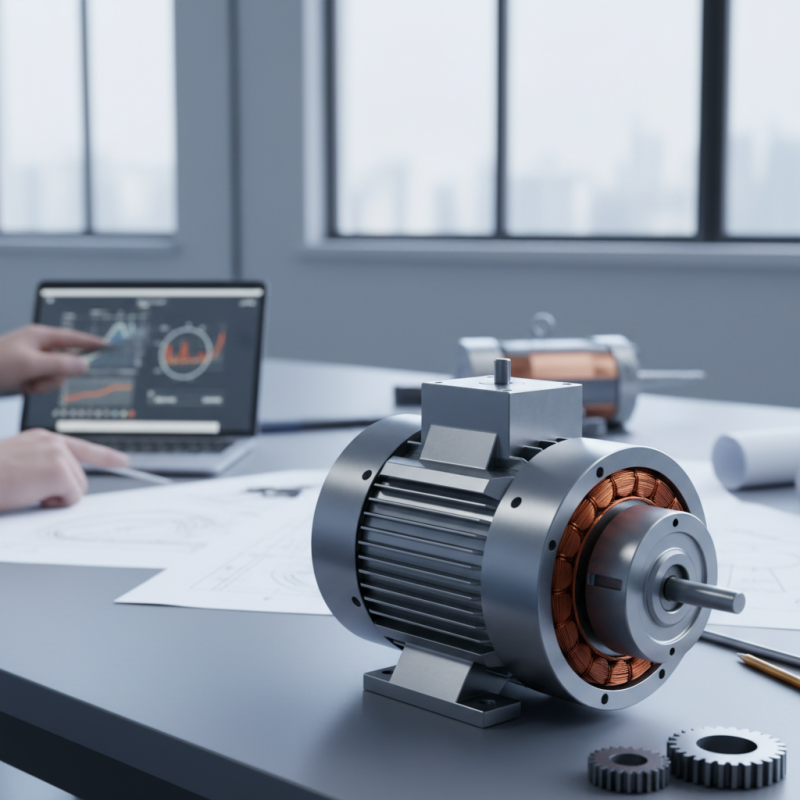
How to Choose the Right Synchronous Motor for Your Projects?

Understanding the Basics of Synchronous Motors

Synchronous motors offer distinct advantages for various projects. Understanding their operational principles is essential. Unlike induction motors, synchronous motors require an external power source for magnetization. This makes them ideal for applications requiring precise speed control. According to a recent industry report, these motors can achieve efficiency rates of up to 95%. Such efficiency translates into significant energy savings.

The construction of synchronous motors involves rotor and stator components. The rotor can be either a permanent magnet or an electromagnet. This dual design leads to varied performance characteristics. Projects that demand high torque at low speeds benefit from employing synchronous motors. However, they may not be suitable for all applications, especially where variable speed is necessary. It’s crucial to assess the specific needs of your project.

Consider factors such as load requirements and operational durability. High torque can mean increased wear over time, impacting long-term reliability. Not all synchronous motors will meet your performance criteria, so careful selection is key. Industry statistics indicate that improperly selected motors can reduce efficiency by up to 20%. This highlights the importance of thorough evaluation before making your choice.

Identifying Your Project Requirements and Specifications

When selecting a synchronous motor, it's essential to clarify your project requirements. Start by defining the operational environment. Temperature, humidity, and dust levels can significantly impact motor performance. For instance, motors in harsh environments may require additional protection, such as IP ratings for dust and water resistance.

Next, assess the required torque and speed. The application typically dictates these parameters. A report by the International Electromechanical Commission indicates that 15% of industrial energy consumption comes from motors. If your application requires high starting torque, you should prioritize motors designed specifically for that need. This ensures efficiency and longevity.

Another critical factor is power supply considerations. Many synchronous motors run on three-phase systems, which are more efficient than single-phase fields. However, project feasibility may depend on the existing infrastructure. Research shows that nearly 40% of project delays are due to power system inadequacies. Therefore, understanding the available power system can prevent costly mistakes. Knowing these specifications can guide you to choose the right synchronous motor for your project effectively.

Evaluating Different Types of Synchronous Motors

Choosing the right synchronous motor is critical for project success. Different types of synchronous motors can serve various applications, so it's vital to evaluate them carefully. Permanent magnet motors, for example, are known for their high efficiency. They work well in situations where space is limited. However, their cost can be a drawback.

Induction synchronous motors are versatile and widely used. They provide a good balance between performance and affordability. These motors can be less efficient at lower loads, leading to potential wasted energy. That said, they excel in robust applications and heavy-load scenarios.

When evaluating options, consider the power requirements and operational environment. Think about factors like torque, speed, and thermal management. Each of these elements affects performance and longevity.

Tips: Always check the motor's specifications against your project needs. Don't overlook cooling methods; overheating can shorten the motor's lifespan. If possible, consult with an expert to avoid costly mistakes. Proper testing in real conditions is a must. It delivers insights that specs alone may not reveal.

Considering Efficiency and Performance Factors

When selecting a synchronous motor, efficiency and performance are crucial factors to consider. Efficiency not only affects energy consumption but also impacts long-term operational costs. A motor with a higher efficiency rating can lead to substantial savings over time. It’s essential to evaluate the load characteristics of your application. Ensure the motor's specifications align with the demands of the project, especially when dealing with variable loads.

Moreover, performance aspects such as torque and speed regulation should not be overlooked. The ideal synchronous motor will maintain a stable torque even under fluctuating conditions. However, selecting a motor that is too powerful can lead to over-engineering, resulting in wasted resources. Testing various motors in controlled scenarios can help you identify the best fit. Forming partnerships with experienced engineers can also enhance your decision-making process. While data and specifications are important, the real-world application must drive your final choice.

Assessing Budget and Supply Chain Considerations

When selecting a synchronous motor, budget and supply chain factors significantly influence project outcomes. Industry reports indicate that approximately 30% of project delays stem from supply chain disruptions. Companies often fail to consider lead times for sourcing components. Understanding local and global market conditions can aid in planning.

Assessing budget constraints is crucial. A recent survey identified that 45% of engineers prioritize cost over efficiency in motor selection. This approach can lead to long-term inefficiencies and replacement costs. Utilize lifecycle cost analysis to get a clearer picture of expenses over time. Evaluating factors like maintenance, energy consumption, and availability can prevent overspending in the initial stages.

Additionally, being aware of sourcing flexibility is essential. A rigid supply chain may result in reliance on a single supplier. In contrast, a diversified approach can mitigate risks. Recent data suggests that projects with multiple suppliers experience 20% fewer delays. This strategy requires careful planning and constant communication with vendors to ensure timely delivery and optimal pricing.

FAQS

: What are the main types of synchronous motors?

: The main types are permanent magnet motors and induction synchronous motors. Each has unique advantages and applications.

Why are permanent magnet motors efficient?

They are efficient due to their design. However, their initial cost can be high, which may limit their use.

What should I consider when choosing a synchronous motor?

Consider power requirements, torque, speed, and thermal management. Each factor impacts performance and longevity significantly.

What are some disadvantages of induction synchronous motors?

They may be less efficient at lower loads, potentially leading to wasted energy. This could increase operational costs over time.

How can I ensure my motor choice meets project needs?

Check motor specifications against project demands. Consult with experts and perform testing in real conditions for better insights.

Why is efficiency important in motor selection?

Efficiency affects energy consumption and long-term costs. Higher efficiency can lead to significant savings over time.

What happens if I choose a motor that is too powerful?

Over-engineering can lead to wasted resources and increased costs. It’s crucial to match motor specifications to actual needs.

How does testing assist in motor selection?

Testing motors in controlled scenarios helps identify the best fit for real-world applications. Data is useful, but real scenarios matter more.

Should I overlook cooling methods in my motor evaluation?

No, cooling methods are critical. Overheating can shorten a motor’s lifespan. Always consider how to manage thermal conditions.

Can I rely solely on specifications for my motor choice?

No, while specs are important, real-world performance is crucial. Don't ignore practical testing and expert opinions.

Conclusion

Choosing the right synchronous motor for your projects requires a comprehensive understanding of their fundamentals and functions. Start by grasping the basics of synchronous motors, including how they operate and their advantages over other motor types. It's crucial to identify your specific project requirements and specifications, as this will guide you in selecting the most suitable motor for your needs.

Once you have a clear set of requirements, evaluate the various types of synchronous motors available, considering their efficiency and performance factors. Furthermore, budget limitations and supply chain considerations play an essential role in the decision-making process. By carefully analyzing these aspects, you can ensure the successful integration of a synchronous motor into your project, ultimately achieving desired outcomes while maintaining cost-effectiveness.

Madeline

Madeline

Madeline is a dedicated marketing professional with a wealth of expertise in our company's core offerings. With a keen understanding of the industry, she brings a unique perspective to her role, consistently delivering high-quality content that highlights the superior aspects of our products. As......