
Sunvim Motor Sunvim Motor

How to Choose the Right Three Phase Electric Motor for Your Needs?

Time:2026-07-29 Author:Oliver
0%

Choosing the right Three Phase Electric Motor is crucial for various applications. Motors come in different designs, power ratings, and efficiencies. Understanding these factors can significantly impact performance and energy consumption.

When selecting a Three Phase Electric Motor, consider the application’s specific needs. Think about speed, torque, and operational conditions. Not all motors fit every situation. If you overlook these details, you might end up with a motor that underperforms or fails prematurely.

Moreover, it’s essential to pay attention to reliable manufacturers. Their expertise can guide you in finding the right motor. Yet, even reputable brands can have models that don't suit every needs. Take time to reflect on your requirements. A well-informed choice can lead to enhanced efficiency and productivity.
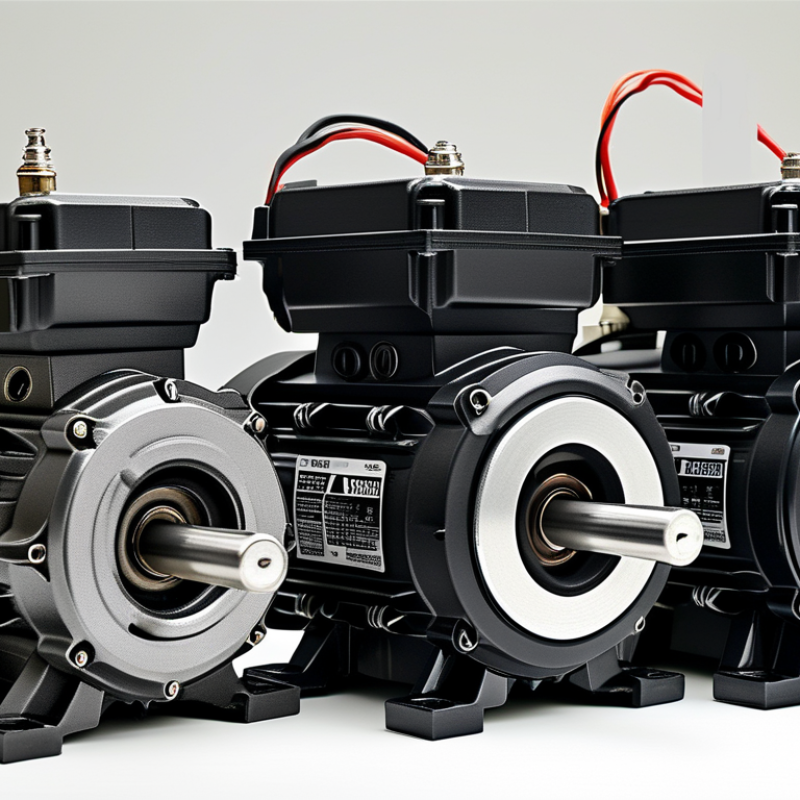
How to Choose the Right Three Phase Electric Motor for Your Needs?

Understanding the Basics of Three Phase Electric Motors

Three phase electric motors are crucial in industrial applications. Understanding their basics helps in selecting the right motor for your needs. These motors are known for their efficiency and performance. According to a 2022 report from the International Electrotechnical Commission, three phase motors account for nearly 65% of all electric motors used globally.

These motors operate on three alternating currents. This results in a smooth and continuous operation. Their robust design enhances longevity and reduces maintenance needs. For applications requiring high torque and consistent output, three phase motors often outperform single phase options. However, they require a three phase power supply, which not all facilities may have.

Tip: Assess your power supply before purchasing. Ensure compatibility with three phase motors.

When selecting a motor, consideration of factors like speed, torque, and load type is essential. Various designs are available, which cater to different requirements. However, it's crucial to understand potential challenges, such as installation complexity and initial cost.

Tip: Consult with a motor specialist to assess your exact needs. This can prevent costly mistakes later on.

Choosing the right three phase motor enhances operational efficiency. However, careful evaluation of your specific application and environment is key. Don't rush the decision; take your time to ensure a good match.

Identifying Your Specific Power Requirements for the Motor

When selecting a three-phase electric motor, understanding power requirements is crucial. Start by evaluating the load your motor will drive. This includes considering the type of machinery involved and operating conditions. For instance, your motor must supply sufficient torque to handle peak demands. Also, think about whether the load is continuous or intermittent. Both can significantly impact your motor's sizing.

Determine the voltage and frequency specifications as well. These can vary based on your geographical location and specific application requirements. Ensuring your motor aligns with these parameters is vital for performance and efficiency. It's also wise to consider potential future expansions. Will your power needs grow? Plan for this upfront to avoid costly upgrades later.

Lastly, take into account the environment where the motor will operate. Humidity and temperature variations can affect performance. Using the wrong motor for your conditions may lead to inefficient operation or premature failure. Reflect on these factors carefully to make an informed decision.

Evaluating Different Types of Three Phase Electric Motors Available

When evaluating different types of three-phase electric motors, it's vital to understand their characteristics. These motors come in various designs, like induction, synchronous, and brushless types. Each has unique features that suit specific applications. Induction motors are popular due to their simplicity and durability. They work well in constant-speed scenarios but struggle with variable loads.

Synchronous motors, on the other hand, excel in applications requiring precise speed control. They can maintain a constant speed regardless of load changes. However, they require additional components for operation, making them more complex. Brushless motors are efficient and have a longer lifespan. Yet, they need specialized controllers, which can increase the overall system cost.

It's important to consider your specific needs. Assess your operational environment, load requirements, and speed control needs. Remember, selecting the wrong type may lead to inefficiencies or increased maintenance costs. Understanding these details will guide you in making an informed decision. Choosing the right motor is not just about picking a model; it’s about ensuring it aligns with your operational goals.

Considering Environmental Factors and Application Fit

When selecting a three-phase electric motor, environmental factors play a crucial role. Approximately 45% of energy use in industrial sectors comes from electric motors, as reported by the International Energy Agency. Understanding the environment where the motor operates can influence energy efficiency. High ambient temperatures or humidity may require motors with higher protection ratings, like IP65 or IP67. Using improperly rated motors can lead to failures, increasing maintenance costs.

Application fit is another critical consideration. Motors must be compatible with the load they drive. For instance, a motor tasked with heavy loads requires robust torque capabilities. An underpowered motor may overheat and fail, while an oversized one can cause inefficiencies. Industry data indicates that optimizing motor choice can lead to a 10-20% reduction in operational costs.

Reflecting on these factors can reveal gaps in common practices. Many businesses overlook specific requirements of their applications and environmental conditions. This oversight can result in unexpected downtime and elevated energy bills. It is essential to continually evaluate the synergy between motor performance and operational demands. This approach ultimately improves reliability and efficiency in the long run.

Assessing Motor Efficiency and Energy Consumption Levels

When selecting a three-phase electric motor, understanding efficiency and energy consumption is crucial. Efficiency directly impacts operational costs. A motor with higher efficiency converts more electrical energy into mechanical power. This reduces waste and long-term expenses. Knowing the efficiency rating can help gauge performance. Look for motors with clear energy labels.

Energy consumption levels are also vital. Assess your operational demands. Short bursts of high power may differ from steady, long-term use. Consider the load and running conditions. A motor working under stress can consume more energy.

Evaluating these factors can guide your choice effectively.

There can be trade-offs. Higher efficiency motors might come with a higher purchase price. Reflect on your budget versus long-term savings.

Balancing initial investment and operating costs can be challenging. It's important to visualize your specific needs and potential scenarios before making a choice. Efficiency isn't the only metric, but it plays a significant role in overall performance and sustainability.

FAQS

: What are three phase electric motors primarily used for?

: They are crucial in industrial applications, known for efficiency and performance.

Why are three phase motors preferred over single phase ones?

They often provide higher torque and more consistent output in demanding applications.

What should I consider before purchasing a three phase motor?

Assess your power supply compatibility, including voltage and frequency specifications.

How do environmental factors impact three phase motor performance?

Humidity and temperature variations can affect operation, leading to inefficiency or failure.

What types of three phase electric motors are available?

Common types include induction, synchronous, and brushless motors, each with unique features.

Why is understanding power requirements important?

Evaluating load type and operating conditions ensures the motor meets your specific needs.

What might happen if I choose the wrong type of motor?

It could lead to inefficiencies, increased maintenance costs, or premature failure.

What is a common misconception about motor selection?

Many rush the decision, failing to consider long-term operational needs and costs.

What should I do if I am unsure about my motor choice?

Consult with a motor specialist to prevent potential costly mistakes.

How can future expansions affect my motor selection?

Planning for increased power needs can help avoid expensive upgrades later on.

Conclusion

Choosing the right Three Phase Electric Motor requires a thorough understanding of its fundamentals and how they align with your specific needs. Begin by assessing your power requirements to ensure the motor can handle the demands of your application. Next, evaluate the various types of three phase electric motors available, taking into consideration their unique characteristics and how they fit into your operational environment.

Additionally, it's crucial to consider environmental factors that may affect motor performance, such as temperature and potential exposure to contaminants. Finally, assess the efficiency and energy consumption levels of the motor, as these factors can impact operational costs and sustainability. By systematically addressing these elements, you can select a three phase electric motor that best meets your operational needs and enhances overall productivity.

Oliver

Oliver

Oliver is a seasoned marketing professional with a wealth of expertise in driving brand awareness and engagement. With a deep understanding of our company's product offerings, he consistently delivers high-quality content that enriches our professional blog. His insights not only shed light on......