Selecting the right High Torque Electric Motor is critical for various applications. The global electric motor market is projected to reach $189.7 billion by 2027, according to Market Research Future. High torque motors are in demand for their efficiency and performance in industrial settings. These motors offer significant advantages in heavy machinery, automotive applications, and robotics.
Understanding torque ratings is essential when choosing a motor. A high torque electric motor typically provides greater torque at lower speeds, which is vital in applications like conveyor systems and lifts. According to the International Electrotechnical Commission, proper motor selection can improve overall system efficiency by 30%. However, many users overlook torque matching, potentially leading to system failures.
Choosing the right motor involves understanding specifications and requirements. Not all high torque motors are equal. Factors such as size, weight, and energy consumption need careful consideration. Investing time in research is necessary; a hasty decision may result in increased costs and performance issues. Keep in mind that the correct motor directly affects your machinery's productivity and lifespan.
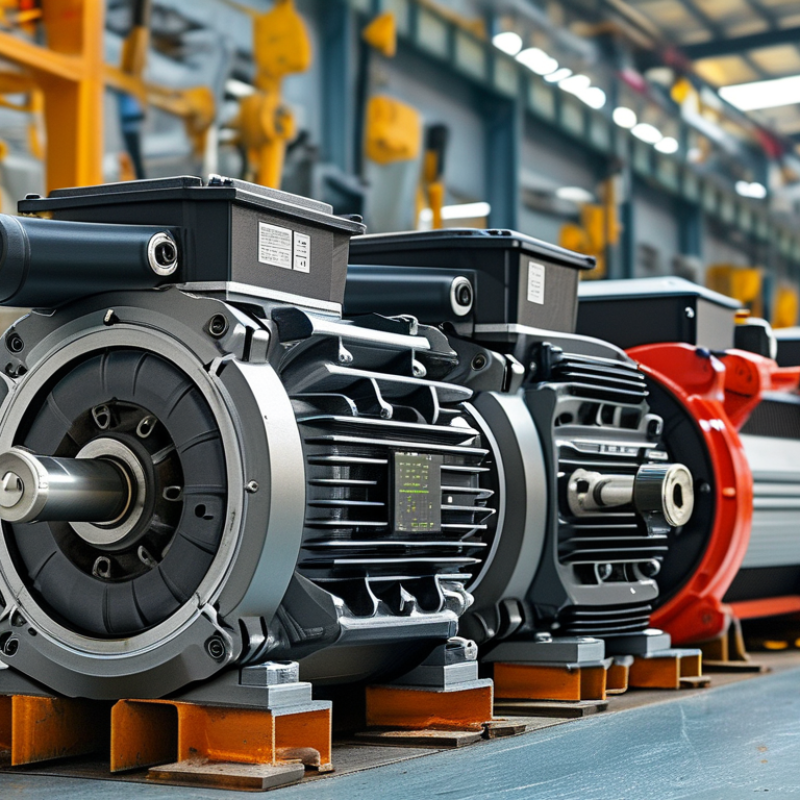
What is a High Torque Electric Motor and Its Applications?
High torque electric motors are essential in numerous applications. They are designed to provide high rotational force at low speeds. This makes them ideal for heavy machinery, automotive applications, and industrial equipment. Their unique characteristics allow them to handle demanding tasks efficiently. For example, they can power a conveyor belt moving heavy loads or operate hydraulic pumps for lifting systems.
These motors are widely used in electric vehicles. They enhance performance and efficiency. The ability to generate significant torque from a standstill is crucial for acceleration. Their robustness also makes them suitable for robotics and automation. However, not all high torque motors are created equal. Variations exist in construction, efficiency, and operational range. Choosing the right one can be challenging.
It’s important to consider the specific needs of your application. Think about the required torque, speed, and overall power consumption. Some higher torque motors may not provide the efficiency needed for lighter applications. This can lead to unnecessary energy use. Understanding these factors is vital. It ensures that you select a motor that fits your requirements perfectly. Reflections on personal experiences with different types of motors can help guide your choice.
Key Factors to Consider When Selecting a High Torque Electric Motor
When selecting a high torque electric motor, several key factors demand attention. Start by assessing the application requirements. High torque motors find uses in automotive, industrial machinery, and robotics. Knowing the application helps determine the required torque range. Research indicates that torque demands often vary. For instance, robotics may require lower torque but high precision, whereas industrial applications may need higher torque levels consistently.
Next is evaluating motor specifications. Key aspects include voltage, current ratings, and efficiency levels. A recent report from the Electric Motor Association states that choosing a motor with a high efficiency of 85% or more can save up to 30% in energy costs over its lifetime. Moreover, consider the size and weight of the motor. Higher torque often comes with larger designs. Balancing available space and torque requirements is crucial.
Lastly, consider the environmental conditions. Motors may need additional protection against dust or moisture. Different settings can affect performance. Proper sealing and cooling systems can mitigate these issues. While many factors are critical, achieving the perfect balance can be a complex challenge. Continuous assessment and adjustments may be required as operational needs evolve.
Understanding the Different Types of High Torque Electric Motors
When selecting a high torque electric motor, understanding the different types available is crucial. There are several key categories, including DC motors, AC motors, and stepper motors. Each type exhibits unique characteristics that suit various applications. For instance, DC motors are known for their high starting torque and ease of control. They excel in applications where variable speed is necessary, like electric vehicles.
AC motors, particularly induction motors, are reliable and efficient. They work well in continuous operations, often found in industrial settings. However, they might not provide the same starting torque as DC motors. For precision applications, stepper motors are a great choice. They allow for precise control of rotation, essential in robotics and automation. Nevertheless, they can be less effective in high-speed scenarios.
Choosing the right motor also involves reflecting on the project needs. Consider load requirements and environment. Many overlook thermal management, which is vital for the motor's longevity. Analyze specific use cases before deciding. Each motor type has its own benefits and drawbacks. Explore these thoroughly to ensure the best fit for your project's success.
Evaluating Performance Requirements for Your Specific Application
When selecting a high torque electric motor, evaluating your specific performance needs is crucial. Start by considering the required torque for your application. Torque is the rotational force needed to perform work. It directly impacts how effectively your machine operates. Calculate the load requirements and acceleration times to determine the optimal torque levels. Failing to assess this can lead to over- or under-sizing the motor, which could affect efficiency and lifespan.
Next, think about the operational environment. Is it indoors or outdoors? Factors like temperature, humidity, and dust exposure can significantly impact the motor's performance. For example, motors used in harsh environments may need special enclosures. Ignoring these aspects can result in premature failures. Rethink your approach if you haven’t examined these conditions closely.
Lastly, consider the control mechanisms needed. Some applications require precise speed regulation. Others may need simple on/off functionality. Assess whether you need variable speed or torque control based on your application demands. A mismatch in control requirements can lead to inefficient performance. Reflect on these details carefully; they shape long-term reliability and effectiveness in your operations.
Comparative Analysis of High Torque Electric Motors
This chart illustrates the torque output of various high torque electric motors. When choosing the right motor for your needs, consider the torque ratings alongside other performance metrics relevant to your specific application.
Budget and Cost Considerations for Choosing the Right Motor
When choosing a high torque electric motor, budget plays a crucial role. Consider the overall cost, including not just the motor itself but installation, maintenance, and potential energy expenses.
A lower-priced motor may seem attractive but could lead to higher operational costs in the long run.
It's essential to analyze your specific needs. A motor that perfectly fits one application may not suit another. Sometimes, investing more upfront can result in better efficiency and durability. Reflect on the long-term benefits versus short-term savings.
Try to gather insights from industry experts. They can offer practical advice based on their experiences. Ultimately, prioritizing quality over cost can enhance performance and reliability. Balance your financial limitations with the necessary power requirements to make an informed choice.
FAQS
: The main types are DC motors, AC motors, and stepper motors, each with unique characteristics.
DC motors offer high starting torque and are easy to control, ideal for variable speed needs.
AC motors are reliable and efficient, especially in continuous operations like industrial settings.
Stepper motors enable precise control of rotation, making them suitable for robotics and automation.
Consider load requirements, environment, and thermal management for the motor's longevity.
A low-cost motor may lead to higher operational costs; quality should be prioritized over price.
Investing more upfront can enhance efficiency and durability, leading to better long-term savings.
Industry experts provide practical insights that can guide effective decision-making based on experience.
Many overlook thermal management, which is crucial for maintaining motor performance and life.
No, a motor perfect for one application may not suit another; analyze specific project needs carefully.
Conclusion
When selecting a High Torque Electric Motor, it is essential to understand its fundamental role and applications. These motors are designed for tasks that require a significant amount of torque, making them ideal for heavy machinery, robotics, and various industrial applications. To choose the right motor, several key factors must be considered, including performance requirements, the specific application, the type of motor, and budget constraints.
Each type of High Torque Electric Motor has its unique characteristics that suit different operational needs. Evaluating the performance requirements specific to your application is crucial, as it ensures that the motor can handle the desired load and speed effectively. Additionally, understanding the cost implications can help in making a more informed decision while ensuring that the selected motor meets both performance and financial criteria.
 Sunvim Motor
