
Sunvim Motor
Choosing the right Synchronous Reluctance Motor requires more than comparing catalogue efficiency figures. The motor must match the machine, duty cycle, and operating environment. A pump running continuously needs different priorities from a conveyor with frequent starts and stops. Real application experience matters here. Small details, such as ambient temperature, shaft loading, and available cabinet space, can change the decision.
Begin with the required speed, torque, power, and control method. Check the full operating range, not only the rated point. A motor may perform efficiently at nominal load but struggle during acceleration. Review torque ripple, noise, vibration, and low-speed control carefully. These factors can affect product quality and maintenance costs. Ask manufacturers for tested curves, thermal data, bearing limits, and inverter compatibility. Independent test reports and IEC 60034-based documentation can strengthen confidence, although documents should still be examined critically.
Efficiency is important, but it is not the whole answer. Compare lifecycle costs, service access, cooling requirements, and installation effort. Confirm whether the drive supports sensorless control or requires feedback devices. Also consider the available technical support. A responsive supplier can prevent weeks of avoidable downtime. The perfect choice may not exist. A neat spreadsheet can still mislead. Site measurements, pilot testing, and discussions with experienced engineers often reveal practical weaknesses. This guide explains the key selection factors, helping readers make a balanced decision based on verified data rather than attractive claims. Reliability comes from matching evidence with actual operating conditions.
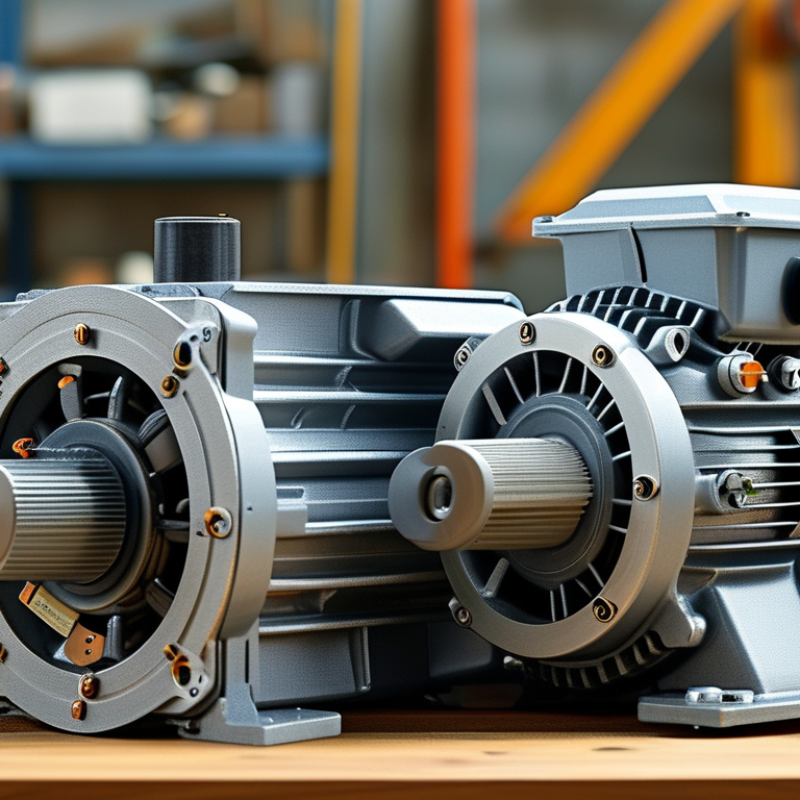
Choosing the right synchronous reluctance motor starts with the application, not the catalogue. Record the shaft load, speed range, duty cycle, starts per hour, and required acceleration. A pump running eight hours daily needs different decisions than a conveyor with frequent reversals. The International Energy Agency’s 4E Motor Systems Annex estimates that electric motor systems consume about 53% of global electricity. Small sizing errors can therefore create significant lifetime losses.
Measure the real operating environment. Note ambient temperature, altitude, humidity, dust, installation space, and cooling airflow. Check whether an inverter will control the motor. Its switching pattern can affect insulation stress, acoustic noise, and bearing currents. IEC 60034-30-1 provides efficiency classifications, but efficiency at rated load may hide weak performance at partial load. Request test data across the expected speed and torque range.
Do not oversize automatically. It feels safer, but it can reduce power factor and increase equipment cost. Compare the motor’s efficiency map with measured load data, not assumptions. The U.S. Department of Energy reports that properly managed motor systems can deliver substantial energy savings through sizing, controls, and maintenance. Still, field conditions rarely remain perfect. A dusty filter, unstable voltage, or underestimated peak torque can change the result. Leave room for review after installation.
Choosing the right synchronous reluctance motor starts with matching its ratings to the real machine, not the brochure. Check rated voltage, current, power, insulation class, and allowable temperature rise. A motor rated for continuous duty should tolerate the planned operating cycle without overheating. Intermittent machines may accept short overloads, but only when the manufacturer’s duty data supports them.
Torque needs careful attention. Compare continuous torque with peak torque at the actual shaft speed. A conveyor carrying heavy material may need high starting torque, while a pump may require smoother operation. Review the torque-speed curve, not only the nameplate value. I once underestimated acceleration torque because the load looked light when stationary. The first estimate was wrong.
Speed changes the selection considerably. A motor can deliver strong torque at low speed but lose capacity near its maximum speed. Confirm the required base speed, overspeed limit, and control range. Efficiency should be compared across the expected load profile, not at one ideal test point. Small losses become noticeable during long operating hours. Check efficiency at 50%, 75%, and 100% load when possible. Measure it under load. Also examine power factor and inverter losses, which can alter installation costs. A slightly larger motor may run cooler, but oversizing can reduce efficiency and raise purchase costs. Test data deserves more trust than assumptions.
A synchronous reluctance motor depends heavily on its drive and control system. Unlike an induction motor, it usually cannot start directly across the line. The inverter must build torque, track rotor position, and manage acceleration without losing synchronism. In plant assessments, I check the drive’s sensorless low-speed control before reviewing its rated efficiency. A smooth start matters more than a perfect catalogue number.
The International Energy Agency estimates that electric motor systems consume about 40% of global electricity. The U.S. Department of Energy’s Motor Systems Market Assessment also reports that motor-driven equipment uses roughly 69% of electricity in U.S. manufacturing. These figures make control selection a practical energy decision, not merely an engineering preference.
Check whether the drive supports the required overload rating, braking method, speed range, and power-quality limits. Harmonic distortion can create unexpected heat.
Starting performance needs a physical test. Measure load inertia, breakaway torque, ramp time, and starts per hour. A conveyor may start empty during commissioning, then struggle when fully loaded. That gap is easy to miss. Encoderless control can reduce wiring, but low-speed torque may become less predictable. Feedback devices improve accuracy, though they add installation points and failure risks. A spreadsheet may look convincing. It can still miss a sticky bearing, a long cable, or a poorly tuned ramp. Specify these conditions before approving the motor-drive package.
How to Choose the Right Synchronous Reluctance Motor
Assess the machine’s mechanical design before comparing efficiency figures. A synchronous reluctance motor depends on accurate rotor geometry and suitable drive control. Check rated torque, starting requirements, speed range, shaft dimensions, and allowable radial loads. A conveyor may need steady torque, while a pump may face frequent speed changes. Confirm the coupling, pulley, and bearing arrangement together. Small alignment errors can create noise, heat, and premature bearing wear. A specification sheet may look complete, yet omit important installation limits.
Installation conditions deserve equal attention. Measure the mounting surface and inspect its flatness before positioning the motor. Use calibrated alignment tools, not visual judgment. Keep cable routes separate from sensitive control wiring, and verify grounding carefully. The enclosure rating must match dust, moisture, and washdown exposure. Leave enough space for airflow and inspection. In real maintenance reviews, blocked cooling paths often cause trouble before the motor itself fails. That detail is easy to miss.
Tips: Record vibration, temperature, and current during commissioning. Compare readings after the first week. Check terminal tightness, coupling condition, and bearing noise during planned shutdowns. Keep the drive parameters documented, including acceleration and protection settings. Do not assume factory alignment survives transport. Recheck it. Maintenance intervals should reflect operating hours, load changes, and ambient conditions, not only the calendar. Some sites inspect too rarely; others replace parts without evidence. Trend data usually gives a clearer decision.
Compare the main evaluation areas before selecting a synchronous reluctance motor. Mechanical design focuses on rotor strength, air-gap stability, and bearing loads; installation considers alignment, cooling, and electrical compatibility; maintenance emphasizes vibration monitoring, bearing condition, and inspection access. The percentages represent a practical engineering assessment weighting and should be adjusted to match the application duty cycle and site conditions.
A synchronous reluctance motor should be judged by its complete operating life, not its purchase price. Begin with the real load profile, including starting torque, speed changes, and daily running hours. A motor running 7,500 hours yearly can make small efficiency differences financially important. Check compatibility with the inverter, because control quality affects torque stability and heating. A correctly sized motor may cost more initially, yet reduce energy loss and cooling demand.
Compare total cost over five to ten years. Include electricity, installation, maintenance, spare parts, and downtime. Ask for tested efficiency data at partial loads, not only at rated output. Inspect bearing arrangements and enclosure protection for the actual environment. Dust, moisture, and frequent cycling can change reliability quickly.
Reliability also depends on service access and maintenance records. Choose a design with clear inspection intervals and available replacement components. Review vibration limits, thermal margins, and protection settings with qualified technicians. Avoid selecting by efficiency figures alone. A very efficient motor may disappoint if its controller is poorly matched or operators cannot maintain it properly. I have seen selection studies overvalue laboratory ratings and undervalue installation conditions. That weakness deserves honest review. Budget for commissioning measurements, then compare actual current, temperature, and vibration against the expected values. Small discrepancies can reveal larger lifecycle problems.
: Record shaft load, speed range, duty cycle, starts per hour, and acceleration needs. Real data matters.
Temperature, altitude, humidity, dust, airflow, and installation space influence cooling and reliability. A dusty filter can change performance.
Switching patterns may increase insulation stress, acoustic noise, and bearing currents. Review compatibility carefully.
Not automatically. Oversizing may lower power factor, reduce efficiency, and increase equipment costs.
Use efficiency data across the expected speed and torque range. Check 50%, 75%, and 100% load when possible.
Compare continuous and peak torque at the actual shaft speed. Review the torque-speed curve, not only the nameplate.
Often, yes. Pumps may need smooth operation, while conveyors may require strong starting torque and frequent reversals.
Confirm base speed, control range, and overspeed limit. Torque can weaken near maximum speed.
A stationary load may look light but require high acceleration torque. My earlier estimate was wrong.
Consider power factor, inverter losses, cooling, maintenance, and long operating hours. One ideal test point is not enough.
Choosing the right Synchronous Reluctance Motor begins with a clear understanding of the application and operating environment. Define the required load profile, duty cycle, ambient conditions, available power supply, space limitations, and expected operating hours. Then compare motor ratings, including continuous and peak torque, speed range, overload capacity, power output, and efficiency, ensuring the selected motor can meet performance demands without unnecessary energy consumption.
Control compatibility is equally important. Evaluate the drive system, speed regulation, torque response, starting performance, and integration requirements. Mechanical factors such as mounting arrangement, shaft design, cooling, protection level, noise, vibration, installation access, and maintenance needs should also be reviewed. Finally, make the selection based on total lifecycle value rather than purchase price alone. Consider energy savings, reliability, service intervals, spare parts, downtime risks, and long-term operating costs. A well-matched motor should provide dependable performance, efficient operation, simple maintenance, and practical value throughout its service life.
