
Sunvim Motor Sunvim Motor

Why Choose a Three Phase Electric Motor for Industrial Use?

Time:2026-11-05 Author:Charlotte
0%

Industrial equipment rarely works under ideal conditions. A conveyor may run for hours beside warm machinery, while a pump starts and stops through changing production demands. In these settings, the motor affects more than motion: it can influence energy use, operating stability, maintenance schedules, and downtime. That makes motor selection a practical decision, not just a specification-sheet exercise. Not always an easy call.

A Three Phase Electric Motor is widely used in industrial systems because its design supports steady operation and suits many demanding applications. Yet the label alone does not guarantee a good fit. Engineers and buyers need to consider the load, starting requirements, supply conditions, operating hours, enclosure, and installation environment. A motor selected without those details may run inefficiently or require avoidable servicing. Real installations are messy.

This guide explains why three-phase motors are often chosen for industrial use, how their operation compares with other options, and which factors deserve careful review before purchase. It also considers efficiency, reliability, control methods, and maintenance needs in practical terms. Exact performance depends on the motor and the application, so manufacturer data and qualified technical advice matter. A small mismatch in speed or load can become a persistent problem on the factory floor. The goal is not to claim that one motor suits every machine, but to help readers ask better questions and make a choice grounded in operating conditions.
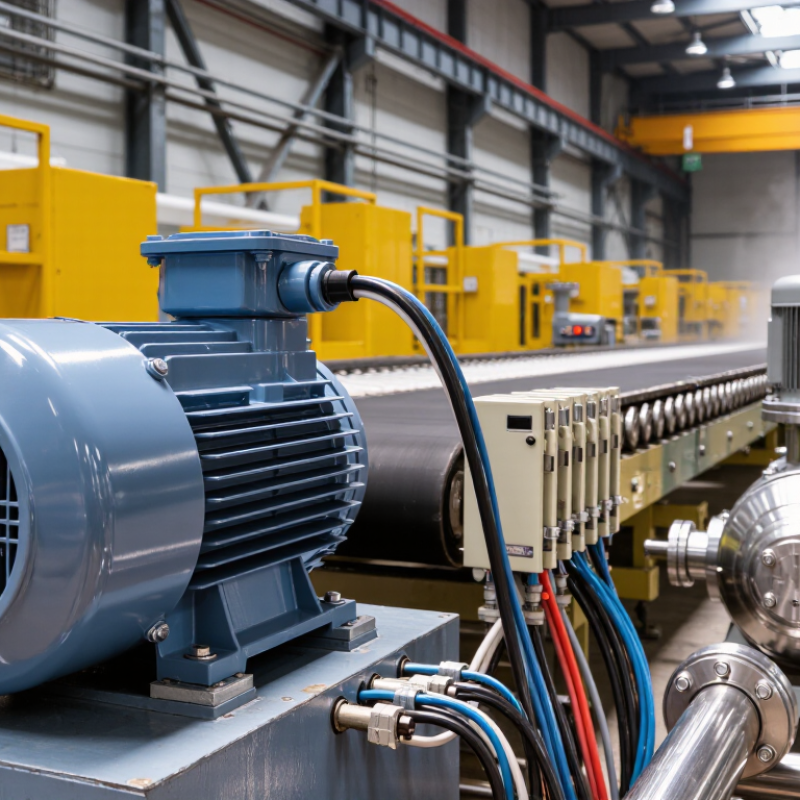
Why Choose a Three Phase Electric Motor for Industrial Use?

What Is a Three-Phase Electric Motor?

A three-phase electric motor converts alternating current into rotation. Its stator has three winding groups, supplied with currents that reach their peaks 120 electrical degrees apart. Together, they create a rotating magnetic field. In an induction motor, this field induces current in the rotor, producing torque. The rotor turns slightly slower than the field. That difference is called slip. No magic—just carefully timed electromagnetic forces.

The U.S. Department of Energy’s 2014 motor-systems sourcebook estimates that motor-driven systems use about 64% of the electricity consumed in U.S. manufacturing. That figure covers many motor types and driven loads, not three-phase motors alone. Still, it shows why motor choice and operating conditions matter. Three-phase motors are common in industrial settings because their rotating field supports steady operation and practical power delivery. Actual performance depends on the motor, load, and supply.

On a factory floor, the difference can be tangible: a pump runs with less vibration, or a conveyor starts under load without the uneven pull associated with some single-phase setups. But the motor is only part of the picture. An oversized unit can waste energy when it runs lightly loaded; that detail is easy to miss. Maintenance staff should check nameplate ratings, supply voltage, load, and operating hours before choosing a replacement. The DOE figure is broad, and it cannot predict one machine’s savings.

How Three-Phase Power Produces Continuous Rotation

Why Choose a Three Phase Electric Motor for Industrial Use?
How Three-Phase Power Produces Continuous Rotation

In a three-phase motor, three alternating currents reach their peaks at different times, spaced 120 electrical degrees apart. Each current energizes a set of stator windings. Together, these windings create a magnetic field that rotates around the motor’s interior. It does not stop between phases.

As this field sweeps past the rotor, it induces currents in the rotor conductors. Their interaction with the rotating field produces torque, turning the shaft. The cycle repeats smoothly as the supply currents change. The result is relatively even rotation, which helps drive pumps, fans, and conveyors without the pronounced torque fluctuations common in many single-phase applications. The motor still needs correct wiring and a suitable load.

That matters. A steady shaft is useful when a conveyor must move cartons at a consistent pace or a pump must maintain flow. In practice, though, “continuous” does not mean perfectly vibration-free. Load changes, poor alignment, or supply imbalance can affect performance. That detail is easy to overlook. Checking the motor’s operating conditions helps explain why a well-designed three-phase system can deliver reliable rotation over long shifts.

Key Performance Benefits in Industrial Settings

In industrial settings, a three-phase motor delivers steady torque for pumps, compressors, and conveyor belts. That smooth rotation helps reduce vibration and supports reliable operation under continuous loads.

The International Energy Agency’s 2011 report estimated that motor-driven systems consumed about 46% of global electricity. The U.S. Department of Energy’s motor-system sourcebook reports that motors account for roughly 63% of electricity use in U.S. manufacturing. Those figures make motor selection more than a maintenance detail. Small efficiency gains can matter across long shifts.

Three-phase motors also suit equipment that needs dependable starting and consistent power. On a production line, that can mean fewer speed fluctuations as a loaded conveyor starts moving. Heat matters. Correct sizing and ventilation help prevent excess temperature, while routine checks can reveal worn bearings or poor connections.

Variable-speed control may reduce energy use when demand changes, but it is not automatically the best choice for every machine. An oversized motor can waste energy at light loads. Still, efficiency ratings alone do not tell the whole story; actual performance depends on installation, load profile, and upkeep. A careful site assessment is less exciting than a quick swap, but often more useful.

Common Industrial Applications of Three-Phase Motors

Three-phase electric motors are common in industrial pumps, compressors, fans, and conveyor systems. Their steady torque helps move water through treatment lines, maintain air pressure in workshops, and carry loads across production floors. On a busy shift, that can mean fewer interruptions and smoother operation. The U.S. Department of Energy’s 2014 Industrial Electric Motor Systems Market Assessment estimated that motor-driven systems use about 68% of U.S. industrial electricity. Choosing the right motor matters.

Pumps are a major application, from cooling circuits to process-water handling. Compressors power pneumatic tools and control systems, while fans and blowers manage ventilation and drying. In factories, three-phase motors also drive mixers, crushers, lifts, and machine tools. The International Energy Agency has estimated that electric motor systems account for roughly 45% of global electricity use. That figure covers many sectors, but it shows why motor efficiency deserves attention.

Match the motor to its load. A pump that runs at varying demand may benefit from speed control, while a conveyor needs reliable starting torque. Check duty cycle, enclosure, dust, moisture, and available supply before specifying equipment. Small details matter. Oversizing can waste energy, yet undersizing may cause overheating or poor performance. Still, selection is not always tidy: real loads change, and operating records are sometimes incomplete. A site measurement can reveal what the nameplate cannot.

Factors to Consider When Selecting a Motor

Why Choose a Three Phase Electric Motor for Industrial Use?

Factors to Consider When Selecting a Motor

Choosing a motor starts with the machine it must drive. Check the required power, speed, and torque, then compare them with the motor’s rated output. A conveyor carrying uneven loads may need more starting torque than a fan running steadily. Measure the real load. Oversizing can waste energy, while undersizing may cause overheating or frequent trips.

Consider operating conditions, too. Confirm that the motor’s voltage and frequency match the site supply. If speed control is needed, check compatibility with the intended drive and follow the motor’s cooling requirements. Dust, moisture, heat, and washdown can affect enclosure selection; an appropriate ingress protection rating helps address these conditions. Small details matter, including mounting dimensions and access for routine inspection.

Duty cycle and maintenance needs deserve attention. A motor running continuously faces different thermal demands from one starting and stopping throughout a shift. Review the manufacturer’s performance data, including efficiency and starting characteristics, rather than relying on horsepower alone. In practical installations, alignment, ventilation, and wiring can affect results as much as the nameplate suggests. A tidy calculation may still miss a changing production load, so leave room to review actual operating conditions after installation.

Why Choose a Three-Phase Electric Motor for Industrial Use?

Common three-phase motor voltage ratings in North America are shown below. Match the motor’s nameplate voltage to the available supply, then consider load, speed, starting requirements, and operating conditions.

Selection note: Three-phase motors are widely used in industrial settings because they suit equipment requiring continuous power and are available in a range of voltage ratings. Actual ratings and suitability depend on the motor and electrical system.

FAQS

Why are three-phase motors used in industrial settings?

They provide steady torque for pumps, compressors, and conveyor belts. Smooth rotation can reduce vibration during long operating shifts.

How can a motor affect energy use?

Motor-driven systems use substantial electricity. Even small efficiency gains may matter across many machines and long shifts.

How should I size a motor for a machine?

Compare required power, speed, and torque with the motor’s rated output. Measure the real load; a neat estimate can still miss uneven demand.

What can happen if a motor is oversized or undersized?

An oversized motor may waste energy at light loads. An undersized one may overheat or trip often. Neither is ideal.

Which site conditions should I check before choosing a motor?

Match its voltage and frequency to the site supply. Consider dust, moisture, heat, and washdown when selecting an enclosure rating.

When might variable-speed control help?

It may reduce energy use when machine demand changes. Check drive compatibility and cooling needs; it is not best for every machine.

Why do duty cycle and starting needs matter?

A motor running continuously faces different thermal demands from one that starts and stops often. Loaded conveyors may need higher starting torque.

Which maintenance checks can support reliable operation?

Check ventilation, alignment, wiring, and bearing condition. These details matter. Review actual performance after installation, because site conditions can change.

Conclusion

A Three Phase Electric Motor converts three-phase electrical power into mechanical motion through three alternating currents that work together to create a rotating magnetic field. Because the field rotates continuously, the motor can deliver smooth, steady torque without the pronounced pulsation often associated with simpler motor designs. This operating principle makes three-phase motors well suited to demanding industrial environments where reliable, consistent performance is important.

Common benefits include strong starting capability, efficient operation, dependable running, and suitability for a wide range of power levels. These motors are used in equipment such as pumps, compressors, fans, conveyors, and machine tools. When selecting one, consider the required power and speed, load characteristics, duty cycle, supply voltage, operating conditions, installation requirements, and maintenance needs. Matching these factors to the application helps ensure the motor performs effectively and supports long-term operational reliability.

Charlotte

Charlotte

Charlotte is a seasoned marketing professional with a deep understanding of the company's portfolio and a passion for elevating its presence in the market. With a keen eye for detail and a commitment to excellence, she ensures that our professional blog is regularly updated with insightful articles......