
Sunvim Motor Sunvim Motor

Efficient Motors Tips for Global Buyers to Maximize Value

Time:2026-07-03 Author:Sienna
0%

The demand for Efficient Motors is growing rapidly across various industries. Buyers must navigate complex factors to maximize value. Efficiency not only impacts operational costs but also affects environmental sustainability.

Understanding the features and specifications of Efficient Motors is crucial. Buyers should consider the energy consumption, durability, and maintenance requirements. Each decision can influence long-term performance and cost-effectiveness.

Yet, many buyers overlook essential details. They often chase the lowest price rather than optimal efficiency. This approach can lead to higher expenses in the long run. Reflecting on these choices can reveal gaps in knowledge and strategy. Prioritizing efficiency over initial cost is vital for future success.
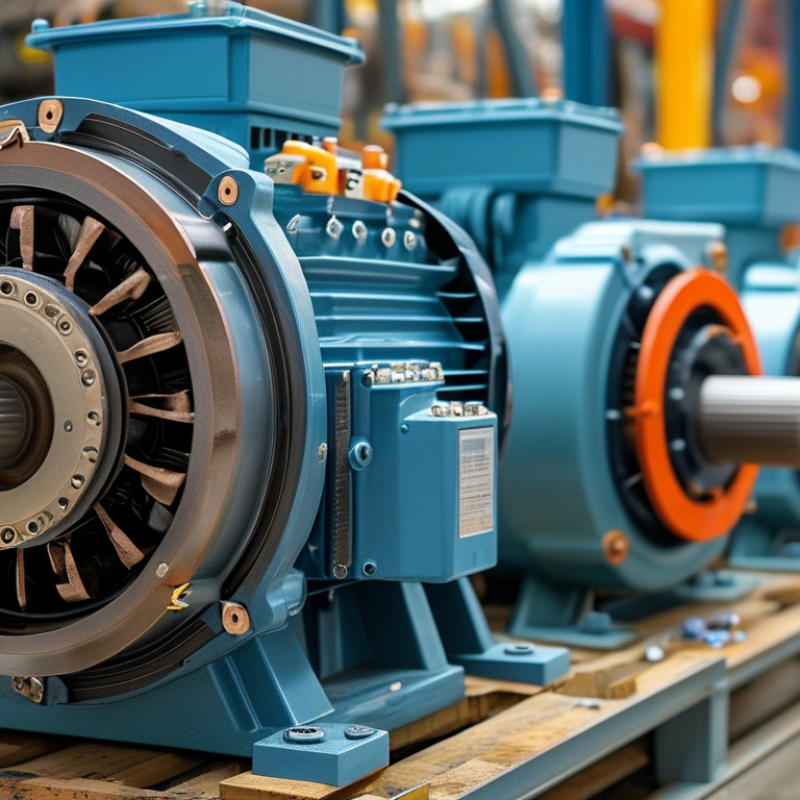
Efficient Motors Tips for Global Buyers to Maximize Value

Understanding the Importance of Efficient Motors for Global Buyers

When considering efficient motors, global buyers must grasp their significance in modern industries. Efficient motors reduce energy consumption and operating costs. They enhance performance and increase overall productivity. Choosing the right motor can seem overwhelming; however, understanding its impact is essential.

Efficiency translates to savings. Motors that consume less energy generate lower utility bills. For factories running multiple machines, these savings compound rapidly. Buyers should look for efficiency ratings and performance metrics. A small increase in efficiency can lead to significant savings over time. Also, regular maintenance is crucial for maintaining efficiency. Neglect can lead to performance drops, requiring buyers to reassess their choices.

Understanding different applications is vital. Not all motors fit every purpose. Factors such as load type and operational environment must be considered. Buyers often overlook these aspects, resulting in mismatches. A deep dive into the specific needs of their operations can prevent costly mistakes. Training and consultation with experts can aid in this complex decision-making process. It’s essential to stay informed about technological advancements and evolving standards.

Key Features to Consider When Selecting Efficient Motors

When selecting efficient motors, buyers should focus on several key features. Energy efficiency stands out as the most critical factor. Motors with higher efficiency ratings can significantly reduce energy consumption. This impacts long-term costs and sustainability, crucial for many businesses today. Efficiency can be gauged through metrics like the International Electrotechnical Commission (IEC) ratings.


Another vital aspect to consider is the motor’s power factor. A motor with a high power factor improves energy usage and reduces losses. Also, consider the type of motor—AC or DC. Each has its own advantages, depending on specific applications. Furthermore, durability plays a role. A long-lasting motor can save on replacement costs, but it’s also essential to evaluate maintenance needs.


Lastly, understand the acoustic profile of the motor. Noise levels can affect workplace environments and productivity. Some motors may offer quieter operations but at the cost of efficiency. Balancing these factors can be challenging. Buyers often make compromises based on immediate needs versus long-term benefits.


Analyzing each feature thoroughly can lead to better-informed decisions and overall value.

Comparing Different Types of Efficient Motors and Their Applications

When it comes to efficient motors, several types cater to different applications. AC and DC motors are common in various industries. AC motors typically excel in industrial settings. They are reliable and can handle heavy loads. DC motors offer flexibility in speed control, making them suitable for automotive applications.

Brushed motors are another option, often providing high torque at low speeds. They might require regular maintenance, as brush wear is an issue. Brushless motors, on the other hand, are more efficient. They reduce energy loss and offer longer lifespans. These characteristics make them ideal for drones and electric vehicles.

Choosing the right motor requires careful evaluation. Different motors serve unique purpose. An efficient motor can lower operational costs and improve overall system efficiency. However, making a hasty decision could lead to inefficiencies or higher costs down the line. Understanding each motor's specific advantages and drawbacks is crucial for maximizing investment value.

Efficient Motors Comparison

This chart compares the efficiency of different types of motors commonly used in various applications. As global buyers look for the best value in efficient motors, understanding these differences can be key to making informed decisions.

Cost-Benefit Analysis: Long-Term Savings with Efficient Motors

Investing in efficient motors can yield significant long-term savings. Many buyers overlook the initial costs. However, when analyzing total costs over time, the benefits become clear. Efficient motors consume less energy, which directly impacts electricity bills. Over several years, these savings can offset the initial investment.

It’s important to consider maintenance costs, too. While efficient motors often last longer, they may require specialized maintenance. This can lead to higher upfront expenses. Yet, the extended lifespan generally results in fewer replacements. This aspect is crucial in a cost-benefit analysis.

Evaluating energy efficiency is not always straightforward. Buyers should scrutinize data and ask questions. Some motors may have high efficiency ratings but underperform in specific applications. Conducting thorough research and calculations will reveal the true value of an efficient motor. Engaging with experts can also provide insights based on experience.

Best Practices for Sourcing and Purchasing Efficient Motors Globally

When sourcing efficient motors globally, understanding local markets is crucial. Different regions have varying energy standards and regulatory requirements. This means that a motor efficient in one area might not meet standards elsewhere. Each market has unique demands, so local insights can guide better purchasing decisions.

Establishing relationships with trusted suppliers can enhance sourcing efforts. Trusted suppliers often provide transparency about product specifications and performance metrics. This transparency helps in assessing the true efficiency of the motors. Verifying supplier credentials can save time and reduce risks related to product quality.

Price is only one factor in this process. It’s essential to consider the total cost of ownership, including maintenance and energy consumption over time. Some buyers focus too heavily on upfront costs, overlooking long-term savings. Investing in efficient motors can lead to significant energy savings in the future, which is often neglected in initial budgeting. Careful analysis and foresight can lead to better value overall.

Efficient Motors Tips for Global Buyers to Maximize Value

Criteria Description Best Practices Considerations
Energy Efficiency Assess the motor's efficiency rating. Look for IE3 or IE4 rated motors. Check local regulations on motor efficiency.
Sizing Ensure the right size for load requirements. Use online calculators for accurate sizing. Avoid oversized motors for energy savings.
Supplier Selection Research and evaluate motor manufacturers. Choose suppliers with a solid reputation. Assess supplier support and warranty terms.
Delivery Time Estimate the lead time for motor delivery. Plan orders well in advance. Inquire about expedited shipping options.
Cost Assess total cost of ownership. Include energy consumption in cost analysis. Look for government incentives for energy efficiency.

FAQS

: Why are efficient motors important for industrial buyers?

: Efficient motors reduce energy consumption and operating costs, enhancing overall performance and productivity.

How can energy efficiency affect long-term costs?

Higher energy efficiency leads to lower utility bills. This results in significant savings over time, especially for factories.

What should buyers consider when selecting a motor?

Look for efficiency ratings, power factor, type of motor, and durability. Each feature impacts performance and costs.

Why is regular maintenance important for motors?

Neglecting maintenance can cause performance drops. Regular checks help maintain efficiency and prevent costly replacements.

How can different motor types suit various applications?

AC motors excel in industrial settings while DC motors offer speed control. Choose based on specific operational needs.

What are the trade-offs when selecting a motor?

Quieter motors may sacrifice efficiency. Buyers must balance immediate needs with long-term benefits for better decisions.

Why is it crucial to understand motor applications?

Not all motors fit every purpose. Mismatches can lead to inefficiencies and unnecessary costs.

How can training with experts aid buyers?

Consultation helps in making informed choices. It can clarify the impact of technological advancements on motor selection.

What are the downsides of brushed motors?

While providing high torque, they require regular maintenance due to brush wear, leading to potential inefficiencies.

How can buyers avoid costly mistakes?

Deeply analyze specific operational needs. A rushed decision can lead to higher operational costs or decreased efficiency.

Conclusion

Efficient motors play a crucial role for global buyers seeking to maximize value in their operations. Understanding the importance of these motors involves considering key features such as energy efficiency ratings, durability, and compatibility with existing systems. Buyers should compare different types of efficient motors based on their specific applications to ensure optimal performance and cost-effectiveness.

A thorough cost-benefit analysis reveals that investing in efficient motors can lead to significant long-term savings through reduced energy consumption and maintenance costs. To successfully source and purchase efficient motors globally, it's essential to adopt best practices, including rigorous supplier assessments and leveraging international market trends. By focusing on these elements, buyers can secure the most value and enhance operational efficiency with their motor investments.

Sienna

Sienna

Sienna is a skilled marketing professional with a deep expertise in our company’s core products and services. With a passion for innovation and detail, she plays a pivotal role in crafting insightful blog posts that not only highlight the unique features of our offerings but also provide valuable......