
Sunvim Motor Sunvim Motor

What is a Low Voltage Motor and How Does it Work?

Time:2026-06-07 Author:Charlotte
0%

Low Voltage Motors (LVMs) play a crucial role in modern industrial applications. According to a report from the International Electrotechnical Commission, the global LVM market is projected to reach $20 billion by 2026. These motors, operating at voltages up to 1000 volts, are energy-efficient and versatile. They power diverse machinery, from conveyors to pumps, making them vital in manufacturing and automation.

Industry expert Dr. Jane Smith emphasizes the significance of LVMs: "The efficiency of low voltage motors directly impacts operational costs in factories." Her insights highlight the necessity for businesses to adopt LVM technology. However, the transition is not without challenges. Many companies struggle to integrate LVMs effectively into their existing systems, and the need for skilled technicians persists.

As the market evolves, understanding the mechanics behind Low Voltage Motors becomes essential. Organizations must stay informed and adapt to emerging technologies and practices. The journey toward optimizing LVM usage is ongoing and filled with learning opportunities. Understanding these challenges is key to harnessing the full potential of Low Voltage Motors in a rapidly changing industrial landscape.
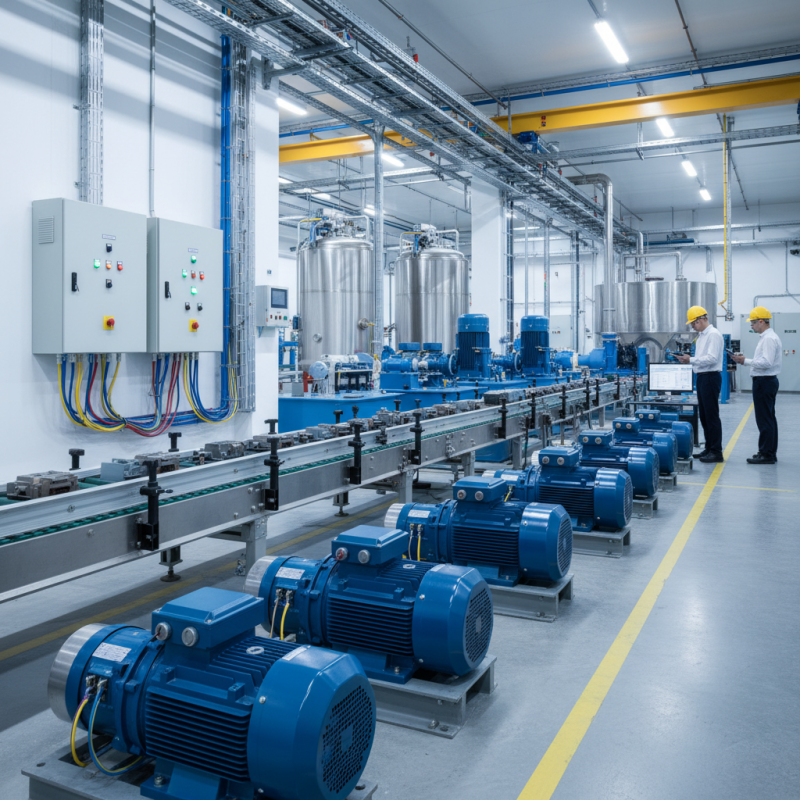
What is a Low Voltage Motor and How Does it Work?

Definition and Characteristics of Low Voltage Motors

Low voltage motors are essential in various applications. Defined as motors operating under 1,000 volts, they are commonly used in manufacturing and HVAC systems. These motors convert electrical energy into mechanical energy, powering tools, fans, and conveyor systems. Their design enables efficiency and safety in low-voltage environments.

Characteristics of low voltage motors include compact size and lightweight construction. This makes them suitable for space-constrained installations. Many models are designed for easy maintenance, which can reduce downtime. However, low voltage does not always mean low power. These motors come in various sizes, delivering significant torque even at reduced voltage levels.

One factor to consider is their efficiency ratings. While many are energy-efficient, some models may not achieve expected performance. Users often overlook the importance of matching motor specifications with their application. This can lead to underperformance or premature failure. A better understanding of these motors ensures optimal operation and longevity.

Types of Low Voltage Motors and Their Applications

Low voltage motors are essential in various applications. Common types include induction motors and permanent magnet motors. Induction motors dominate the market, accounting for nearly 65% of all low voltage motor sales, according to the International Electrotechnical Commission (IEC). These motors are widely used in HVAC systems, conveyors, and pumps due to their durability and efficiency.

Permanent magnet motors offer high efficiency but have specific applications. They are preferred in electric vehicles and robotics. The global low voltage motor market is projected to grow significantly, reaching USD 18 billion by 2025, driven by rising demand in automation and renewable energy sectors. However, the complexity of integrating these motors with modern control systems poses challenges. Users must consider compatibility and performance factors while selecting the right motor type.

Another emerging motor type is the brushless DC motor. This type is gaining traction in precision applications. With higher efficiency and less maintenance, they are suitable for consumer electronics and medical devices. Yet, the cost may be a hurdle for some industries. The need for a strategic approach in motor selection is evident. As technology advances, keeping up with trends and innovations remains crucial.

Principles of Operation for Low Voltage Motors

Low voltage motors are widely used in various applications, driving equipment in industries such as manufacturing, HVAC, and automotive. These motors typically operate under 1,000 volts. Their design and functionality adhere to specific principles of operation, driven primarily by electromagnetic forces.

The principle of operation is relatively straightforward. When electricity flows through the motor's winding, it generates a magnetic field. This field interacts with the rotor, causing it to rotate. The efficiency of this process is critical. Studies indicate that low voltage motors can achieve efficiencies exceeding 90%. This high efficiency reduces energy consumption, lowering operational costs for businesses that rely on such motors.

Tips: Regular maintenance can enhance performance. Periodic inspections can identify wear and tear before they become serious issues. Applying the right lubricants can also prolong motor life.

Another aspect to consider is the starting method. Low voltage motors may use direct-on-line starting, star-delta starting, or soft starters. Each method has its benefits. Direct-on-line is simple but can lead to high inrush current. Star-delta reduces starting current but may complicate wiring. Understanding these options is essential for optimizing motor setup.

Key Components of Low Voltage Motors Explained

Low voltage motors are essential in various applications, from household appliances to industrial machinery. Understanding key components of these motors can enhance their efficiency and lifespan.

The stator is a crucial part of a low voltage motor. It creates a magnetic field when electricity flows through it. This magnetic field interacts with the rotor, which is another vital component. The rotor, attached to the motor shaft, turns as a result of this interaction, thus generating mechanical power. Effective cooling systems also aid in maintaining motor performance by dissipating heat generated during operation.

Tips: Regular maintenance can prolong motor life. Check connections and ensure they are tight to prevent overheating. Also, consider the environment where the motor operates, as dust and moisture can affect performance.

Another key element is the insulation system. High-quality insulation protects against electrical failure. It prevents shorts that could lead to significant operational issues. The bearing system also plays a role. Bearings support the rotor’s movement, reducing friction. Choosing the right bearing can impact efficiency and reduce wear.

Tips: Use the right lubricant to ensure smooth movement. Avoid using excess grease, as this can lead to overheating. Monitoring these components can help in identifying potential issues before they escalate.

Advantages and Limitations of Using Low Voltage Motors

Low voltage motors (LVMs) are crucial in various applications, especially in manufacturing and automation. Their primary advantage lies in energy efficiency. According to a 2020 report by the International Energy Agency, LVMs can reduce energy consumption by up to 30% compared to standard motors. This efficiency results from their ability to draw lower currents while delivering high performance.

However, there are limitations. Low voltage motors often have a lower power output than their high-voltage counterparts. They may not be suitable for heavy-duty industrial applications that require high torque. Additionally, LVMs are typically designed for specific voltage ratings, which can limit their versatility. Users need to ensure they select the right motor for their application to avoid performance issues.

Tips: Regular maintenance is key. Schedule inspections to ensure your motor operates efficiently. Always consider the specific requirements of your application. An informed choice leads to better performance and longevity. Understanding these nuances can aid in making the right decision when selecting low voltage motors.

FAQS

: What are the main types of low voltage motors?

: The main types of low voltage motors are induction motors and permanent magnet motors.

Where are induction motors commonly used?

Induction motors are widely used in HVAC systems, conveyors, and pumps due to their durability and efficiency.

What advantages do permanent magnet motors offer?

Permanent magnet motors provide high efficiency and are preferred in electric vehicles and robotics.

What challenges do users face when integrating low voltage motors?

Users may encounter compatibility and performance issues when integrating motors with modern control systems.

How can regular maintenance affect the lifespan of low voltage motors?

Regular maintenance, such as checking connections, can prolong motor life and prevent overheating.

What role does the stator play in low voltage motors?

The stator creates a magnetic field that interacts with the rotor to generate mechanical power.

What is an emerging type of low voltage motor?

Brushless DC motors are emerging, gaining traction in precision applications due to their efficiency.

What is a common limitation of low voltage motors?

Low voltage motors often have lower power outputs than high-voltage motors, limiting their use in heavy-duty applications.

Why is the insulation system important in low voltage motors?

The insulation system protects against electrical failure and prevents shorts that can cause operational issues.

How can users ensure optimal performance from bearings in motors?

Choosing the right lubricant and avoiding excess grease can help maintain smooth movement and prevent overheating.

Conclusion

Low Voltage Motors are electric motors designed to operate at a voltage level typically below 1000 volts. They are characterized by their compact size, efficiency, and variety of designs catering to different applications, such as pumps, fans, and conveyors. The primary types of low voltage motors include induction motors, synchronous motors, and brushless DC motors, each serving distinct industrial and commercial needs.

The operation of a Low Voltage Motor relies on electromagnetic principles, where electrical energy is converted into mechanical energy. Key components include the stator, rotor, and windings, which play crucial roles in generating torque and providing rotational motion. While these motors offer advantages like ease of use and lower installation costs, they also have limitations, such as a reduced power handling capacity compared to medium and high voltage motors. Overall, Low Voltage Motors are essential for various applications, delivering reliable performance in numerous settings.

Charlotte

Charlotte

Charlotte is a seasoned marketing professional with a deep understanding of the company's portfolio and a passion for elevating its presence in the market. With a keen eye for detail and a commitment to excellence, she ensures that our professional blog is regularly updated with insightful articles......