
Sunvim Motor
In the world of industrial machinery, low voltage motors play a crucial role. As industries evolve, the demand for reliable and efficient low voltage motors has surged globally. Renowned expert Dr. Alice Chen, a leading authority in motor technology, notes, "The efficiency of low voltage motors can significantly impact overall energy consumption in manufacturing processes."
China has emerged as a powerhouse in manufacturing these motors. Many global buyers seek high-quality, cost-effective solutions that can enhance their operations. However, not all products meet the same standards. It is essential to discern between reliable manufacturers and those that may compromise on quality.
While many Chinese brands offer competitive pricing, potential buyers should pay attention to certifications and industry standards. The landscape can be confusing due to the sheer number of options available. Companies must conduct thorough research before making a selection. A knowledgeable choice in low voltage motors can lead to substantial long-term benefits, helping businesses achieve their operational goals.
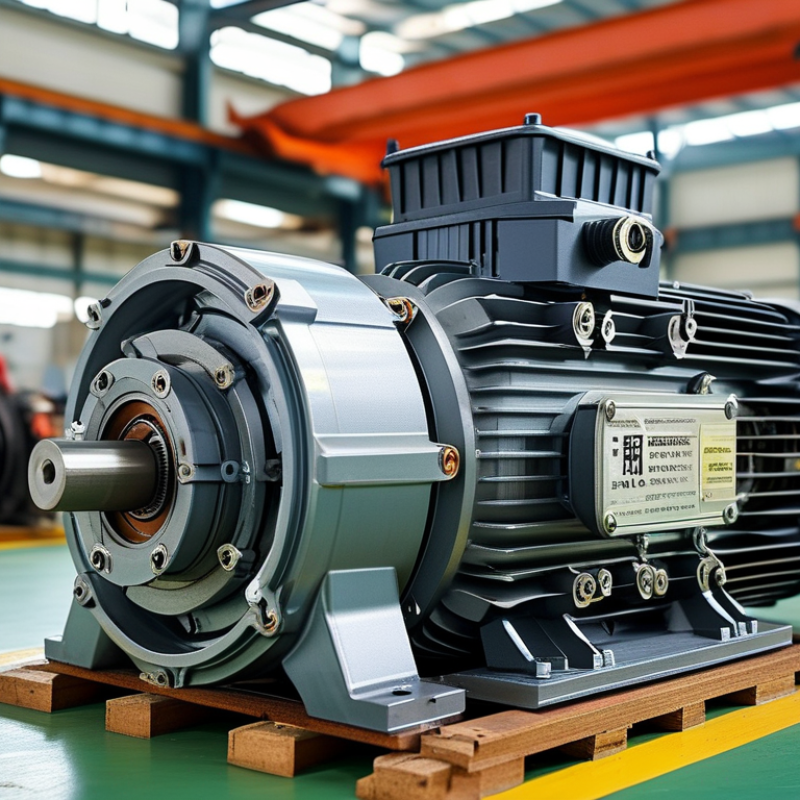
Low voltage motors are essential in various industrial applications. In China, the market for low voltage motors has shown significant growth. According to industry reports, the market was valued at over $8 billion in 2022, with an expected compound annual growth rate (CAGR) of 6.5% through 2027. This increase reflects a rising demand for energy-efficient solutions.
China has established itself as a critical player in the low voltage motor sector. The country hosts numerous manufacturers who excel in producing high-quality motors. Many of these factories have adopted advanced technology to enhance performance. However, challenges remain, such as quality control and compliance with international standards. Reports indicate that approximately 30% of products fail to meet necessary certifications, which can be a significant concern for global buyers.
Diversity in applications drives innovation within this industry. Motors serve sectors like HVAC systems, water treatment, and material handling. A growing emphasis on renewable energy sources is pushing manufacturers to improve efficiency. Nevertheless, the industry must continue addressing inconsistencies in product quality. This ongoing struggle for balance can affect trust among international buyers seeking reliable partners.
In recent years, low voltage motors have gained significant traction worldwide. Many manufacturers in China excel in producing these essential components. These motors are widely used in various industries, including HVAC, manufacturing, and mining. Their reliability and efficiency make them ideal for diverse applications.
When choosing low voltage motors, it’s crucial to consider quality and performance. Many manufacturers offer varying specifications. Buyers should ensure they understand the voltage ratings and torque requirements specific to their needs. Consumers must vet suppliers carefully. Reading reviews and verifying certifications can enhance trust in a manufacturer's reputation.
Tips: Always check for warranty options. Reliable manufacturers often provide support long after your purchase. Stay informed about the latest technologies in low voltage motors. Innovations can lead to better energy efficiency and performance. Engage with industry experts to gain insights on the best options available.
| Motor Type | Power Rating (kW) | Efficiency Class | Voltage (V) | Applications |
|---|---|---|---|---|
| Induction Motor | 5 | IE3 | 400 | Pumps, Fans |
| Synchronous Motor | 10 | IE4 | 400 | Industrial Drives |
| Gear Motor | 1.5 | IE2 | 230 | Conveyors, Mixers |
| Permanent Magnet Motor | 7.5 | IE5 | 400 | Crane, Hoists |
| High Voltage AC Motor | 15 | IE3 | 690 | Compressors, Generators |
When selecting low voltage motors, understanding technical specifications is crucial. Different applications require varied motor types and specifications. Motors typically operate within a voltage range of 100V to 1000V. Efficiency, power output, and torque are key parameters to consider.
The efficiency class of a motor greatly impacts energy consumption and operating costs. Most manufacturers adhere to international standards, such as IEC 60034. These standards ensure the motors are reliable and safe for use. Buyers should look for certifications indicating compliance for added assurance.
Tip: Always check for the motor's efficiency rating. Higher ratings often lead to long-term savings.
Variable speed drives can enhance the functionality of low voltage motors. They help in precise speed control and reduce energy use. Ensure compatibility between motors and drives to avoid performance issues.
Tip: Consider the operational environment. Environmental factors can influence motor performance and lifespan. Selecting the right motor for your specific conditions is essential.
This bar chart displays the technical specifications and performance ratings of various low voltage motors available in the market, highlighting their power output and efficiency ratings.
The global market for low voltage motors is experiencing significant growth. Various industries are increasing their demand for energy-efficient solutions. Manufacturing, HVAC, and pumping systems are leading this trend. Increased automation drives the need for precise and reliable motors.
China stands out as a major supplier of low voltage motors. Many global companies look to Chinese manufacturers for quality at competitive prices. However, buyers face challenges assessing quality and reliability. Not all suppliers meet international standards. It's crucial for buyers to conduct thorough due diligence.
Market trends suggest a shift towards smart technology integration. More motors are equipped with IoT capabilities, enhancing operational efficiency. This development pushes manufacturers to innovate continually. Sustainability remains a critical factor. As regulations tighten, energy efficiency becomes non-negotiable. Buyers must adapt to these changes, balancing cost with quality in their sourcing strategy.
When exploring low voltage motors from China, international buyers should prioritize specific factors. It's crucial to assess the quality of materials used in manufacturing. Reliable suppliers often utilize high-grade materials that enhance motor durability and efficiency. Look for certifications that indicate compliance with international standards. This approach ensures that the product meets global requirements.
Buyers must also consider the manufacturer's reputation. Conducting thorough research and reading reviews can help identify trustworthy suppliers. A solid track record usually reflects reliability and professionalism. Engaging directly with manufacturers can clarify their production processes and quality control measures. Open communication can reveal their capability to meet your specific needs.
Price is another important consideration. While lower prices can be appealing, they may come with trade-offs. It’s essential to balance cost with quality and service. Reflect on the long-term implications of choosing cheaper options. Ensuring a good warranty and after-sales service can save money in the future. Stay aware of any potential risks in the supply chain, as these can impact your operations significantly.
: Low voltage motors serve various applications, including HVAC systems, water treatment, and material handling.
The market was valued at over $8 billion in 2022, with a CAGR of 6.5% projected through 2027.
Not all suppliers meet international standards, making it difficult to assess quality and reliability.
Buyers should look for high-grade materials and certifications that indicate compliance with international standards.
A solid track record indicates reliability, which is crucial for ensuring quality and professionalism in production.
Lower prices may lead to lower quality. It's important to balance cost with quality and service.
There’s a trend towards integrating smart technology and IoT capabilities to enhance operational efficiency.
As regulations tighten, manufacturers must focus on energy efficiency, making it a critical factor for buyers.
Cheaper options may involve trade-offs in quality. Consider long-term implications on performance and maintenance.
Open communication can clarify production processes and reveal suppliers' capability to meet specific needs.
The article "Top Low Voltage Motors from China for Global Buyers" provides a comprehensive overview of the low voltage motor market in China, highlighting its significance in the global supply chain. It discusses the key manufacturers and brands involved in producing low voltage motors, examining their offerings and the technological advancements that set them apart. Additionally, the article outlines the technical specifications and standards that govern these motors, ensuring quality and reliability for international customers.
Furthermore, the piece explores current market trends and the growing demand for low voltage motors worldwide, driven by industrialization and renewable energy initiatives. A buying guide is included to assist international buyers in navigating the purchasing process, emphasizing factors such as compliance with international standards and selecting the right specifications for their needs. Overall, this article serves as a valuable resource for understanding the dynamics of low voltage motors from China.
