
Sunvim Motor Sunvim Motor

Three Phase Asynchronous Motor Buying Tips You Should Know?

Time:2026-08-03 Author:Oliver
0%

When choosing a Three Phase Asynchronous Motor, several factors are crucial. In 2023, the global market for electric motors is projected to reach USD 200 billion, reflecting increasing demand across various sectors. The Three Phase Asynchronous Motor, a popular type of electric motor, plays a vital role in industrial applications, providing efficiency and reliability.

Understanding the different specifications of these motors is essential. Data indicates that around 70% of industrial energy consumption comes from electric motors. This shows the importance of selecting the right motor for your needs. Factors such as efficiency ratings, power, and operational environment should not be overlooked. Many buyers make mistakes by focusing solely on price rather than long-term performance and energy savings.

While purchasing, consider the specific requirements of your application. Not all Three Phase Asynchronous Motors are created equal. Vendor support and warranty terms can significantly impact your overall experience. Thus, it is wise to invest time in research. Evaluate industry reports and expert opinions. The right choice can lead to increased productivity and lower operational costs, ultimately benefiting your bottom line.
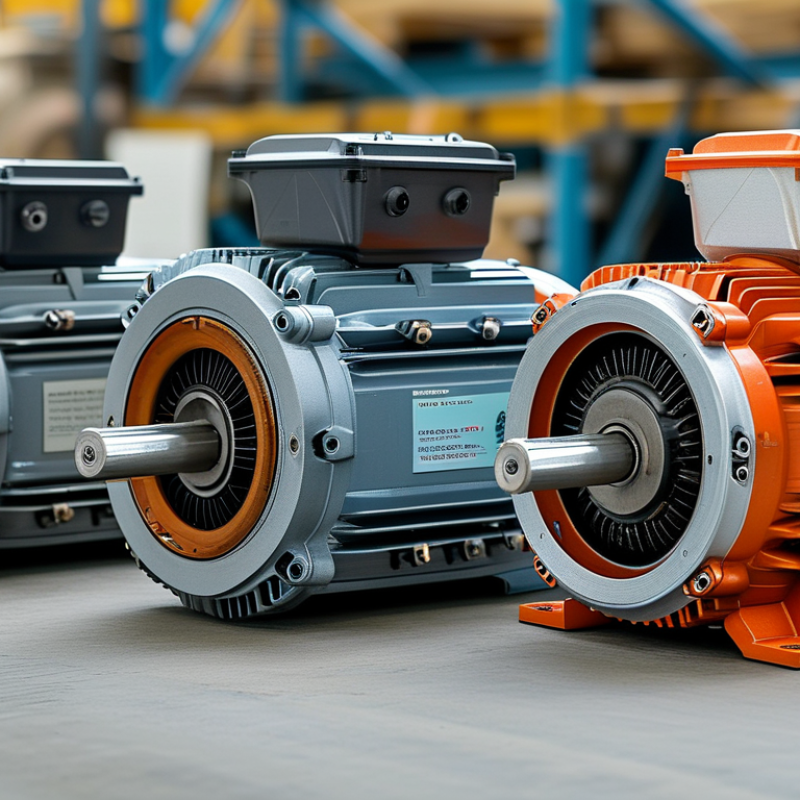
Three Phase Asynchronous Motor Buying Tips You Should Know?

Understanding the Basics of Three Phase Asynchronous Motors

Three-phase asynchronous motors are pivotal in various industrial applications. Understanding their operation can enhance your purchasing decisions. These motors operate using three alternating currents. They induce a rotating magnetic field in the stator. This field interacts with the rotor, creating motion. Efficiency and reliability make these motors a preferred choice.

When exploring these motors, consider their construction. Asynchronous motors do not require an external power source for the rotor. Instead, they generate power through electromagnetic induction. Look for details like rated power and speed. The right specifications can significantly impact performance. A mismatch may lead to inefficiency or failure.

It’s also crucial to evaluate the installation requirements. These motors need adequate space for cooling and maintenance. Noise levels can vary, so consider the operating environment. Sometimes, a simple motor may be more efficient than a complex design. Reflect on these details when making your choice.

Three Phase Asynchronous Motor Buying Tips You Should Know

Feature Description Considerations
Power Rating The total output power of the motor, typically measured in kW. Ensure the power rating matches your application's requirements.
Voltage Rating The voltage level at which the motor operates efficiently. Check if it aligns with your power supply specifications.
Efficiency The effectiveness of converting electrical energy into mechanical energy. Look for high-efficiency models to save energy and costs.
Speed The operational speed of the motor, usually in RPM. Ensure the speed meets your process requirements.
Enclosure Type The protective casing of the motor against environmental elements. Select an enclosure suitable for your operating environment.
Torque The rotational force the motor can produce. Make sure it can handle the load requirements of your application.
Cooling Method The system used to dissipate heat from the motor. Consider if additional cooling is needed based on your usage.
Start Type How the motor initiates its operation, such as Direct-On-Line or Soft Starter. Choose a starting method that fits your electrical system.

Key Features to Consider When Buying a Three Phase Asynchronous Motor

When purchasing a three-phase asynchronous motor, several key features must be considered. The motor's power rating is essential. Ensure it meets the specific requirements of your application. An undersized motor may overheat and fail. Conversely, an oversized motor can lead to inefficient operation.

Efficiency ratings come next. Look for motors with higher efficiency ratings. They save energy and reduce operational costs. You want to balance performance and energy use. Different applications may require varying torque and speed characteristics. Selecting the right model is critical.

Another important tip is to assess the construction and material quality. Motors made of durable materials tend to last longer. They also resist wear and tear better than cheaper alternatives. Inspect the manufacturer's warranty. A good warranty reflects the manufacturer's confidence in their product.

Understanding the installation requirements is equally vital. Some motors may necessitate additional components or specific configurations. Plan for this in your budget and installation timeline. This ensures smooth operation and reduces unexpected challenges. Always keep in mind that your specific needs dictate the right choices.

Three Phase Asynchronous Motor Key Features Comparison

Assessing Motor Size and Power Rating for Your Needs

When assessing the power rating of a three-phase asynchronous motor, it's crucial to match the motor's size to your specific needs. This can prevent inefficiencies and potential damage. For instance, a motor that is too small for the task may overheat. Industry reports indicate that motors often operate at around 85-90% of their rated capacity for optimal performance. This figure can guide your selection process.

Understanding the load requirements is essential. Motors usually run best under specific conditions related to torque and speed. The National Electrical Manufacturers Association (NEMA) suggests that you categorize your application, either continuous or intermittent, to choose the appropriate horsepower rating. Choosing a motor with the right specifications can save energy costs that constitute an astonishing 70% of your total operational expenses.

While most buyers focus on the horsepower and voltage ratings, factors like ambient conditions and duty cycle are equally important. For example, a motor exposed to harsh environments may require a higher IP rating for protection. Often, buyers overlook these details, which can lead to poor performance and reliability issues. Accurate attention to these aspects ensures a successful motor integration into your operations.

Evaluating Efficiency Ratings and Energy Consumption

When considering a three-phase asynchronous motor, energy efficiency is paramount. Different motors have varying efficiency ratings, which significantly impact long-term operational costs. According to the U.S. Department of Energy, high-efficiency motors can save 3% to 8% more energy than standard motors. These savings accumulate over time, leading to substantial financial benefits.

Evaluating the efficiency ratings is crucial. Look for motors rated by the National Electrical Manufacturers Association (NEMA). NEMA standards provide reliable benchmarks. For instance, NEMA Premium-rated motors are recognized for their superior energy performance. However, relying solely on these ratings can be misleading. Not all environments allow these motors to operate efficiently.

Energy consumption doesn't end at the purchase point. Installation and maintenance practices greatly influence overall efficiency. Inadequate installation may lead to performance issues, negating any potential energy savings. Regular maintenance is essential for keeping motors running at peak efficiency. Ignoring this can result in higher energy costs and reduced motor lifespan. A comprehensive approach is necessary for making informed decisions.

Tips for Selecting the Right Motor Manufacturer and Supplier

When selecting a motor manufacturer and supplier, experience matters. A supplier with over a decade in the industry often understands market needs better. Reports indicate that 70% of installations fail due to improper sourcing. Each step in the selection process is crucial. Do not rush to choose a manufacturer based solely on price.

Technical support is vital. A reputable supplier provides ongoing assistance. Research shows that companies citing strong technical support have a 50% higher satisfaction rate. Evaluating warranty policies is equally important. Understand what is covered and the duration. A clear warranty can save costs in the long run.

Quality certification should not be overlooked. Look for ISO certification or other relevant standards. These qualifications indicate adherence to quality control. Trustworthy suppliers often share their certification openly. Engage with multiple suppliers to compare offerings. Ask for references from past clients. This practice can reveal insights into reliability and service quality, helping in making a well-informed decision.

FAQS

: What are three-phase asynchronous motors used for?

: These motors are used in various industrial applications, providing efficient and reliable motion.

How do three-phase asynchronous motors generate power?

They generate power through electromagnetic induction without needing an external power source for the rotor.

Why is motor size important?

A mismatched motor size can cause inefficiencies or even failure, so it's crucial to assess your specific needs.

What factors impact motor efficiency?

The motor’s power rating, speed characteristics, and construction quality all play significant roles in efficiency.

How can installation requirements affect motor performance?

Adequate space for cooling and maintenance is essential, as improper installation may lead to operational challenges.

What should I consider regarding motor durability?

Motors made from robust materials typically last longer and resist wear better than cheaper alternatives.

What is the significance of a motor's efficiency rating?

Higher efficiency ratings save energy and reduce operational costs, balancing performance with energy use.

How do ambient conditions influence motor selection?

Harsh environments may require motors with higher protection ratings, which many buyers often overlook.

What is the recommended operating capacity for motors?

Motors typically operate best at 85-90% of their rated capacity for optimal performance and longevity.

Why should I evaluate torque and speed characteristics?

Varying applications require specific torque and speed; selecting appropriately is critical for operational success.

Conclusion

When considering the purchase of a Three Phase Asynchronous Motor, it's essential to understand its basic functions and applications. These motors are widely used in various industrial settings due to their efficiency and reliability. Key features to look for include the motor's size, power rating, and efficiency levels. It's crucial to assess your specific needs to choose a motor that can handle the required load and operational demands.

Additionally, evaluating energy consumption can lead to significant cost savings over time. Selecting the right motor manufacturer and supplier is also vital to ensure quality and support. By focusing on these aspects, you can make an informed decision that aligns with your operational requirements and efficiency goals.

Oliver

Oliver

Oliver is a seasoned marketing professional with a wealth of expertise in driving brand awareness and engagement. With a deep understanding of our company's product offerings, he consistently delivers high-quality content that enriches our professional blog. His insights not only shed light on......