
Sunvim Motor Sunvim Motor

Top 10 Tips for Choosing AC Electric Motors for Global Buyers?

Time:2026-07-04 Author:Sophia
0%

Choosing the right AC electric motor can be a complex task for global buyers. The demand for efficient and reliable motors continues to grow. According to the International Energy Agency, electric motors consume about 45% of global electricity. This indicates their significant impact on energy consumption and operational costs.

Experts emphasize the importance of selecting the right AC electric motor for specific applications. John Smith, a renowned specialist at the Electric Motor Association, once stated, "The right motor choice can lead to a 20% increase in energy efficiency." This highlights the critical nature of informed decision-making in the industry.

It's essential for buyers to consider factors like power requirements, efficiency ratings, and environmental conditions. Each application may have unique needs and challenges. Mistakes in selection could lead to performance issues and increased costs. Thus, understanding the nuances of AC electric motors is not only beneficial but necessary for successful purchasing decisions.
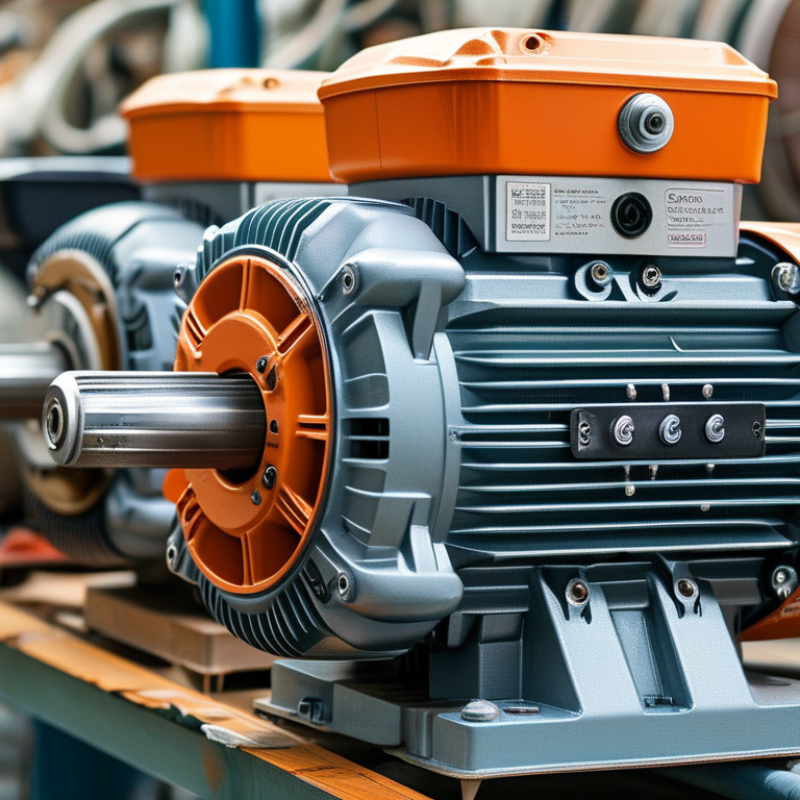
Top 10 Tips for Choosing AC Electric Motors for Global Buyers?

Understanding Different Types of AC Electric Motors Available Globally

When selecting AC electric motors, understanding the types available is crucial. There are several kinds, such as induction motors and synchronous motors. Induction motors are widely used due to their reliability and straightforward design. According to recent industry data, induction motors account for nearly 70% of the global market share. This dominance is attributed to their efficiency and low maintenance needs.

Synchronous motors, though used less frequently, offer advantages in specific applications. They are effective for high-performance requirements. However, challenges exist. They require precise speed control and are often more complex. Industry reports indicate that the demand for synchronous motors is increasing by about 5% annually, driven by advancements in technology. Understanding these dynamics helps buyers make informed decisions.

Buyers also need to consider efficiency ratings. The global average efficiency of AC motors is around 75-95%. This can significantly impact operational costs. Choosing a motor with a higher efficiency rating can lead to energy savings. However, achieving this often requires a more substantial upfront investment. Balancing short-term costs with long-term benefits is essential in this decision-making process.

Evaluating Motor Efficiency Ratings and Performance Standards

When selecting AC electric motors, motor efficiency ratings are crucial for global buyers. These ratings provide insight into energy consumption. An efficient motor reduces operational costs. Look for motors with high efficiency classes, such as IE2 or IE3. These motors comply with international standards and perform better over time.


Understanding performance standards is equally important. Performance metrics reveal how well a motor can handle various loads. For instance, a motor designed for continuous duty is essential for applications requiring 24/7 operation. Choose motors that meet relevant industry standards for reliability. Verify their ratings through reputable sources to ensure quality.


Tip: Always consider the total cost of ownership. This includes installation, maintenance, and energy use. A cheaper motor may lead to higher costs down the line. Reliability matters in selecting a motor. It's vital to examine past performance data and user feedback. Remember, even high-rated motors can underperform if the application isn’t properly matched.

Key Considerations for Motor Size and Installation Requirements

Choosing the right AC electric motor requires careful consideration of size and installation needs. The motor's size can significantly impact its efficiency and performance. A motor that is too small may struggle to handle the workload. Conversely, an oversized motor could lead to energy wastage and unnecessary costs. Conducting thorough calculations on load requirements is essential. This ensures the selected motor meets the demands of your specific application.

Installation requirements also play a crucial role in motor selection. Assess the available space for the motor installation. It's vital to consider factors such as ducting, ventilation, and access for maintenance. Improper installation can lead to operational inefficiencies or even failures. Additionally, the mounting position and alignment with other equipment should be evaluated. These decisions can affect both performance and longevity.

Understanding these aspects is not always straightforward. Many buyers overlook the impact of installation on a motor's lifespan. It's important to engage with industry experts who can provide insights tailored to your requirements. Reflections on past installations can reveal areas for improvement and highlight common pitfalls. Collecting feedback from experienced users can guide better decision-making in future purchases.

Assessing Supplier Reliability and Quality Assurance Practices

When selecting AC electric motors, evaluating supplier reliability is crucial. Begin with researching potential suppliers. Look for those with a proven track record in the industry. Authentic customer reviews and case studies can reveal insights into their reliability and performance.

Quality assurance practices should also be examined thoroughly. Reliable suppliers implement rigorous testing protocols. Ask about their manufacturing processes and standards. Ensure they follow international quality guidelines. This is vital for maintaining the operational efficiency of your electric motors.

Be aware that not all suppliers may deliver as promised. Some may provide inadequate support post-purchase. Monitor their responsiveness to inquiries. A slow or unhelpful response can indicate deeper issues. Establish a clear understanding of warranty and after-sales support; this ensures better service throughout your partnership.

Exploring Cost Factors and Long-Term Maintenance Needs for Motors

When selecting AC electric motors, understanding cost factors is essential. Initial purchase prices can vary significantly based on the motor's specifications. High-efficiency motors may cost more upfront but save on energy bills over time. Consider the application requirements carefully; heavy-duty motors might require a higher investment but offer durability in demanding environments.


Long-term maintenance is another crucial aspect. Regular inspections help detect wear and tear early, preventing costly breakdowns. Maintenance schedules should align with manufacturer recommendations. Overlooking this can lead to unexpected failures, affecting productivity. Additionally, consider the availability of replacement parts. Limited access to parts can complicate repairs and increase downtime.


Investing in quality motors pays off in the long run. A well-chosen motor can lead to reduced energy consumption and lower overall costs. However, keep in mind that not all motors are created equal. It's vital to balance cost with reliability. Reflection on past purchasing decisions can guide future choices. Always strive for a motor that meets your needs without compromising on quality.

FAQS

: What are the main types of

C electric motors?

Why are induction motors popular?

Induction motors are reliable, efficient, and low-maintenance, holding a significant market share.

How much market share do induction motors have?

Induction motors account for nearly 70% of the global market.

What are the advantages of synchronous motors?

Synchronous motors are effective for high-performance needs but require precise speed control.

What is the efficiency range of AC motors?

The global average efficiency of AC motors is around 75-95%.

Why is motor efficiency important?

Higher efficiency can reduce energy costs but may require a larger upfront investment.

What should buyers look for in efficiency ratings?

Buyers should seek high efficiency classes, like IE2 or IE3, for better performance.

What do performance standards indicate?

Performance standards show how well a motor handles different loads and applications.

How can total cost of ownership affect motor selection?

A cheaper motor might lead to higher overall costs due to installation and maintenance.

What matters most in choosing a motor?

Reliability and matching the motor to its application can prevent underperformance.

Conclusion

When selecting an AC electric motor, global buyers should first understand the different types available, as each motor serves distinct applications and environments. Evaluating motor efficiency ratings and performance standards is crucial to ensure optimal energy consumption and reliability. Buyers must also consider the motor size and installation requirements to ensure compatibility with existing systems, thereby preventing operational issues.

Furthermore, it's essential to assess the reliability of suppliers and their quality assurance practices. A trustworthy supplier can provide consistent product quality and support. Lastly, exploring cost factors and long-term maintenance needs will aid in making a financially sound decision. By taking these considerations into account, buyers can make informed choices that will enhance performance and longevity of their AC electric motors.

Sophia

Sophia

Sophia is a dedicated marketing professional with an exceptional depth of knowledge about her company's products and services. With a keen understanding of market trends and customer needs, she crafts insightful blog posts that not only inform but also engage readers, enriching the company’s online......