
Sunvim Motor
Selecting the right AC synchronous motor can significantly impact your operations. According to Dr. Joseph A. Smith, an industry expert, "The efficiency of your motor choice can make or break your production line." This highlights the importance of understanding your specific needs when making a decision.
AC synchronous motors offer various advantages, such as high efficiency and precise speed control. Yet, with many options available, choosing the right one may feel overwhelming. Factors like load requirements, operating environment, and power supply should all be considered. An informed choice can lead to better performance and reduced operational costs.
However, it's essential to recognize that not every motor will suit your needs perfectly. Each application has its unique challenges. Researching and consulting with experts can lead to better outcomes. Remember, the right AC synchronous motor is a balance between specifications and practical applications. Consider all aspects carefully for a successful selection.
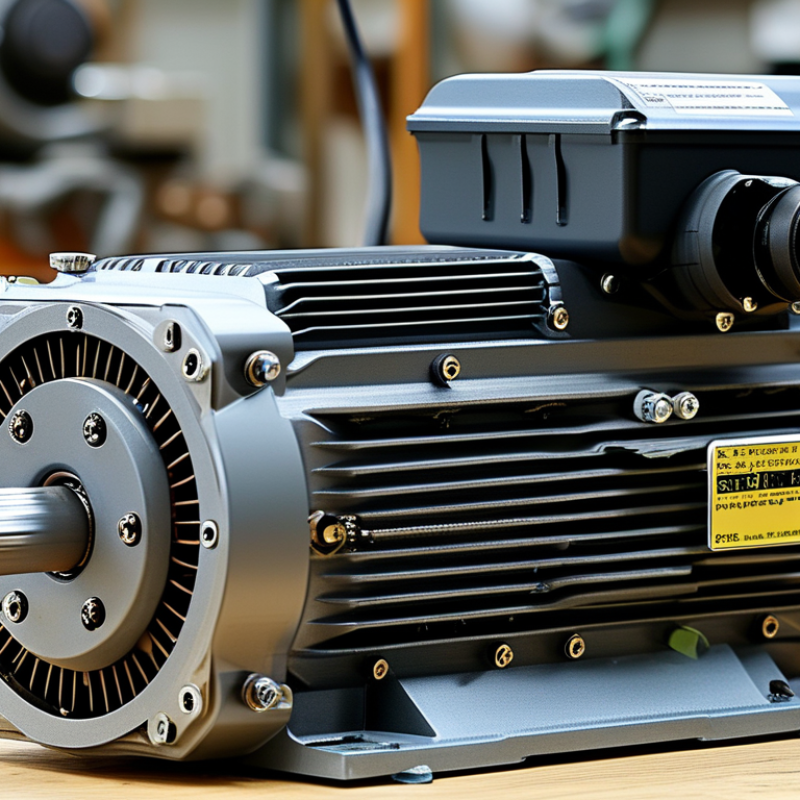
AC synchronous motors are a reliable choice for various industrial applications. They operate at a constant speed, making them suitable for tasks requiring precision. These motors work on the principle of synchronizing the rotor speed with the magnetic field produced by the stator. This synchronization allows for efficient power usage.
Understanding your specific needs is crucial when selecting an AC synchronous motor. Consider the torque requirements, speed control, and load types. For example, high-torque applications like conveyor systems may demand more robust models. However, not every application requires high performance. Sometimes a simpler solution can prove more effective.
Installation and maintenance are also important factors to strengthen reliability. Ensure proper alignment and lubrication during setup. A poorly installed motor could lead to inefficiencies or premature failure. Regular maintenance checks can help identify potential issues early on. These details matter in extending the motor's lifespan and optimizing overall performance.
When selecting an AC synchronous motor, various factors come into play. One crucial aspect is the motor size. The size should match the application requirements. Oversized motors can lead to inefficiency. Conversely, undersized motors may not perform adequately, leading to potential failures.
Another essential factor is the motor type. Different types of synchronous motors offer unique advantages. Permanent magnet motors provide high efficiency and compact sizes. Reluctance motors can be simpler and cost-effective but may have performance limits. Understanding the specific needs of your task will help narrow down the options.
Efficiency is also a vital consideration. High-efficiency motors reduce energy consumption but may come at a higher upfront cost. Evaluate the long-term savings versus initial investments. Balancing these factors can be challenging. It requires careful thought to avoid common pitfalls. Making the right choice enhances performance and reliability in the long run.
When selecting an AC synchronous motor, efficiency ratings and power factor are critical factors to consider. An efficient motor reduces operational costs and energy consumption. Look for models with high efficiency ratings, typically above 90%. This ensures that your motor operates efficiently under various load conditions. Incorporating energy-efficient practices is essential not only for cost savings but also for environmental responsibility.
The power factor of a synchronous motor indicates how effectively it converts electrical power into usable mechanical power. A higher power factor, close to 1, means more efficient usage of electric supply. Motors with a low power factor could lead to increased energy costs and may require additional equipment to correct. Therefore, it can be beneficial to evaluate the power factor when comparing motors.
Understanding these metrics requires careful assessment. Not all settings demand the same levels of efficiency or power factor. Be aware of the specific needs of your application. Sometimes, a motor with slightly lower efficiency may be more suitable due to load variations. Always reflect on how varying these specifications might impact your operations.
When selecting an AC synchronous motor, understanding load requirements is critical. The type of load influences motor performance and efficiency. For example, a constant load requires a different torque response than a variable load. Regular assessments of your application's needs will help identify which motor specifications will benefit you most.
Torque characteristics play a vital role in maintaining optimal performance. Consider how your process requires different torque levels throughout its cycle. Occasionally, motors may deliver unwanted vibrations or noise at certain speeds. Testing various torque outputs can reveal these inconsistencies, helping you make a more informed choice.
Tip 1: Always match the motor's torque to your application demands. Underestimating this can lead to motor failure.
Tip 2: Monitor temperature during your tests. Excess heat can reduce the motor's lifespan.
These small details matter, and sometimes optimization requires detailed observations. Adapting to specific needs may highlight flaws in your initial choices. Staying observant and flexible enhances the motor’s performance over time.
| Motor Type | Power (kW) | Voltage (V) | Torque (Nm) | Speed (RPM) | Efficiency (%) |
|---|---|---|---|---|---|
| Squirrel Cage | 5 | 400 | 30 | 1500 | 85 |
| Permanent Magnet | 10 | 230 | 45 | 3000 | 90 |
| Slip Ring | 15 | 460 | 70 | 1000 | 80 |
| Wound Rotor | 20 | 380 | 100 | 750 | 82 |
| Dual-Shaft | 25 | 415 | 120 | 1200 | 87 |
When selecting a synchronous motor, maintenance and durability are key factors to consider. Proper upkeep ensures longevity and optimal performance. Regular inspections can catch potential issues early. Check alignments, bearings, and connections periodically. This proactive approach can prevent costly downtime.
One effective tip is to keep the motor clean. Dust and debris can hinder performance and lead to overheating. Use compressed air to clear dust from vents. Avoid using water or harsh chemicals, as they can damage components. Regular lubrication of moving parts is vital too. It reduces friction and wear, enhancing the motor’s lifespan.
Another aspect is monitoring operating conditions. Extreme temperatures can affect performance and reliability. Ensure your motor operates within specified limits. Setting up temperature sensors can provide real-time data. This helps in maintaining efficiency and preventing failures. Regular training for personnel can also enhance awareness of best practices for motor care.
C synchronous motors used for?
The motor size must match application requirements. Oversized motors can be inefficient, while undersized ones may fail.
High-efficiency motors reduce energy use, leading to long-term savings, though they may have a higher initial cost.
Regular maintenance ensures longevity and optimal performance. Inspections can prevent costly downtime due to issues.
Check alignments, bearings, and connections periodically. This proactive approach helps catch potential problems early on.
Dust can cause overheating and hinder performance. Keep motors clean by using compressed air to clear vents.
A poorly installed motor may lead to inefficiencies or premature failure, affecting overall performance.
Extreme temperatures can affect performance. Ensure your motor operates within specified limits to maintain efficiency.
Regular training sessions can improve understanding of best practices for motor maintenance and care.
Sometimes a simpler, less robust solution can be more effective than a high-performance option, depending on needs.
When selecting an AC Synchronous Motor, it is essential to first understand the fundamentals of these motors and their diverse applications across various industries. Key factors to consider include the motor type and size that suit specific operational needs. Evaluating efficiency ratings and the power factor is crucial for ensuring optimal performance and energy savings.
Furthermore, it is vital to assess load requirements and torque characteristics to guarantee the motor can handle the demands of its intended application. Finally, maintenance and durability play significant roles in the longevity of an AC Synchronous Motor, ensuring that it continues to operate effectively over time. By taking these considerations into account, you can make an informed choice that maximizes both performance and reliability.
