Three phase motors play a vital role in diverse industries. Their efficiency and reliability make them the preferred choice for many global buyers. According to a report by Research and Markets, the global three phase motor market is expected to grow significantly, reaching $50 billion by 2025. This growth reflects the increasing demand for energy-efficient solutions.
Efficiency is crucial in today’s competitive landscape. Three phase motors achieve better performance than single-phase options. They are known for their high torque and smooth operation. The International Electrotechnical Commission (IEC) emphasizes the importance of selecting the right motor for specific applications. However, buyers often face challenges in choosing the best model from numerous options available.
Market dynamics showcase options like synchronous motors, induction motors, and permanent magnet motors as popular choices. Each has unique advantages and potential limitations. Understanding these differences can enhance decision-making. Thus, exploring the top three phase motor options requires careful consideration and insight into industry trends. Collectively, this knowledge fosters more informed procurement strategies and operational efficiencies.
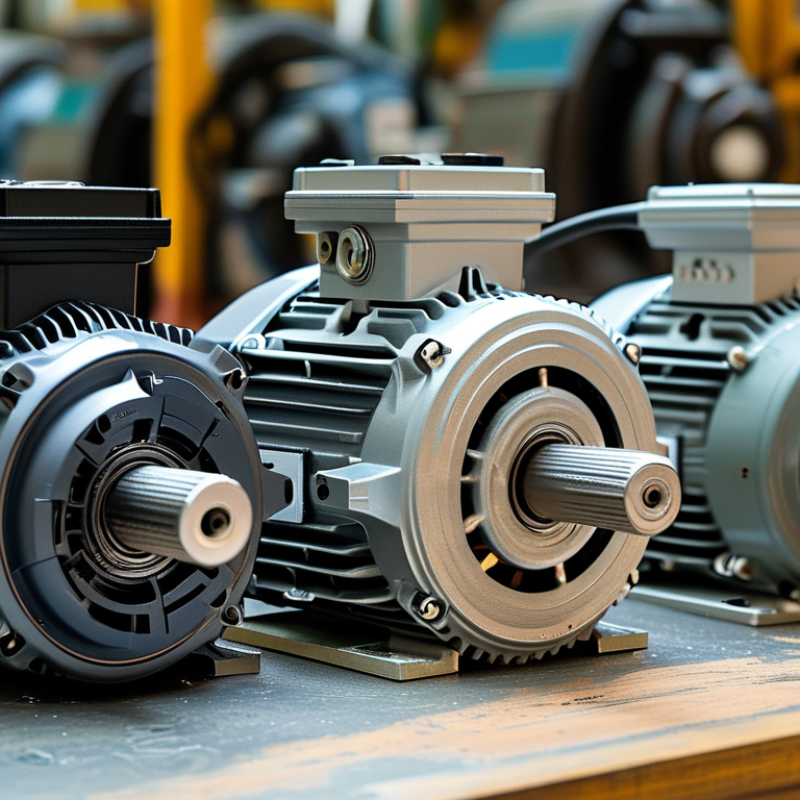
Top Three Phase Motor Options for Global Buyers
In recent years, the global demand for three-phase motors has surged, driven by the need for efficient and reliable machinery. According to a market analysis from Research and Markets, the
global electric motor market is expected to grow at a CAGR of
6.3% from 2021 to 2028. This growth reflects the increasing focus on automation and energy efficiency across various industries.
When selecting a three-phase motor, consider efficiency ratings and operational costs. Many experts recommend looking for motors with an efficiency class of
IE3 or higher. These motors not only reduce energy consumption but also have a longer lifespan, leading to lower maintenance costs. However, it's worth noting that
initial investments may be higher, challenging some buyers.
Tip: Always evaluate the total cost of ownership, not just the purchase price.
Another essential aspect is the motor's load capacity. A properly sized motor ensures optimal performance and can handle demand fluctuations well. The right size can minimize energy losses. However,
oversizing can lead to inefficiencies, prompting the need for a careful analysis of your specific application requirements.
Tip: Consult with professionals to assess your load calculations.
Ultimately, understanding these elements can help buyers make informed decisions, fostering a more sustainable and efficient operational framework in their respective industries.
Understanding the Types of Three Phase Motors: Synchronous and Induction
Three-phase motors are essential in industrial applications. They primarily fall into two categories: synchronous and induction motors. Understanding their differences guides buyers in making informed decisions.
Synchronous motors run at a constant speed, synchronized with the supply frequency. They require an external power source for their rotor. This characteristic makes them suitable for applications where precise speed is crucial. However, their initial cost is often higher, and they may need more maintenance due to complex components.
On the other hand, induction motors are simpler and more common. They operate by inducing current in the rotor, which doesn’t have an external power supply. This design allows for lower costs and ease of maintenance. However, their speed varies with the load, which can be a downside. Both types have unique benefits and drawbacks, requiring buyers to evaluate their specific needs carefully. Understanding these differences can lead to more satisfying choices.
Top Three Phase Motor Options for Global Buyers
This chart displays the comparison of the efficiency ratings of different types of three-phase motors: Synchronous and Induction motors. Efficiency is a crucial factor for buyers looking to optimize energy consumption.
Market Demand Analysis: Three Phase Motors in Various Industries
The demand for three-phase motors is continuously growing across various industries. According to recent market research, the global three-phase motor market is expected to reach a value of $30 billion by 2025. This surge indicates a strong preference for efficient and reliable power solutions. Industries such as manufacturing, automotive, and energy are particularly driving this trend.
Manufacturing sectors often rely on three-phase motors for their ability to handle high torque loads. These motors reduce energy consumption significantly, aligning with sustainability goals. Furthermore, a report by the International Energy Agency (IEA) notes that electric motors account for about 45% of global electricity consumption in industrial settings. Switching to more efficient models can lead to substantial cost savings.
**Tips:** Always assess the specific requirements of your application. Matching the motor's specifications with operational needs can enhance efficiency. Additionally, regular maintenance is crucial. It can prolong the lifespan and performance of the motor.
Some challenges remain, though. A significant number of companies still struggle with integrating advanced motor technologies. While there is a clear trend toward efficiency, not all businesses are ready to invest in the latest options. Decisions often fall prey to budget constraints. Evaluating long-term benefits versus initial costs is essential for informed choices.
Cost Comparison: Top Three Phase Motor Brands and Their Pricing
When choosing three-phase motors, global buyers often face challenging decisions. A cost comparison across leading brands reveals significant pricing variations. Industry reports indicate that motor costs can range from $1,000 to $5,000, depending on specifications and efficiency ratings. A leading study noted that high-efficiency motors might offer longer lifecycle savings but have a higher upfront cost.
Buyers need to assess performance metrics, like power factor and thermal efficiency. For instance, a report by the International Electrotechnical Commission (IEC) highlights that improving power factor can reduce operational costs by up to 30%. Customers might opt for lower-priced models initially. However, these choices can lead to higher energy costs and maintenance.
Understanding total ownership costs, including energy consumption and maintenance, is crucial. A study from the U.S. Department of Energy estimates that three-phase motors account for nearly 65% of industrial motor systems' energy use. Decisions based solely on initial price may overlook long-term impacts on efficiency and reliability. Consideration of upfront costs versus total lifecycle expenses is essential for informed decision-making.
Performance Metrics: Efficiency Ratings and Power Output for Buyers
When selecting a three-phase motor, efficiency and power output are critical metrics to consider. An efficient motor reduces energy consumption and operating costs. Common efficiency ratings range from IE1 to IE5, where IE5 is the most efficient. Users should assess their specific needs to choose the right efficiency level. High efficiency typically translates to better performance, but the initial cost may be higher.
Power output varies significantly across different motors. Understanding the appropriate horsepower for your application is essential. A motor that is too small may overheat, while one that is too large can lead to inefficiencies. Always match the motor size with the application requirements to achieve optimal performance.
Tip: Regularly monitor the motor’s condition. This can reveal inefficiencies and help identify maintenance needs early. Another suggestion is to consult with industry experts. Their advice can guide you toward the best options available. Additionally, consider the environment where the motor operates. Factors like temperature and dust levels can impact efficiency and lifespan. Investing time in research pays off in the long run.
Top Three Phase Motor Options for Global Buyers
| Motor Type |
Efficiency Rating |
Power Output (kW) |
Torque (Nm) |
Weight (kg) |
| Squirrel Cage Motor |
IE3 |
15 |
45 |
80 |
| Permanent Magnet Motor |
IE4 |
20 |
60 |
70 |
| Induction Motor |
IE2 |
10 |
30 |
90 |
Conclusion
The article "Top Three Phase Motor Options for Global Buyers" explores the various facets of three phase motors, highlighting their significance in multiple industries. It begins with an understanding of the two primary types of three phase motors: synchronous and induction, each offering unique advantages suited to different applications. The subsequent analysis examines market demand, revealing how various sectors utilize these motors for efficiency and productivity.
Furthermore, the article provides a cost comparison among leading three phase motor brands, giving potential buyers insight into average pricing. Finally, it discusses performance metrics, focusing on efficiency ratings and power output, which are critical factors for buyers when selecting the right motor for their needs. This comprehensive overview equips global buyers with essential knowledge to make informed decisions about three phase motors in the dynamic marketplace.
 Sunvim Motor
