
Sunvim Motor Sunvim Motor

Top 5 Tips for Choosing a Three Phase Induction Motor?

Time:2026-08-08 Author:Oliver
0%

Selecting the right Three Phase Induction Motor can significantly impact your project's success. This motor type is widely used in industrial applications due to its efficiency and reliability. However, the options are vast, and making an informed choice is crucial.

Understanding your specific requirements is a key starting point. Factors such as load type, operational environment, and required efficiency levels should guide your decision. A common mistake is overlooking these details, which can lead to costly inefficiencies.

Moreover, consulting with a professional can enhance your understanding of technical specifications. Experts can clarify doubts and provide insights based on real-world applications. Ultimately, investing time in this decision can ensure optimal performance and longevity of your Three Phase Induction Motor.
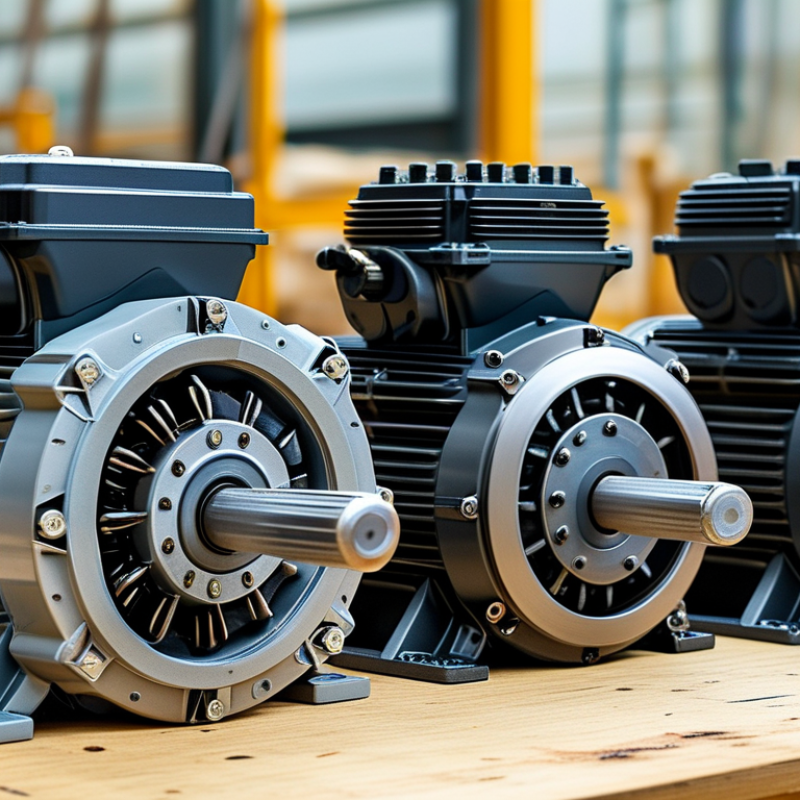
Top 5 Tips for Choosing a Three Phase Induction Motor?

Understanding Three Phase Induction Motors and Their Applications

Understanding three phase induction motors is crucial for various industrial applications. These motors are commonly used in pumps, conveyors, and compressors, making them vital for smooth operations. Their ability to handle heavy loads and operate continuously makes them a top choice in manufacturing settings. The design is simple, yet highly effective, which contributes to its reliability.

When selecting a three phase induction motor, consider its efficiency. A motor with higher efficiency will save energy and reduce operational costs. Additionally, pay attention to the power factor. A good power factor minimizes energy losses and enhances performance. Always check the motor's service factors, too. This indicates the motor's overload capability, affecting durability.

Another tip is to evaluate the environment where the motor will operate. Harsh conditions necessitate motors with special features like waterproof or dustproof enclosures. These adaptations enhance longevity and reliability. The choice of a three phase induction motor can greatly influence the productivity and efficiency of your operations, making careful consideration essential.

Key Specifications to Consider When Selecting a Motor

When selecting a three-phase induction motor, key specifications can greatly impact its performance. One essential specification is power rating. This defines the motor's ability to handle specific loads. Higher power ratings are necessary for demanding applications, while lower ratings work for lighter tasks. Understand your operational needs to choose wisely.

Another vital specification is efficiency. A more efficient motor consumes less energy, leading to cost savings over time. Look for motors with higher efficiency ratings. The running environment also plays a role. Consider temperature, humidity, and potential exposure to dust or chemicals. These factors can affect the motor's lifespan and reliability.

Lastly, pay attention to the motor's speed and torque characteristics. Different applications require different speeds and torque levels. Knowing these requirements helps avoid underperformance or overloading. Each application is unique, and minor details matter. Reflecting on these specifications ensures a better fit for your needs.

Evaluating Load Requirements for Optimal Motor Performance

When selecting a three-phase induction motor, understanding load requirements is crucial for optimal performance. The motor must match the application's power needs to operate efficiently. Overloading a motor can lead to premature wear, increased maintenance costs, and reduced lifespan. According to industry reports, properly sizing a motor can improve energy efficiency by 15-20%. This data emphasizes the importance of evaluating the operational loads accurately before selection.

Tip 1: Assess the starting and running load of your application. Determine the type of load (constant or variable) and its torque requirements. Many users underestimate these factors, leading to inefficient motor performance.

It's also essential to consider environmental conditions. Factors like temperature, humidity, and altitude can affect motor efficiency. Operating at higher temperatures may decrease efficiency and extend payback periods. Adaptations may be necessary for extreme environments.

Tip 2: Consider future load increases. If your application may evolve, select a motor that accommodates potential growth. Undersizing can cause operational hiccups.

An evaluation report stated that motors sized too small might operate at 80-90% of their load limits annually, causing energy waste. Balancing load requirements with performance ensures longevity and reliability. Choose wisely to optimize your investment in three-phase induction motors.

Assessing Efficiency Ratings and Energy Consumption

When choosing a three-phase induction motor, assessing efficiency ratings is crucial. High efficiency means lower energy bills over time. Look for motors with a high efficiency class, often rated by standards. These ratings are not just numbers; they can translate into real savings. A motor with a 95% efficiency uses less power, reducing operational costs and carbon footprint.

Energy consumption is another vital factor. Try to evaluate the motor's load and usage pattern. Motors often operate at different efficiency levels depending on the load. An oversized motor can lead to wasted energy, while an undersized motor can underperform. Consider how the motor will be used and opt for the appropriate size to improve efficiency.

Understanding these elements is essential for making an informed decision. Poor choices can lead to operational inefficiencies and increased costs. It's important to engage in thorough research and consult with experts. Assessing energy use is complex. Reflecting on both efficiency ratings and consumption patterns helps in selecting the best option. Disregarding these factors can have lasting consequences.

Top 5 Tips for Choosing a Three Phase Induction Motor - Assessing Efficiency Ratings and Energy Consumption

Tip Number Tip Description Efficiency Rating (IE Code) Energy Consumption (kWh/y)
1 Assess the required power output and torque IE3 1500
2 Consider the ambient operating conditions IE2 1800
3 Evaluate the required starting torque IE4 1200
4 Inspect the mechanical and thermal characteristics IE3 1400
5 Analyze the total cost of ownership IE2 1600

Determining Environmental Factors Affecting Motor Choice

Choosing the right three-phase induction motor requires careful consideration of environmental factors. The motor’s operating environment can significantly impact its performance and durability. Factors like temperature, humidity, and dust levels must not be underestimated.

High ambient temperatures could lead to overheating, affecting the motor’s efficiency. Motors may require cooling fans or specific designs for hot areas. Likewise, high humidity can promote corrosion. This calls for materials resistant to moisture and rust. Dusty or dirty environments present their own challenges, as fine particles can infiltrate the motor, hindering performance. Regular maintenance schedules can help mitigate these issues.

Noise levels also matter. In quiet settings, a noisy motor can cause disturbances. Selecting a motor with low operational noise is essential in these contexts. Additionally, the mounting location plays a crucial role. Motors placed outdoors need protection from rain and debris. Understanding these environmental factors ensures that the motor will perform efficiently and last longer. Adjustments may be necessary, depending on the site. Every detail counts in optimizing motor choice.

Top 5 Environmental Factors Affecting Motor Choice

FAQS

: What are three phase induction motors commonly used for?

: They are vital for pumps, conveyors, and compressors in industrial applications.

How do the efficiency ratings of motors affect costs?

Higher efficiency motors consume less energy, leading to significant cost savings over time.

What should be considered when selecting a motor's power rating?

The power rating defines the motor's load capacity, crucial for demanding versus lighter tasks.

Why is the power factor important in motor selection?

A good power factor minimizes energy losses and enhances overall performance.

How does the operating environment impact motor selection?

Harsh conditions may require special features like waterproof or dustproof enclosures for reliability.

What speed and torque characteristics should be considered?

Different applications have varying requirements, making these characteristics essential for optimal performance.

Is the design of three phase induction motors complex?

No, the design is simple yet effective, enhancing its reliability in operations.

What role do service factors play in motor durability?

Service factors indicate the motor's overload capability, affecting its long-term durability.

How can selecting the right motor influence productivity?

A well-chosen motor can greatly enhance operational efficiency and overall productivity.

Are there any reflections needed on motor specifications?

Yes, understanding specifications ensures a better fit for operational needs, preventing common miscalculations.

Conclusion

When choosing a Three Phase Induction Motor, it's essential to understand its various applications, as these motors are widely used in industrial settings due to their efficiency and reliability. Key specifications, such as voltage, power ratings, and torque, should be carefully considered to ensure the motor meets specific operational needs.

Evaluating load requirements is crucial for optimal motor performance, as an improperly sized motor can lead to inefficiencies or failures. Additionally, assessing efficiency ratings and energy consumption helps in selecting a motor that minimizes operational costs over time. Finally, environmental factors, such as temperature and humidity, can influence the choice of an appropriate Three Phase Induction Motor to ensure longevity and performance under different conditions.

Oliver

Oliver

Oliver is a seasoned marketing professional with a wealth of expertise in driving brand awareness and engagement. With a deep understanding of our company's product offerings, he consistently delivers high-quality content that enriches our professional blog. His insights not only shed light on......