
Sunvim Motor Sunvim Motor

Why Choose a Three Phase Motor?

Time:2026-10-29 Author:Charlotte
0%

A three-phase motor is a common choice for pumps, compressors, conveyors, and workshop machinery. Its appeal is practical: three-phase power creates a rotating magnetic field, supporting steady operation and reliable torque. On a factory floor, that can mean a pump running smoothly through a long shift, rather than struggling under changing load. But the right choice depends on the machine, supply, and operating conditions.

The International Energy Agency’s 2011 report, Energy-Efficiency Policy Opportunities for Electric Motor-Driven Systems, estimates that motor-driven systems use about 46% of global electricity. That figure describes complete systems, not motors alone, and the report is not new. Still, it highlights why motor selection matters. A properly sized Three Phase Motor, paired with an efficient drive when suitable, can help reduce wasted energy and support dependable production. The U.S. Department of Energy’s motor-system guidance also stresses evaluating the motor, drive, and driven equipment together.

There are trade-offs. Three-phase power may not be available at every site, and installation, protection, and maintenance need careful planning. A motor that is oversized or poorly matched can waste energy, even when its design is efficient. No motor is magic. Check the load profile, starting method, voltage, and duty cycle before choosing. The details matter. Industry experience shows that dependable performance often comes from sound system design, not simply selecting a motor with impressive specifications.
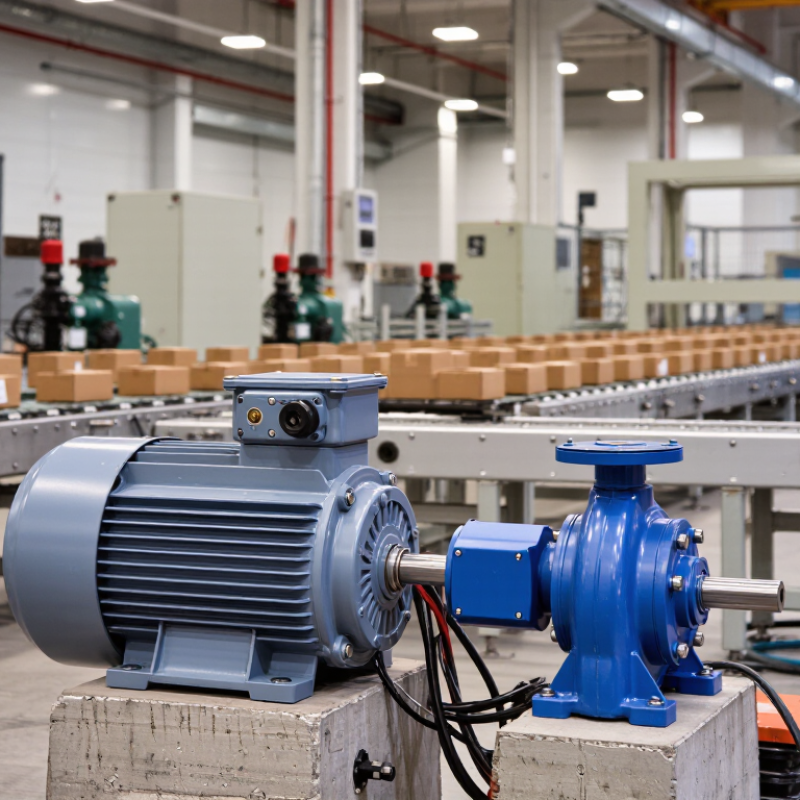
Why Choose a Three Phase Motor?

What Is a Three-Phase Motor?

A three-phase motor converts electrical energy into mechanical rotation using three alternating-current phases. The phases reach their peaks at different times, spaced 120 electrical degrees apart. Inside the stator, their combined currents create a rotating magnetic field. In an induction motor, this field induces current in the rotor, producing torque and turning a shaft. Simple in principle. In practice, winding design, insulation, cooling, and bearing condition all affect performance. Some motors are synchronous: their rotors stay aligned with the rotating field. That distinction matters when a process needs tightly controlled speed.

Why are three-phase motors common in industry? Their rotating field can provide smooth, steady torque for pumps, fans, and conveyors. The U.S. Department of Energy’s 2014 Improving Motor and Drive System Performance sourcebook estimates that motor-driven systems consume about 64% of U.S. industrial electricity. This figure covers motor-driven systems broadly, not three-phase motors alone—a distinction worth keeping. Before choosing a motor, check the supply voltage, frequency, load profile, starting current, and nameplate. A pump running steadily has different needs from a conveyor starting under load. Three-phase power often suits larger, continuous duties, but it is not automatically the best fit. Correct sizing matters.

How Three-Phase Motors Convert Electrical Energy into Motion

A three-phase motor turns electrical energy into motion through a rotating magnetic field. Three alternating currents reach the stator windings at different points in each cycle, spaced 120 degrees apart. Their combined magnetic forces create a field that moves around the inside of the motor. That field rotates. In an induction motor, it induces current in the rotor, which then produces its own magnetic field and follows the stator’s rotating field. The rotor turns the shaft, transferring motion to a fan, pump, or conveyor.

The steady, rotating field helps deliver smooth torque, especially under continuous loads. A synchronous motor works differently: its rotor stays in step with the rotating field. The motor’s design, supply frequency, and number of poles affect its speed. In practice, wiring and load conditions matter too; an overloaded motor may run hot, even if it sounds normal. Diagnosis is not always obvious from noise alone.

Tips: Check the nameplate before connecting a motor. Confirm the supply voltage and phase arrangement, and keep ventilation openings clear. If the shaft starts slowly or the casing gets unusually warm, stop and investigate rather than guessing.

Key Advantages of Three-Phase Motors

Why Choose a Three Phase Motor?
Key Advantages of Three-Phase Motors

Three-phase motors deliver smooth, continuous torque because their electrical phases reach peak power at different times. That helps reduce torque pulsation and can support steady operation in pumps, compressors, fans, and conveyors. Many designs are also self-starting, which simplifies equipment setup. Less vibration matters.

The U.S. Department of Energy’s 2014 Improving Motor and Drive System Performance sourcebook estimates that motor-driven systems account for about 68% of U.S. manufacturing electricity use. That figure covers motor systems, not three-phase motors alone, but it shows why motor selection and operating efficiency deserve attention. Three-phase designs can provide strong power output in a compact frame, and properly matched motors may reduce energy waste. Yet phase count alone does not guarantee efficiency. Load, speed control, maintenance, and correct sizing all matter. I would not choose a motor by headline specifications alone.

Tips: Check the nameplate voltage and frequency against the supply. Match motor capacity to the real operating load, not just the machine’s peak demand. Keep cooling passages clear, and inspect bearings for heat or noise. A small mismatch can become an expensive inefficiency.

Why Choose a Three-Phase Motor?

In an ideal balanced system with sinusoidal voltages and unity power factor, the combined three-phase power remains constant, while single-phase power pulsates twice per electrical cycle. This smoother power delivery supports steadier motor torque. Values are normalized to each system’s average power and are illustrative, not measured motor-performance data.

Where Three-Phase Motors Are Commonly Used

Why Choose a Three Phase Motor?
Where Three-Phase Motors Are Commonly Used

Three-phase motors are common in factories, water-treatment plants, farms, and large buildings. They drive pumps that move water through pipes, fans that circulate air, compressors, conveyors, and irrigation equipment. The International Energy Agency’s 2011 report, Energy Efficiency Policy Opportunities for Electric Motor-Driven Systems, estimated that motor-driven systems use about 46% of global electricity. The U.S. Department of Energy’s 2014 motor-systems sourcebook reported that these systems account for about 68% of electricity use in U.S. manufacturing. The figures underline how often motors do the steady, unseen work behind production.

Three-phase power suits many continuous-duty applications because it supports smooth, consistent motor operation. Picture a wastewater pump running for hours, or a conveyor carrying boxes across a warehouse floor. These motors are also used in mining, food processing, and commercial HVAC systems, where equipment may face long operating hours and changing loads. Yet the fit is not automatic. A common mistake is choosing a motor by horsepower alone; the actual load, starting needs, and speed control matter too. Small details count. Oversizing can waste energy, while poor controls can undermine an otherwise suitable setup.

Factors to Consider When Choosing a Three-Phase Motor

Choosing a three-phase motor starts with the machine, not the catalog. Check the required shaft power, speed, torque, and duty cycle. A conveyor carrying steady loads differs from a pump facing frequent starts. Those details shape frame size and starting performance. Small mismatch, real consequences.

Supply voltage and frequency must match the site. Confirm whether the motor will use a variable-frequency drive, since insulation, cooling, and control settings may matter. For dusty, wet, or hot locations, review enclosure protection and the permitted ambient temperature. Do not assume a larger motor is safer. Oversizing can raise purchase and operating costs, while an undersized unit may overheat under sustained load.

Efficiency matters over the motor’s expected operating hours, not only on its rating plate. Compare efficiency data at realistic loads, and check service access, bearing requirements, and available space before ordering. Leave room for uncertainty: actual loads often differ from estimates, and field measurements can change the choice. A qualified electrician or application engineer can verify calculations and confirm safe installation details.

FAQS

What is a three-phase motor?

It converts electrical energy into rotating motion. Three alternating currents create a rotating magnetic field inside the motor. Simple idea.

How does an induction motor produce rotation?

The magnetic field induces current in the rotor. That current creates torque and turns the shaft. The rotor follows the field.

Why are three-phase motors used in industrial equipment?

They can provide smooth, steady torque for pumps, fans, compressors, and conveyors. This helps equipment run consistently. Vibration still matters.

Where are three-phase motors commonly used?

They operate in factories, farms, water-treatment plants, and large buildings. You might find one driving a pump or moving boxes along a warehouse conveyor.

Are three-phase motors always the best choice?

No. Suitability depends on the power supply, load, starting needs, and speed control. I would not assume that more power means a better fit.

What should be checked before choosing a motor?

Compare the nameplate voltage and frequency with the available supply. Also consider the real operating load, starting current, and required speed.

Does choosing a three-phase motor guarantee energy efficiency?

No. Correct sizing, load, maintenance, and controls also affect energy use. A motor sized only for peak demand may waste energy during normal operation.

What routine checks can help keep a motor running well?

Keep cooling passages clear, and listen for unusual bearing noise. Check for excess heat, too. Small details can be easy to miss.

Conclusion

A Three Phase Motor converts electrical energy into mechanical motion by using three alternating currents that create a rotating magnetic field. This field turns the rotor and provides steady, continuous power for equipment and machinery. Compared with many single-phase alternatives, three-phase motors are known for smooth operation, reliable performance, and efficient power delivery, making them suitable for demanding applications.

These motors are commonly used in industrial facilities, commercial buildings, pumps, fans, compressors, and conveyor systems. When choosing one, consider the required power, operating speed, load, supply voltage, installation environment, and expected duty cycle. Matching these factors to the application can support dependable operation and help ensure the motor performs efficiently over time.

Charlotte

Charlotte

Charlotte is a seasoned marketing professional with a deep understanding of the company's portfolio and a passion for elevating its presence in the market. With a keen eye for detail and a commitment to excellence, she ensures that our professional blog is regularly updated with insightful articles......