 Sunvim Motor
Sunvim Motor
Sunvim Motor
Explore our comprehensive, CE-compliant range of electric motor options designed for diverse industrial applications worldwide.
The industrial landscape is undergoing a massive transformation, driven by aggressive decarbonization mandates and skyrocketing energy costs. Globally, electric motors consume more than 45% of all electrical energy, making them the primary target for system-wide efficiency optimization. At the heart of this global transition is the IEC 60034-30-1 standard, which defines efficiency classes (IE1, IE2, IE3, IE4, and the emerging IE5) for single-speed, three-phase, cage-induction motors.
Historically, legacy systems relied heavily on IE1 (Standard Efficiency) and IE2 (High Efficiency) motors. However, with the implementation of strict regulations like the EU Ecodesign Regulation 2019/1781, motors within specific power ranges must conform to at least IE3 (Premium Efficiency) or IE4 (Super-Premium Efficiency) standards. For global OEMs, engineering firms, and industrial distributors, choosing the right motor exporter with proper CE Certification is critical to ensuring legal market entry, operational continuity, and significant energy savings.
As a leading exporter of industrial solutions, Shandong Sunvim Motor Co., Ltd. stands at the forefront of this technological shift. We provide custom-engineered, CE-certified electric motors that assist global enterprises in optimizing their energy footprint while complying with regional environmental mandates.
Electric motors contribute over 90% of their life-cycle costs directly through electrical energy consumption. Moving to IE3/IE4 standards delivers massive returns on investment (ROI).
The CE marking is non-negotiable for European trade. It verifies compliance with low voltage, electromagnetic compatibility (EMC), and ecological guidelines.
Optimized winding designs, advanced magnetic steel laminations, and premium bearings translate to lower heat dissipation and extended operational lifetimes.
Understanding the technical distinctions between efficiency categories is essential for matching performance to specific system requirements. In three-phase asynchronous motors, losses are divided into stator/rotor copper losses, iron losses, friction/windage, and additional load losses. The transition to higher IE classes involves optimizing these losses through engineering design and high-grade materials.
| IE Class | Efficiency Label | Primary Technical Characteristic | Recommended Applications | Compliance Status (EU/US) |
|---|---|---|---|---|
| IE1 | Standard Efficiency | Aluminum rotor cages, standard laminations. Higher heat generation. | Short-run machinery, low-duty intermittent cycles. | Phased out for main industrial drives. Allowed in niche systems. |
| IE2 | High Efficiency | Refined slot geometry, improved copper density in windings. | Variable speed drives (VFD) where load varies frequently. | Restricted; largely replaced by IE3 for grid-connected duties. |
| IE3 | Premium Efficiency | High-grade cold-rolled electrical steel, optimized magnetic path. | Continuous operation: pumps, ventilation, compressors, conveyors. | Mandatory standard for motors from 0.75kW to 1000kW. |
| IE4 | Super-Premium | Ultra-low rotor loss, often incorporating copper rotors or PM designs. | Heavy-duty mining, chemical refining, paper manufacturing. | Mandatory for specific power ranges (e.g., 75kW to 200kW in EU). |
Achieving IE4 (Super-Premium Efficiency) and moving toward IE5 (Ultra-Premium Efficiency) requires advanced motor topologies. Standard induction motors (IM) can reach IE4 efficiency, but it requires significantly more active material (copper and high-grade steel laminations), which can increase the overall frame size. To keep frame footprints compact, manufacturers increasingly deploy:
Deploying the correct motor efficiency level requires analyzing local electrical grid stability, operating patterns, and regional energy costs. Rather than installing IE4 motors across every process, smart industrial operators optimize by matching the motor type and class to the specific duty cycle.
For operations run under 500 hours annually, such as fire pumps, emergency valves, or overhead cranes, the capital expenditure of IE4 is difficult to justify. In these settings, rugged IE1 and IE2 motors provide reliable startup torque and lower initial purchase costs.
For standard processes running 24/7—like public water treatment facilities, regional HVAC air handling units, and industrial conveyors—IE3 motors represent the sweet spot for regulatory compliance and operational returns, offering balanced acquisition costs and energy savings.
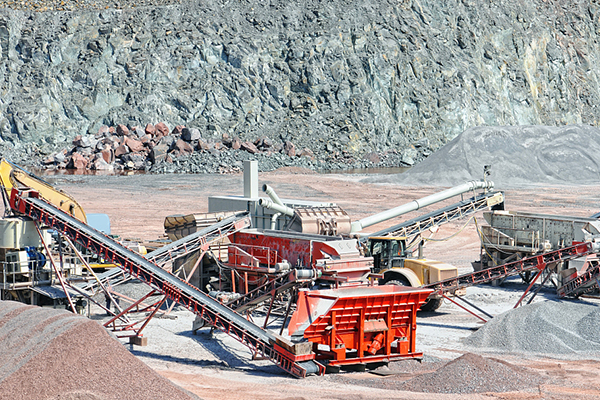
In power-intensive applications like mining crushers, large air compressors, chemical agitators, and steel rolling mills, energy costs dominate total overheads. Here, high-efficiency IE4 motors and Permanent Magnet options are critical for reducing utility bills and lowering carbon emissions.
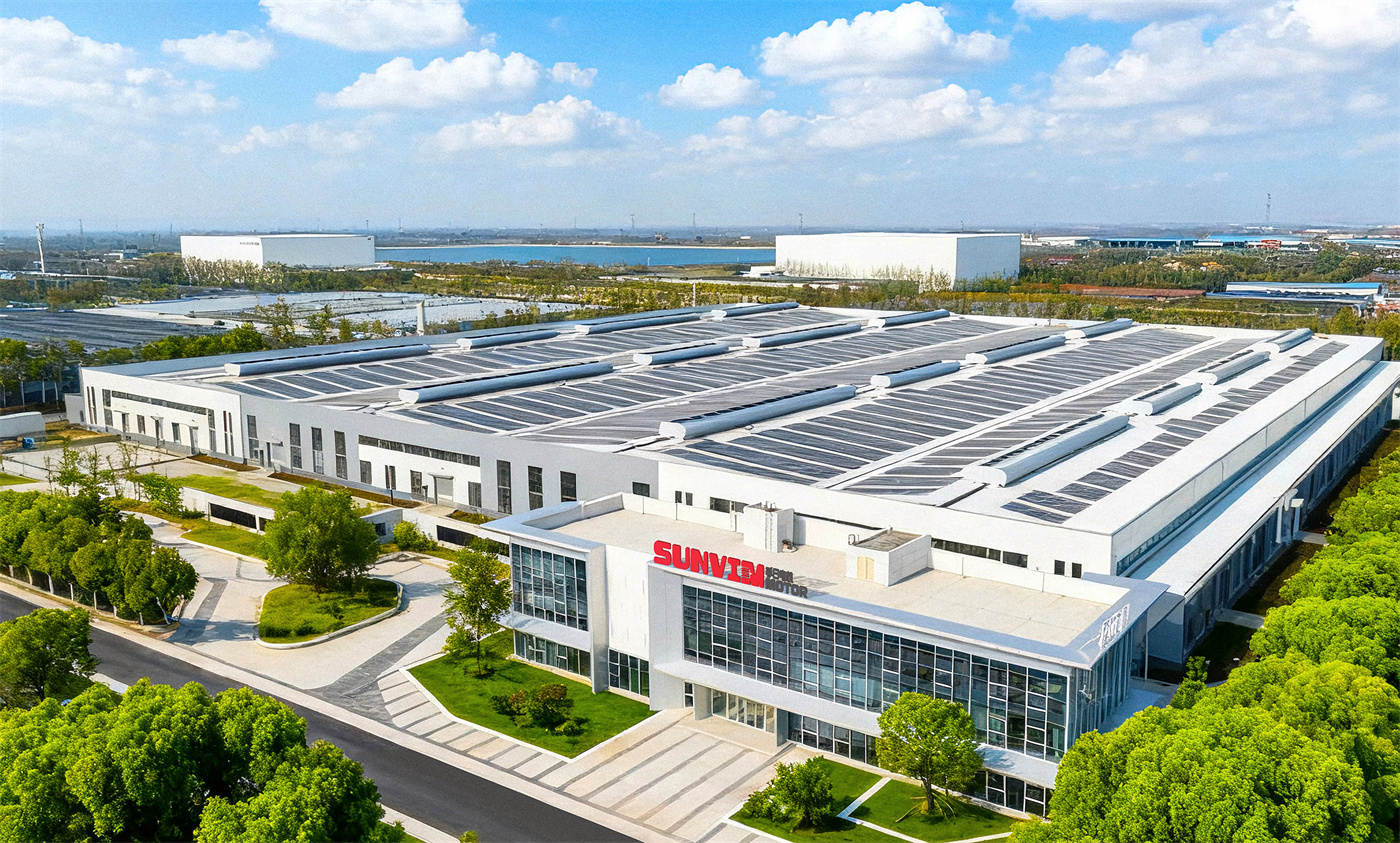
With more than 60 years of experience in electric motor research, engineering, and manufacturing, Shandong Sunvim Motor Co., Ltd. stands as a premier manufacturer in the industrial sector. Following a significant corporate transformation in 2022, we built a modern production facility designed to meet the demands of global industrial markets.
Backed by the resources of the multi-billion RMB Sunvim Group, we maintain a highly stable operation. Our production facility houses more than 400 sets of advanced manufacturing, precision testing, and automated equipment, supporting an annual production capacity of up to 3 million kilowatts.
Today, the Sunvim brand has earned international recognition. Our high-performance electric motors are trusted by OEMs and industrial buyers across major global markets, including Germany, Italy, Greece, Spain, Belgium, Denmark, South Africa, Slovakia, Australia, Singapore, Indonesia, Malaysia, and Taiwan.
Established
Capital Investment (RMB)
State-of-the-Art Facility Area
Annual Production Capacity
Gaomi Electric Appliance Factory was established. By 1988, it grew and was renamed Weifang Electric Machinery Factory, laying the foundation for our deep manufacturing expertise.
Mr. Sun, then the factory director, left Gaomi Electric Appliance Factory to establish Gaomi Towel Factory, which served as the predecessor of the modern Sunvim Group.
Weifang Electric Machinery Factory was acquired by Sunvim, leading to the creation of Shandong Sunvim Electrical Machinery Co. Ltd., combining historical experience with capital backing.
Our new factory in the Sunvim Industrial Park was completed, and the business was renamed Shandong Sunvim Motor Co. Ltd., modernizing our entire manufacturing ecosystem.
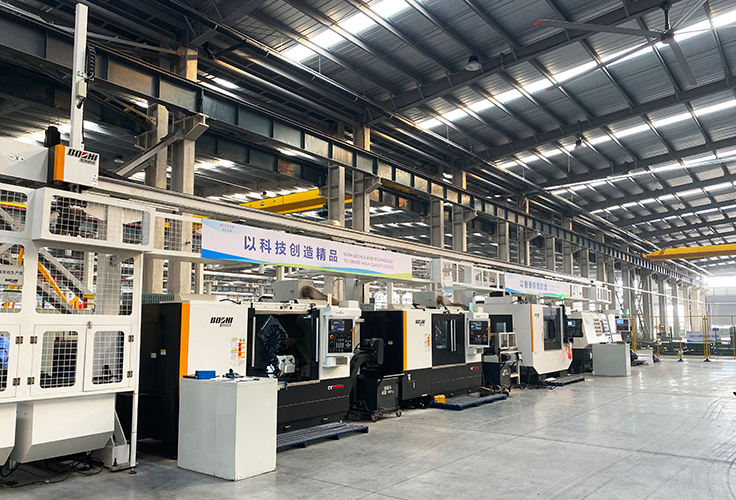
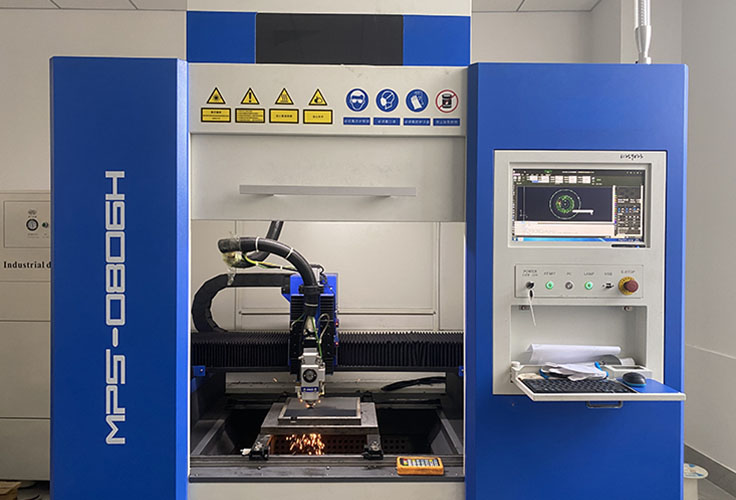
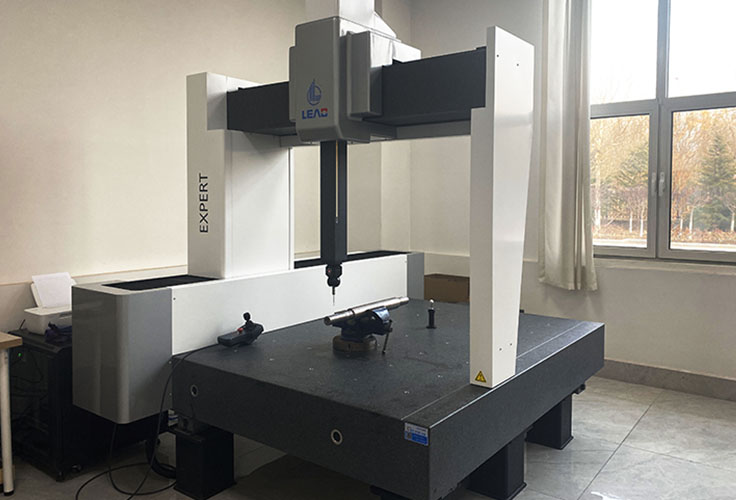
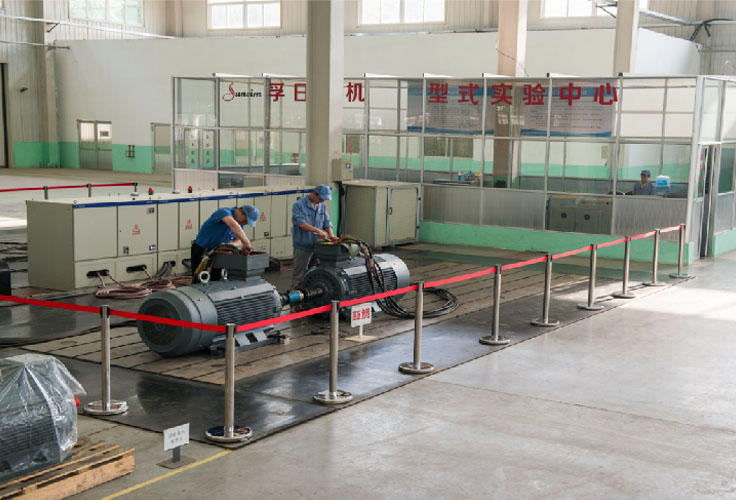
Precision manufacturing is essential for building high-efficiency electric motors. Minimizing shaft tolerances, reducing friction, and ensuring perfectly concentric assemblies directly impact energy efficiency. Our factory is equipped with advanced automated systems to ensure consistent build quality.
Entering international markets requires adherence to regional certifications. Beyond safety standards, industrial equipment must comply with regional efficiency and marine classification rules. Our products are fully certified to meet these diverse international requirements.

ISO9001: 2015
CE

UKCA
UL
SABS
CCS
ABS
DNV
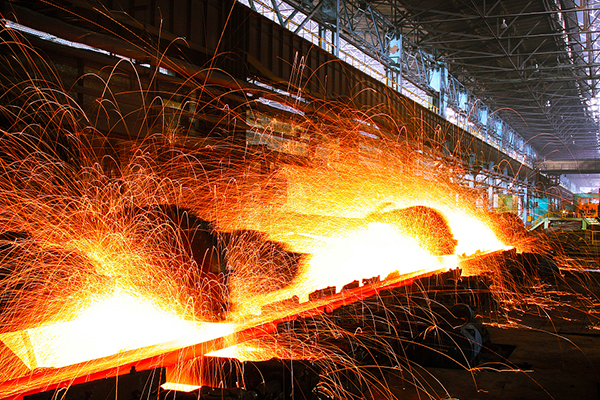
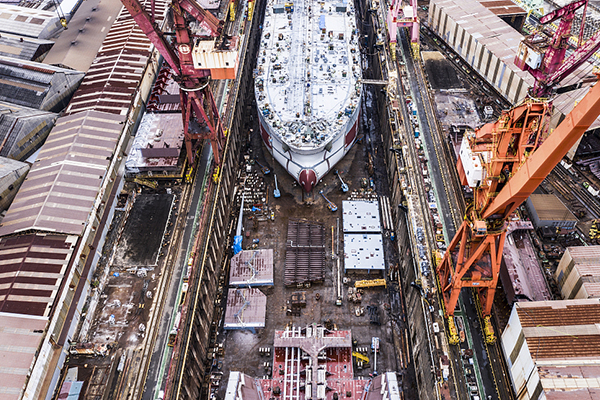
Sunvim motors are designed to operate reliably in highly demanding environments. Our custom configurations ensure durability in industries ranging from hazardous chemical plants to heavy-duty maritime transport.

As global supply chains face ongoing volatility, partnering with a financially stable supplier is essential for OEMs. China's industrial infrastructure offers significant advantages in component sourcing and production stability. At Sunvim Motor, we leverage these advantages to benefit our international clients through:
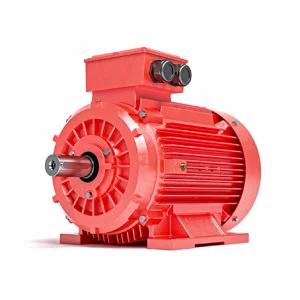
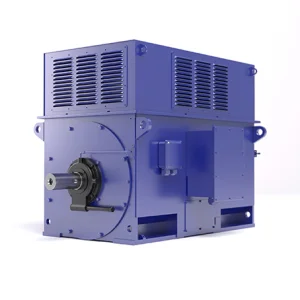
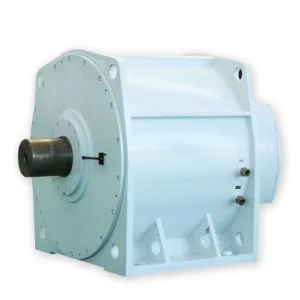
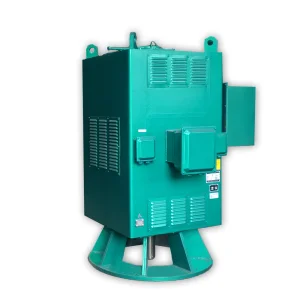
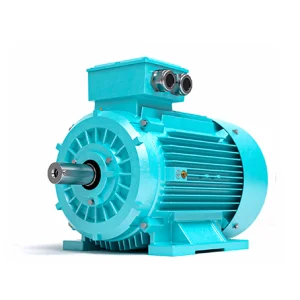
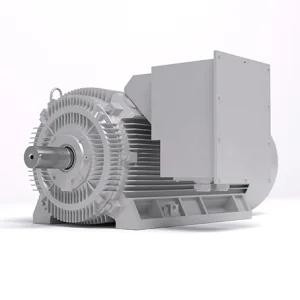
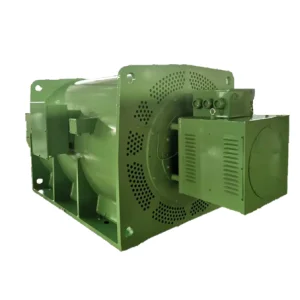
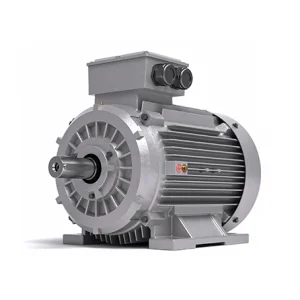
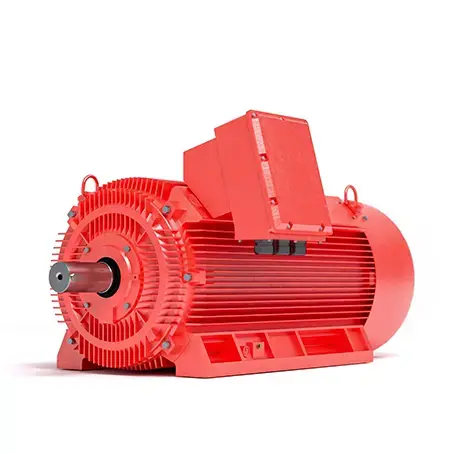
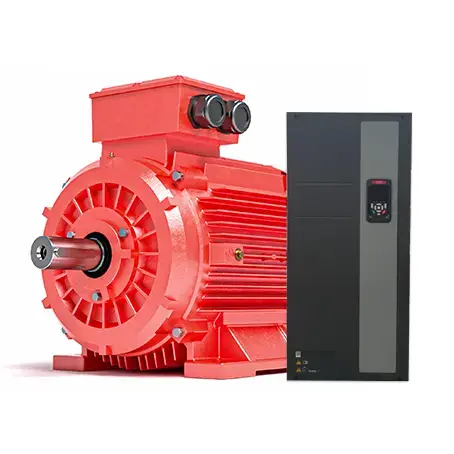
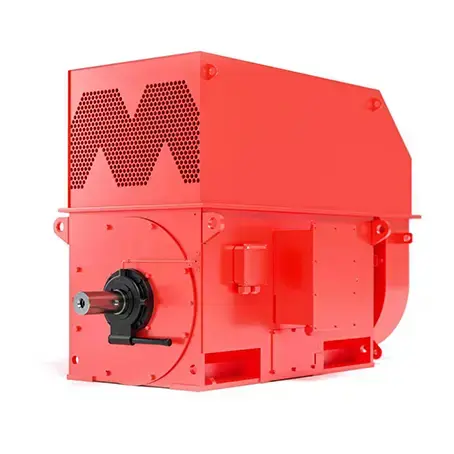
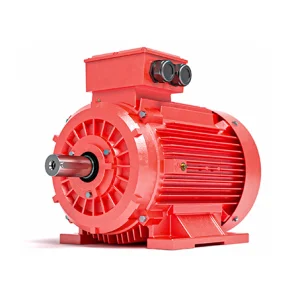
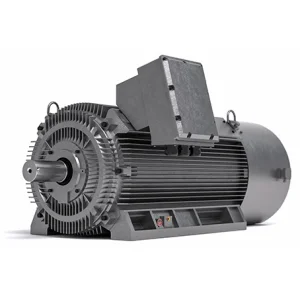
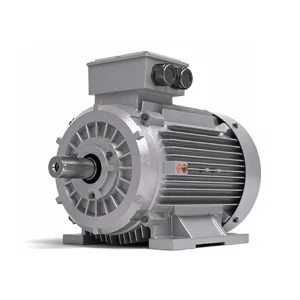
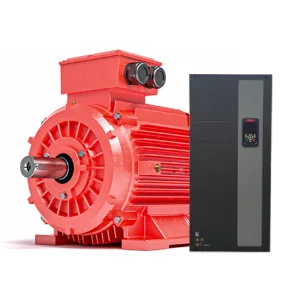
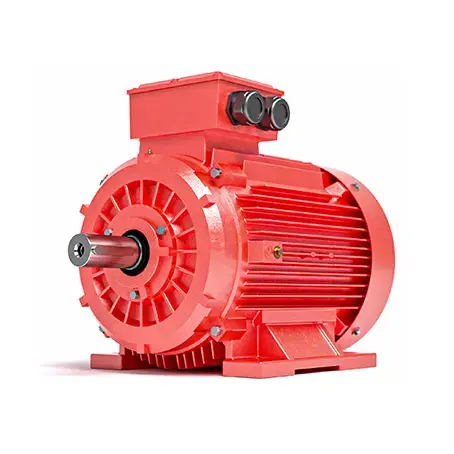
Our core range includes standard induction motors, high-torque industrial designs, and variable-speed systems built to demanding technical specifications.
The electric motor industry is transitioning toward digital integration and hyper-efficiency. Over the next decade, industrial requirements will move beyond simple rotational power to demand smart, connected propulsion systems. Our technical roadmap focuses on three main development vectors:
Future industrial applications will rely heavily on predictive maintenance. Integrating temperature sensors, vibration accelerometers, and acoustic detectors directly into the motor housing allows real-time health monitoring via Edge-computing systems. This enables maintenance teams to identify potential failures before unplanned downtime occurs.
As regulations tighten, IE5 efficiency will become the benchmark for continuous-duty industrial applications. Achieving these efficiency targets requires transitioning from traditional line-start induction configurations to advanced synchronous reluctance (SynRM) and PM technologies. Our design teams are actively refining stator slot profiles and rotor geometry to maximize flux density while reducing harmonic distortion.
Modern regulatory environments require a full life-cycle view of industrial assets. We are designing motors with disassemble-ready stators, enabling easier recycling of high-purity copper and electrical steel. Using sustainable varnish formulations and modular terminal box connections helps reduce the overall ecological footprint of our manufacturing process.
The core differences lie in their nominal efficiency levels, determined by their internal electrical losses. IE1 is standard efficiency, IE2 is high efficiency, IE3 is premium efficiency, and IE4 is super-premium efficiency. Higher efficiency is achieved through optimized slot designs, higher-purity copper windings, and advanced electrical steel laminations, which reduce operational heat and energy consumption.
Under the EU Ecodesign Regulation 2019/1781, standard line-operated motors from 0.75kW to 1000kW must meet at least IE3 efficiency. IE1 and IE2 motors are restricted to specific niche applications, such as emergency operations (e.g., fire pumps), motors fully integrated into machines where efficiency cannot be tested independently, or systems operating via Variable Frequency Drives (VFDs) under specific regional exemptions.
CE Certification indicates that the motor complies with all relevant European Directives, including the Low Voltage Directive (LVD 2014/35/EU), Electromagnetic Compatibility Directive (EMC 2014/30/EU), and Ecodesign Directives. Without CE marking, equipment cannot legally enter or be sold within the European Economic Area (EEA).
Marine environments subject motors to high humidity, salt corrosion, and structural vibration. Certifications from bodies like CCS (China Classification Society), ABS (American Bureau of Shipping), and DNV (Det Norske Veritas) verify that a motor's electrical insulation, bearing layout, frame casting, and thermal protection are designed to withstand marine duty cycles.
Sunvim offers over 60 years of manufacturing experience, backed by the financial resources of Sunvim Group. Our 68,000m² facility features automated shaft machining and advanced testing labs, producing up to 3 million kW of certified equipment annually. This integrated production setup ensures stable lead times and consistent product quality.
Select from our verified, CE-certified range of specialized industrial motor solutions.