 Sunvim Motor
Sunvim Motor
Sunvim Motor
Discover our engineered electric motor range integrated with advanced thermal protection switches and dynamic winding sensors.
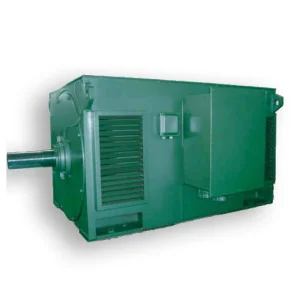
In modern industrial electromodulation, operational reliability hinges on thermal protection. Electric motors operate under severe electrical, mechanical, and ambient stresses. As global industries accelerate toward IE3, IE4, and IE5 ultra-premium energy efficiency standards, internal stator temperatures must be monitored with surgical precision. Overheating remains the single greatest catalyst for insulation breakdown, rotor bar failure, and catastrophic winding shorts. Partnering with top-tier motor thermistor suppliers and exporters ensures continuous operational security for heavy machinery.
Shandong Sunvim Motor Co., Ltd. integrates positive temperature coefficient (PTC) thermistors, negative temperature coefficient (NTC) sensors, and Platinum Resistance Temperature Detectors (Pt100/Pt1000 RTDs) directly into the overhang windings during the coil insertion stage. This whitepaper analyzes motor thermistor dynamics, industrial integration, China’s supply chain ecosystem, and future-ready diagnostic paradigms.
Standard bimetallic overload relays measure external line current. However, in variable frequency drive (VFD) environments, duty-cycle stall conditions, or high ambient humidity setups, phase current does not reflect localized stator hot spots. Thermistors embedded directly inside stator slots deliver direct thermal coupling, triggering tripping signals in milliseconds before dielectric insulation degrades.
Industrial electric motors rely on specific thermal sensing components tailored to operating environments:
Sunvim thermistors are encased in shrinkable PTFE sleeve materials rated for >2.5kV AC isolation test voltages to prevent line-to-sensor electrical breakdown.
Ultra-compact bead encapsulation yields thermal time constants ($\tau$) under 2.0 seconds, enabling fast detection during rotor lock or phase loss.
Vacuum Pressure Impregnation (VPI) compatibility protects sensors from moisture, chemical vapors, and thermal expansion fatigue.
Motor thermistors are tailored to demanding industrial applications, as demonstrated across Shandong Sunvim Motor Co., Ltd.'s global client deployments:
High-frequency switching inverter duty subjects motor stator windings to steep pulse-width modulation (PWM) voltage spikes ($dV/dt$) and parasitic harmonic heating. In YVF converter-fed installations, embedded triple-bead PTC thermistors monitor localized winding hot spots caused by non-sinusoidal currents, safeguarding motor operation across broad speed ratios (1:10 to 1:100).
In flammable hydrocarbon atmospheres, surface temperature limits must be strictly controlled. Thermistors function as intrinsically safe primary sensors, preventing motor surface temperatures from exceeding explosion-proof ignition classes (e.g., T4/T5 standards in mining crushers, slurry pumps, and chemical agitators).
Marine propulsion, bow thrusters, and deck winches endure high ambient humidity, salt spray, and extreme thermal variations. Certified under CCS, ABS, and DNV classification rules, Sunvim marine motors incorporate triple PTC thermistor sets vacuum-sealed in anti-corrosive insulation compounds to resist thermal-shock condensation.
Heavy machinery experiences frequent stall conditions, mechanical overloads, and high duty-cycle start/stops. Embedded thermistors protect slip ring motors, modular high-voltage units, and permanent magnet synchronous motors under heavy inertia loads.
Empowering Global Industries Through 60+ Years of Manufacturing Leadership & Advanced R&D Ecosystems.
With over 60 years of deep-rooted expertise in electric motor research, thermal protection integration, and high-precision manufacturing, Shandong Sunvim Motor Co., Ltd. represents the pinnacle of industrial innovation. Following a strategic corporate transformation in 2022, we established a modernized production ecosystem tailored for next-generation global industrial applications.
Backed by the resources of Sunvim Group—a multi-billion RMB industrial conglomerate—Sunvim Motor maintains financial stability, technical autonomy, and scalable manufacturing. Operating across 400+ sets of advanced production and testing machinery, our facility reaches an annual capacity of 3 million kilowatts.

Over 400 sets of precision CNC machinery, automated winding lines, laser cutters, and laboratory testing infrastructure guarantee product perfection.
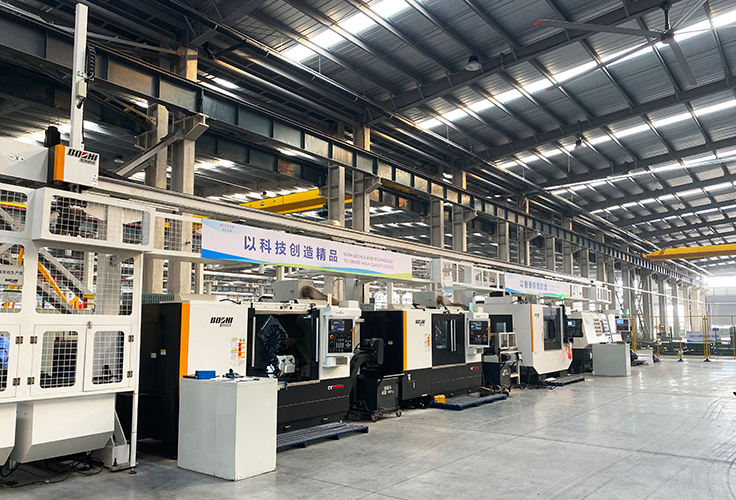
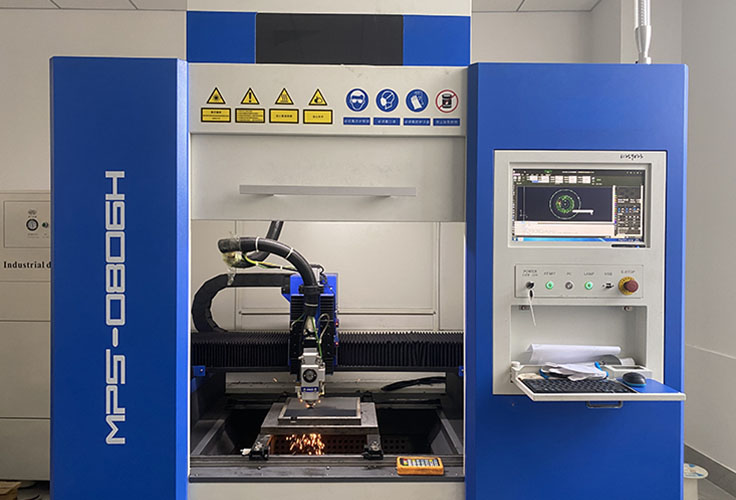
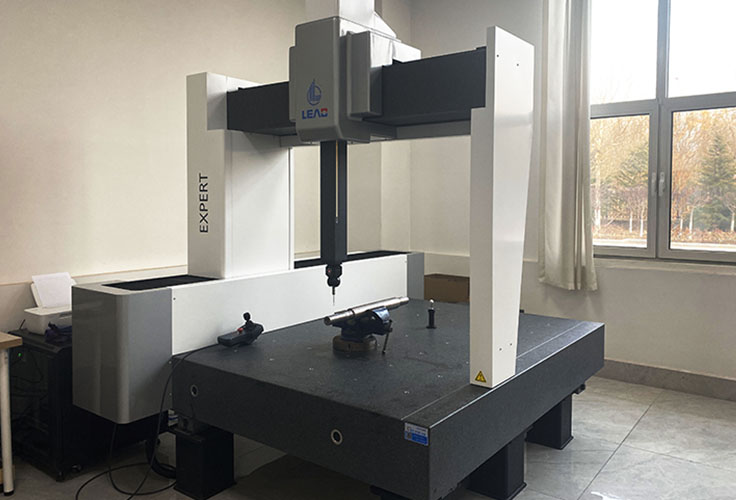
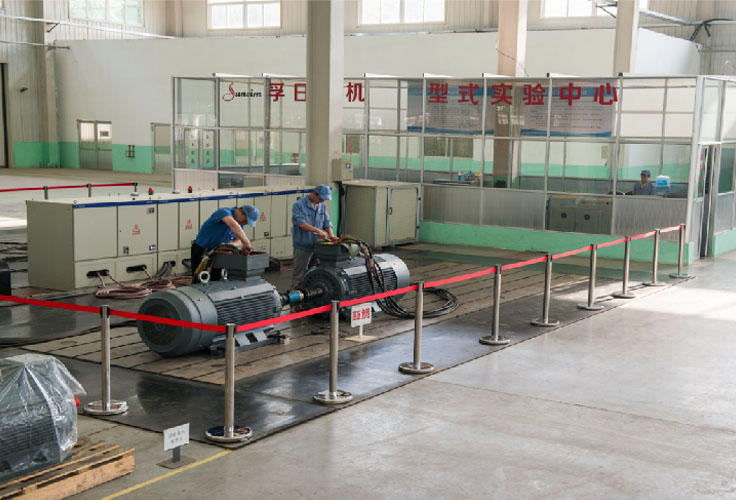
Engineered electric powertrains fitted with thermal monitoring solutions operating across demanding sector environments.


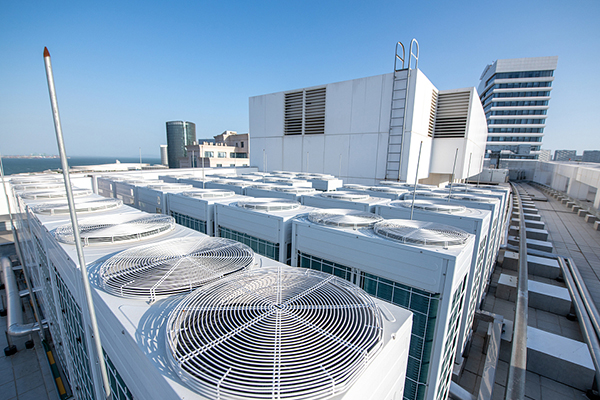


Global original equipment manufacturers (OEMs) and engineering procurement contractors (EPCs) operate in volatile market conditions. China's integrated electrical manufacturing ecosystem offers strategic supply chain advantages. Shandong Sunvim Motor Co., Ltd. leverages these advantages to maintain stable deliveries, consistent quality, and competitive cost structures.
Sunvim controls key production phases within our 68,000 m² industrial facility. From cold-rolled silicon steel lamination stamping and precision rotor shaft CNC turning to automated stator coil winding, VPI insulation dipping, thermistor embedment, and dynamic balancing, internal quality controls are maintained at every step.
Whether configuring custom PTC thermistor trip thresholds (120°C to 180°C), adding space heaters, retrofitting Pt100 RTD bearing sensors, or customizing flange mounts (B3, B5, B14, V1), Sunvim’s engineering team turns custom CAD models into functional prototypes rapidly.
Sunvim motors comply with rigorous global safety, quality, and maritime standards. Get to know the certificates held by Sunvim:
 ISO9001:2015
 CE Mark
 UKCA Compliance
 UL Recognized
 SABS Approved
 CCS Marine
 ABS Class
 DNV Certified
Our high-performance electric motors are trusted by global OEMs and industrial buyers across tier-1 international markets, including Germany, Italy, Greece, Spain, Belgium, Denmark, South Africa, Slovakia, Australia, Singapore, Indonesia, Malaysia, and Taiwan.
Motor temperature protection is evolving from reactive thermal tripping toward intelligent, predictive condition assessment. Sunvim’s technical roadmap integrates advanced sensing paradigms:
Technical insights on selecting motor thermistors, installation best practices, and enterprise capabilities.
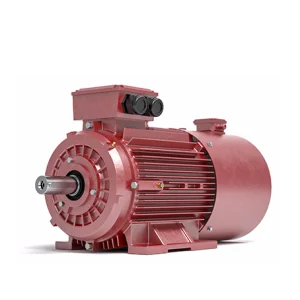
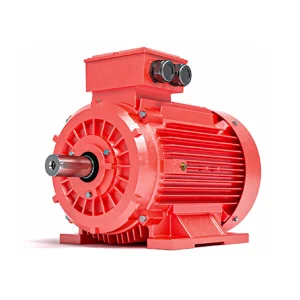
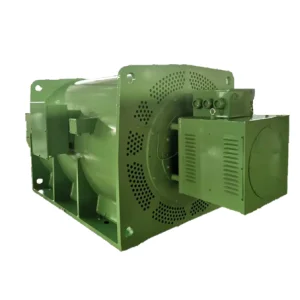
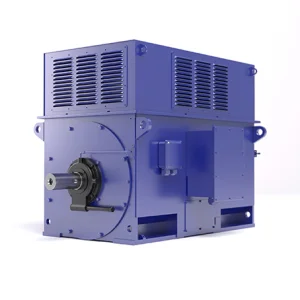
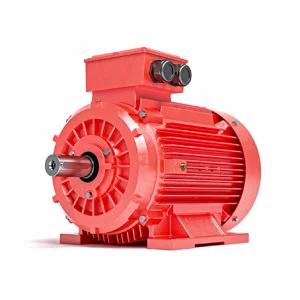
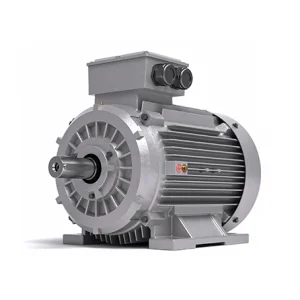
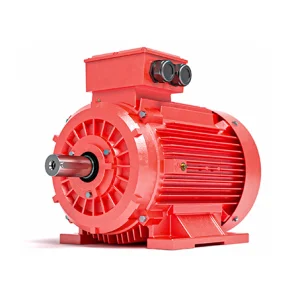
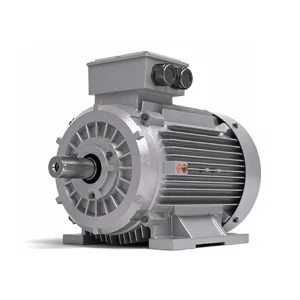
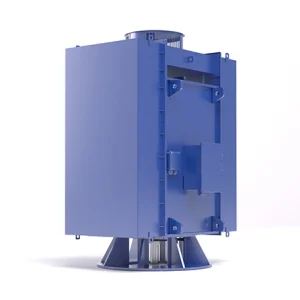
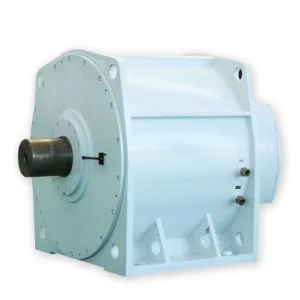
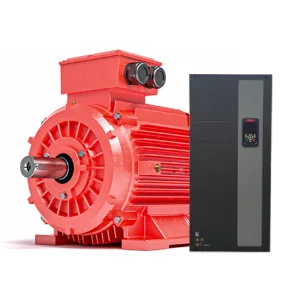
Explore our line of high-efficiency motors, permanent magnet synchronous units, and high-voltage industrial series.
Engineered thermal systems driving energy efficiency in modern manufacturing.
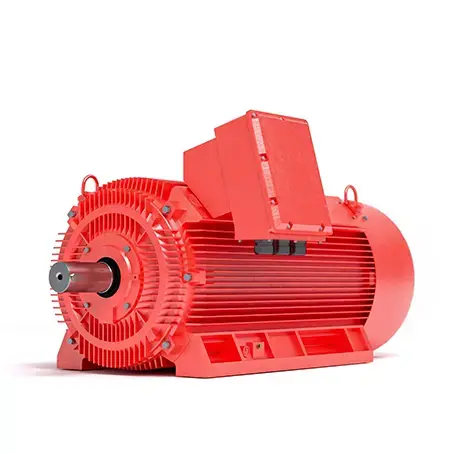
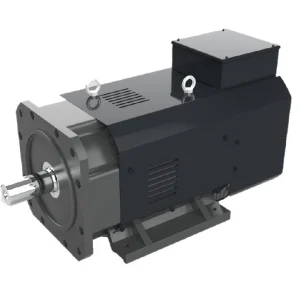
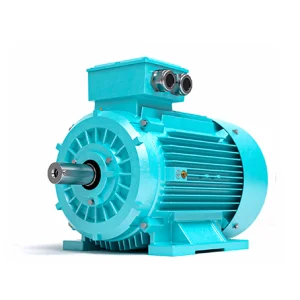
Delivering higher power density within compact frame sizes, integrated with direct-coil thermal sensors.
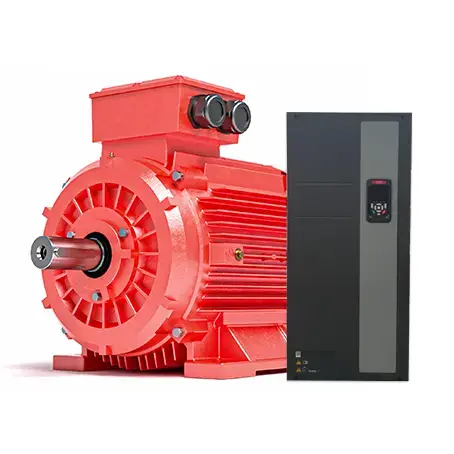
Rotor-cage free design offering IE5 ultra-efficiency without rare-earth magnet thermal risks.
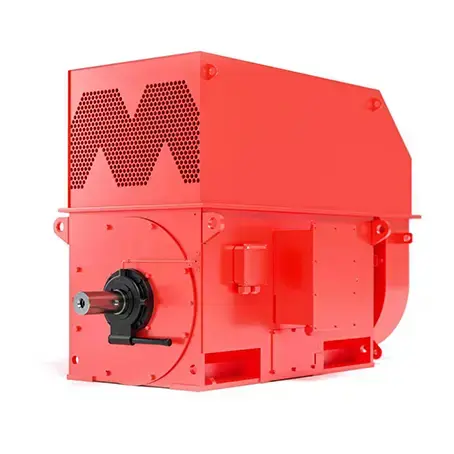
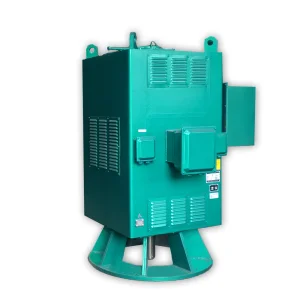
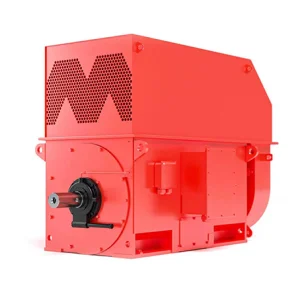
Heavy industrial induction motors featuring multi-channel Pt100 RTD bearing and winding sensors.