 Sunvim Motor
Sunvim Motor
Sunvim Motor
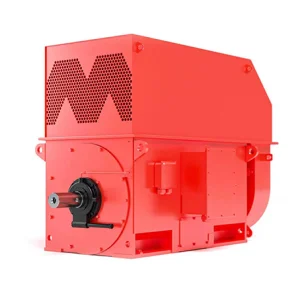
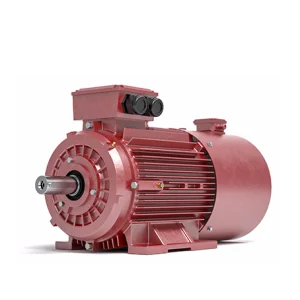
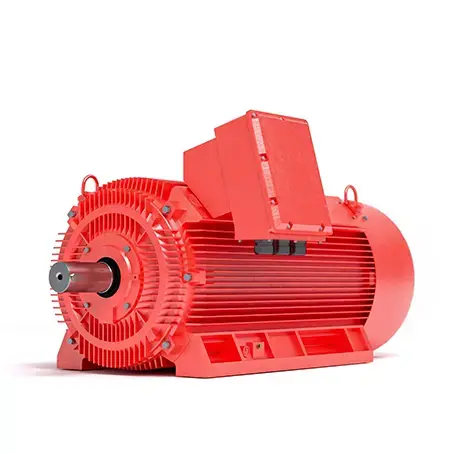
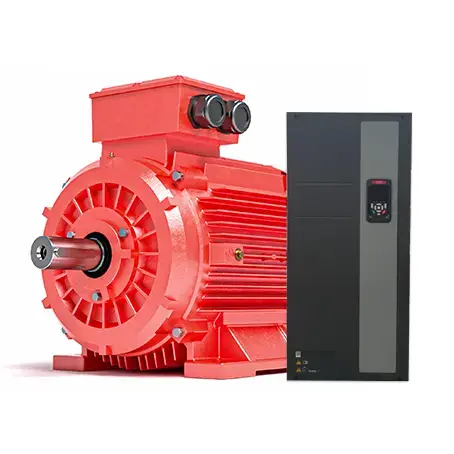
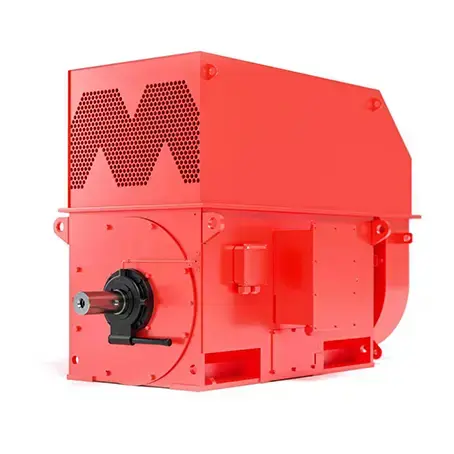
High efficiency synchronous and asynchronous motor lines developed for extreme duty cycles and optimized energy consumption profiles.
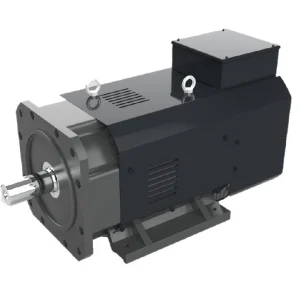
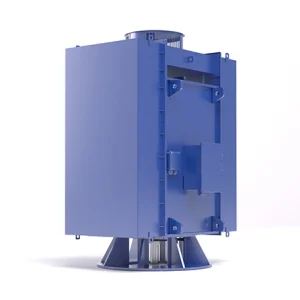
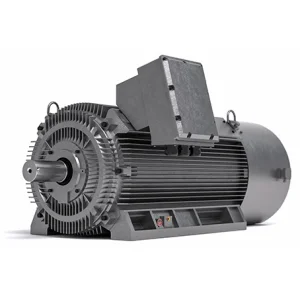
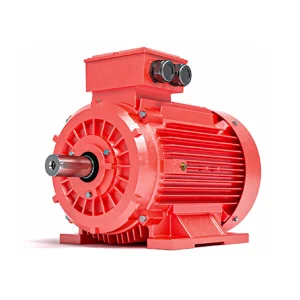
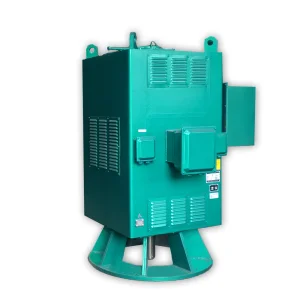
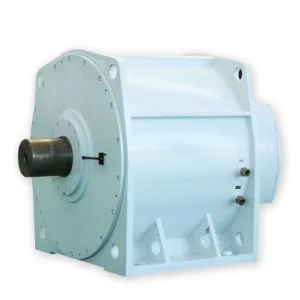
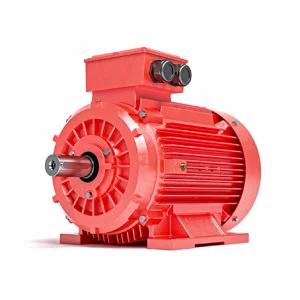
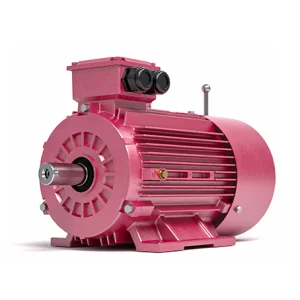
Shandong Sunvim Motor Co., Ltd. represents the absolute pinnacle of high-efficiency motor engineering, backed by our multi-billion RMB parent conglomerate Sunvim Group.
With over 60 years of deep-rooted expertise in electric motor research and manufacturing, Shandong Sunvim Motor Co., Ltd. represents the pinnacle of industrial innovation. Following a strategic corporate transformation in 2022, we have rapidly established a high-standard, modernized production ecosystem tailored for the future of global industry.
Driven by the excellence of Sunvim Group—a multi-billion RMB conglomerate—Shandong Sunvim Motor Co., Ltd. benefits from strong financial stability and strategic growth. Our expansive facilities house over 400 sets of advanced manufacturing, precision testing, and automated supporting equipment, driving an impressive annual production capacity of up to 3 million kilowatts. Today, Sunvim Motor has evolved into a premier enterprise seamlessly integrating R&D, world-class manufacturing, global distribution, and dedicated customer service.
Our high-performance electric motors are trusted by global OEMs and industrial buyers across premier markets, including Germany, Italy, Greece, Spain, Belgium, Denmark, South Africa, Slovakia, Australia, Singapore, Indonesia, Malaysia, and Taiwan.
From local manufacturing to a global leader in high-efficiency electric motors.
Gaomi Electric Appliance Factory was established, laying the groundwork for motor manufacturing expertise. Later renamed to Weifang Electric Machinery Factory in 1988.
Mr. Sun established Gaomi Towel Factory, building the core financial vehicle that would become the Sunvim Group conglomerate.
Weifang Electric Machinery Factory was acquired by Sunvim Group, forming Shandong Sunvim Electrical Machinery Co. Ltd.
Completed state-of-the-art production base in Sunvim Industrial Park, and officially renamed as Shandong Sunvim Motor Co. Ltd. to pursue global high-efficiency (IE3/IE4/IE5) initiatives.
In the contemporary industrial arena, electric motors consume over 53% of global electrical energy, serving as the mechanical muscle behind pumps, fans, compressors, conveyors, and heavy industrial processes. Consequently, optimizing motor efficiency is no longer simply a tactical operational choice, but a strategic macroeconomic imperative. Regulatory bodies across key jurisdictions—including the European Union (under Ecodesign Regulation 2019/1781) and the United States (DOE mandates)—have codified the absolute transition from legacy, inefficient machines to IE3 (Premium Efficiency), IE4 (Super Premium), and the pioneering IE5 (Ultra Premium) topologies.
To understand the breakthrough capabilities of high-efficiency ("Eff") motors, design engineers must analyze the primary electromagnetic and mechanical loss categories within standard asynchronous designs:
While traditional induction motors continue to anchor heavy-duty operations due to their unparalleled ruggedness, the absolute boundary of high efficiency is increasingly defined by **Permanent Magnet Synchronous Motors (PMSM)** and **Synchronous Reluctance Motors (SynRM)**. Permanent magnet motors deploy high-remanence Neodymium-Iron-Boron (NdFeB) magnet systems directly inside or onto the rotor. This configuration eliminates rotor I²R losses, ensuring highly precise speed control and unmatched torque density even under partial load profiles. In parallel, SynRM technology represents a revolution by leveraging reluctant torque via anisotropic rotor laminate profiles without rare-earth dynamic components, lowering thermal operating stresses.
Over 400 sets of advanced tooling and metrology systems ensure structural integrity and sub-micron machining tolerances across all motor components.
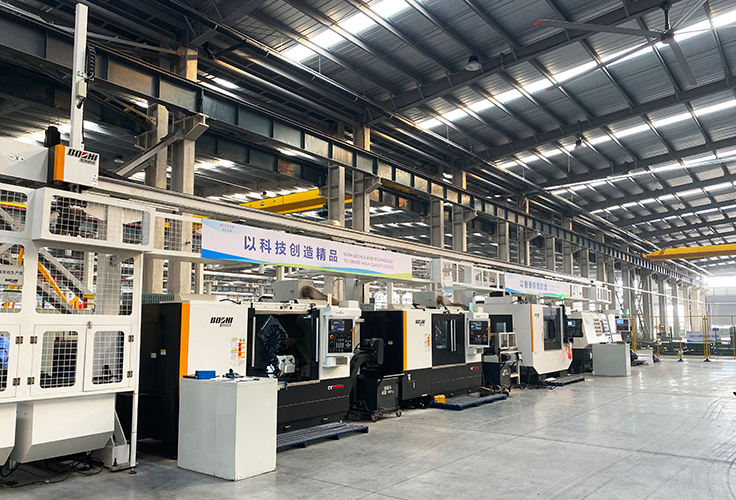
Continuous automated turning and precision grinding units guarantee concentricity tolerances of less than 3 microns, drastically reducing vibrational degradation under high dynamic stress.
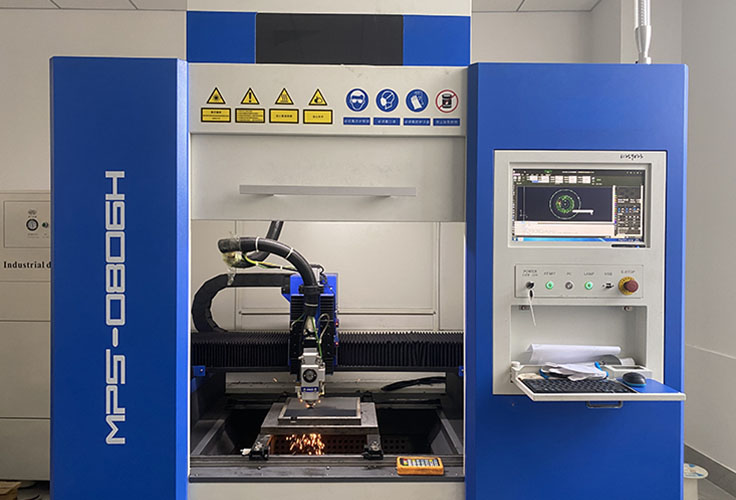
Enables highly accurate punching and slicing of stator and rotor laminations, eliminating mechanical edge burrs that can generate micro eddy currents and thermal spots.
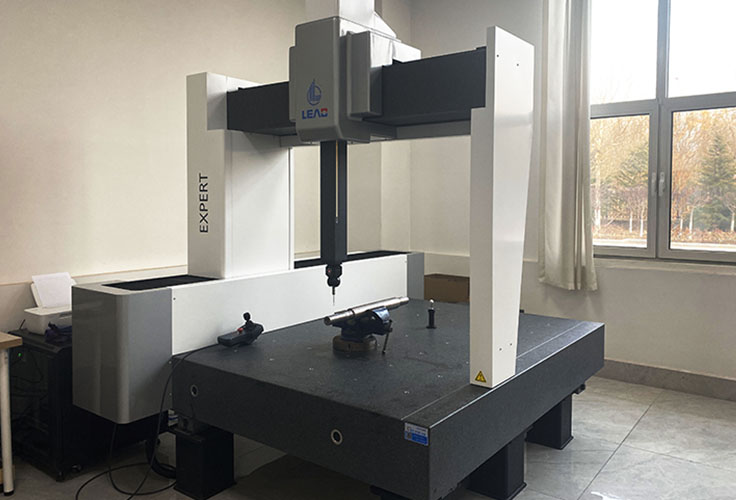
Provides sub-micron volumetric inspections of custom mechanical end shields, stator housings, and shaft profiles to ensure long-term bearing alignment and dynamic reliability.
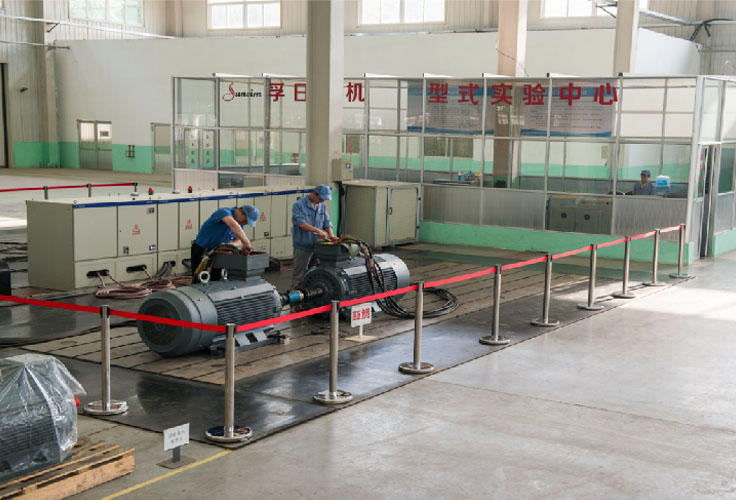
Sunvim Type Test Center: Advanced dynamometers monitor high-power mechanical outputs, thermal limits, harmonic feedback, and torque curves in real time.
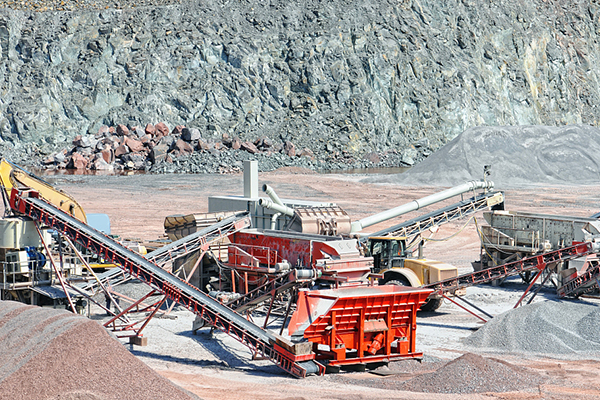
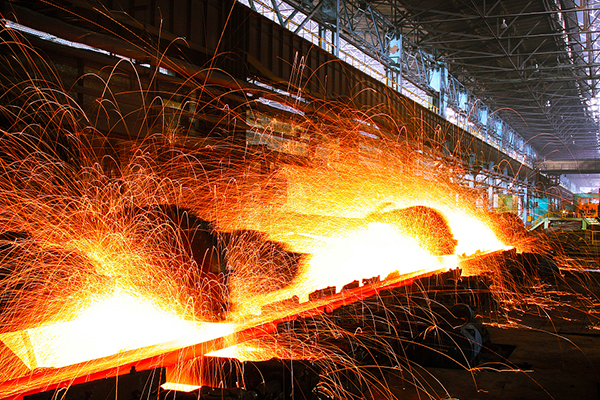
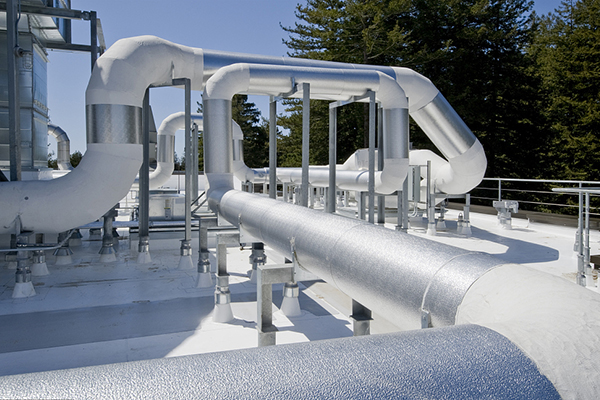
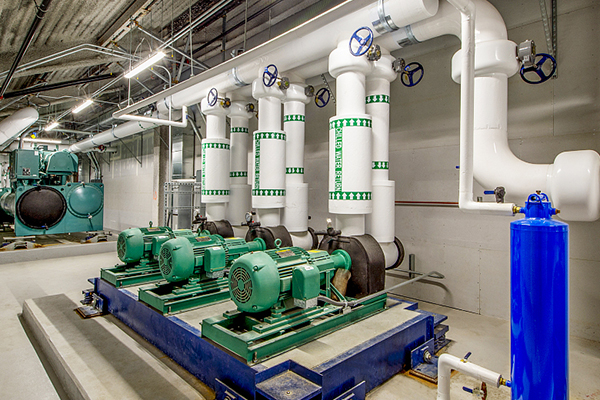
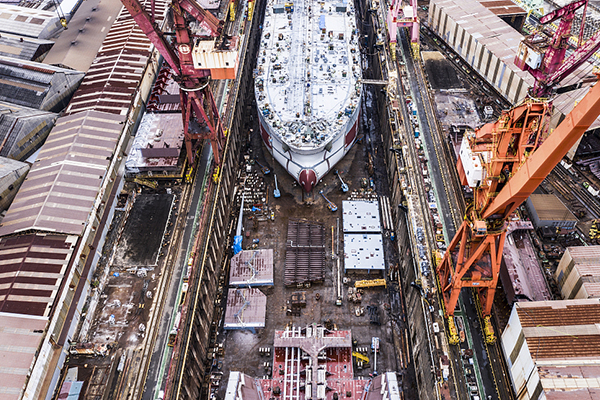
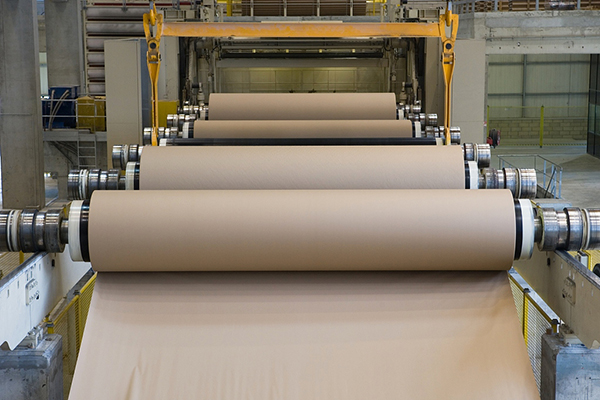
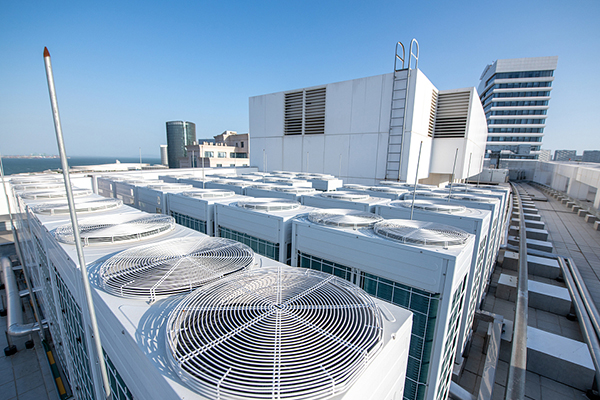
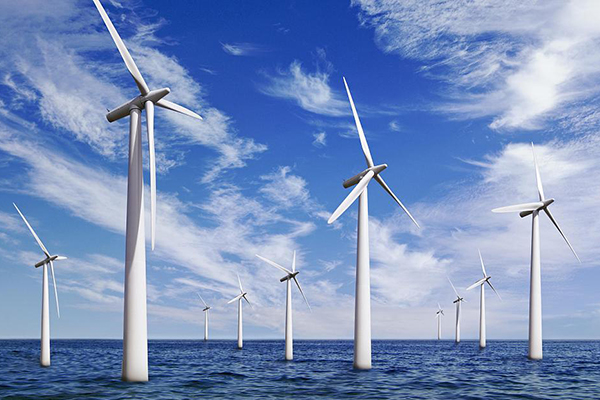
Electric motors must withstand severe environment-specific stressors. Sunvim designs distinct solutions to match aggressive ambient operations.

Sunvim's design engineering complies with diverse international standards, backed by major certification registries across the Americas, Europe, Africa, and global marine organizations.

ISO9001:2015
CE Mark

UKCA Approval
UL Listed
SABS Approved
China Classification Society
American Bureau of Shipping
DNV Marine Certification
As dynamic energy grids transform toward integrated digitization, Sunvim's R&D department is pursuing a clear technology roadmap that prioritizes **three core pillars**: material structural refinement, permanent magnet integration, and digital diagnostic sensing.
Traditional stator steel generates mechanical flux limitations due to crystallographic imperfections in the carbon alloy grid. Sunvim is currently collaborating with domestic metallurgists to prototype extreme high-induction, super-thin 0.2mm silicon steel sheets. Reducing lamination thickness directly decreases eddy current losses, paving the way for ultra-low losses under high frequencies. In tandem, high-pressure rotor casting techniques prevent interior dynamic air pockets, enhancing rotor structure integrity.
Geopolitical fluctuations and raw material processing costs challenge the long-term reliability of NdFeB magnets. Sunvim's technological pipeline is highly focused on developing high-output Synchronous Reluctance Motors. By altering stator geometry and maximizing slot-fill ratios, these designs generate highly concentrated magnetic paths, achieving IE5 efficiency targets without standard permanent magnet materials.
Future smart factories demand predictive maintenance models. Sunvim is introducing integrated smart diagnostic nodes directly into the terminal box assembly. These nodes feature triaxial MEMS vibration sensors, thermal RTD probes, and phase-current signature analysis metrics. By feeding operational indicators straight to a decentralized control system, facilities can identify bearing alignment deviations, stator winding wear, and insulation degradation weeks before dynamic breakdown occurs.
Answers to critical questions regarding system commissioning, insulation systems, and dynamic performance of high-efficiency motor fleets.
Variable Frequency Drives (VFDs) generate high-frequency voltage reflection pulses (dV/dt) that stress the insulation system. High-efficiency motors, particularly in long cable runs, must utilize class H or Class F insulation systems featuring corona-resistant copper wire. In addition, dynamic shaft grounding rings or hybrid ceramic bearings should be integrated to eliminate localized EDM (Electrical Discharge Machining) currents that cause premature bearing pitting.
The stator slot-fill ratio represents the total volumetric proportion of copper wire relative to the raw spatial opening inside the lamination slot. High-quality automated insertion technologies enable Sunvim to achieve slot-fill ratios exceeding 78%. By optimizing this metric, dynamic winding resistance is significantly reduced, minimizing stator I²R thermal dissipation losses.
In heavy industrial installations, small rotor eccentricities generate significant dynamic forces proportional to the square of operational velocity. At 3000 RPM, a minor unbalance causes large centrifugal forces, leading to accelerated bearing fatigue, shaft deflection, and uneven stator-rotor magnetic gaps. Sunvim dynamically balances all rotors to ISO G1.0 quality grades using multi-plane dynamic testing centers.
Marine environments expose rotating equipment to persistent salt-spray corrosion, high ambient humidity, and pitch-and-roll mechanical dynamics. Sunvim marine motors are built with high-tensile cast iron frames and feature IP56 ingress ratings, anti-condensation space heaters, offshore-grade triple-epoxy exterior paint, and heavy-duty grease-lubricated bearings configured to withstand constant dynamic tilt angles up to 22.5 degrees.
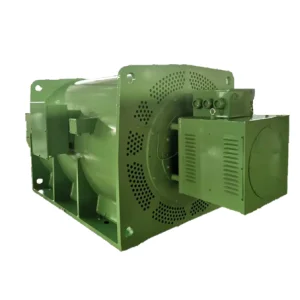
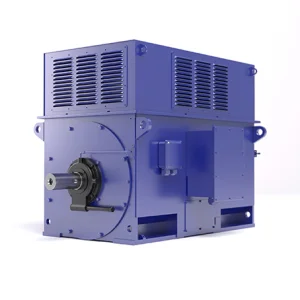
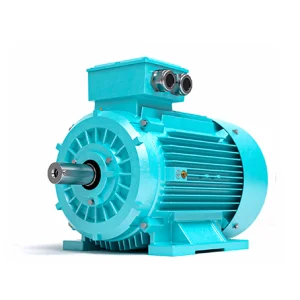
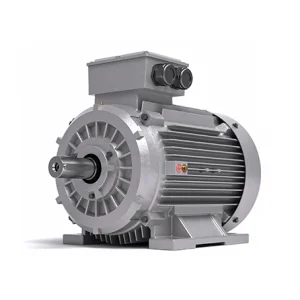
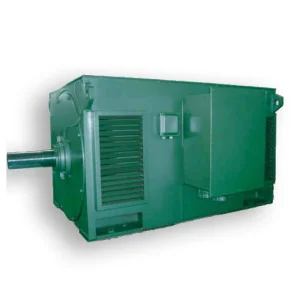
From modular configurations to high-voltage induction frames, our catalog is designed to handle demanding industrial operational requirements.