 Sunvim Motor
Sunvim Motor
Sunvim Motor
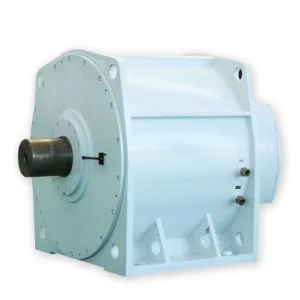
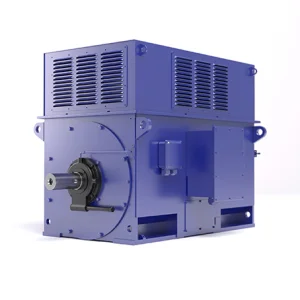
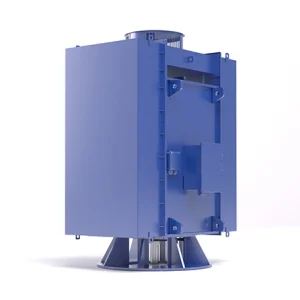
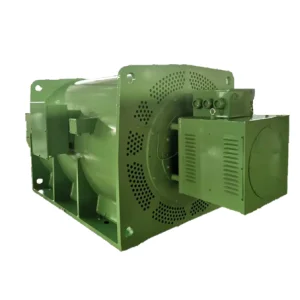
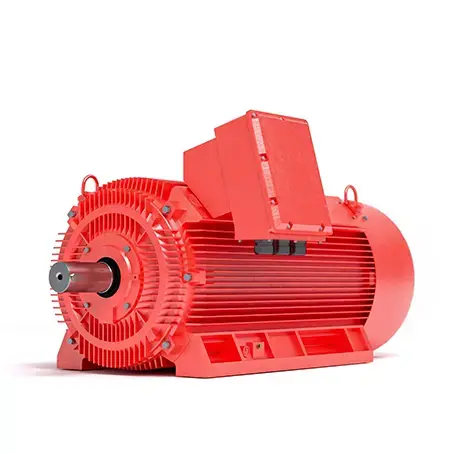
Heavy-duty, high-efficiency industrial motors designed to withstand transient peaks and continuous mechanical overloads.
In modern industrial applications, electric motors (often termed the "engines" of production lines) regularly confront severe operational loads that exceed their nominal design ratings. Selecting an experienced OEM engine overload supplier involves evaluating how a manufacturer addresses the thermodynamic and mechanical stresses of temporary and continuous motor overloads.
Motor overload occurs when current draw exceeds the rated current capacity, leading to rapid heat generation within the stator windings. According to Joule's Law ($P=I^2R$), heat dissipation needs escalate quadratically with current. Without proper thermal insulation class design, structural components can suffer premature failure. Premium OEM suppliers mitigate this through:
Utilizing high-grade class F (155°C) and Class H (180°C) thermal insulation materials with a Class B temperature rise design. This margin protects stator windings from rapid degradation during transient overloads.
Customizing motors to feature Service Factors ranging from 1.15 to 1.25. This lets the motor run continuously at 115% to 125% of its rated horsepower without winding insulation damage.
Precision-engineered electromagnetic designs optimize core length and copper winding density, enhancing thermal inertia to slow down heat build-up under sudden load spikes.
Worldwide industrial operations are transitioning toward smarter, more automated environments. With this shift, the cost of unexpected down-time has reached new highs. Heavy equipment operators in mining, marine, steel milling, and petrochemical plants require motors that function reliably even when processing variations cause torque peaks.
Decarbonization and Energy Efficiency: While high efficiency is critical (IE3, IE4, and IE5 efficiency standards), matching high efficiency with robust overload capability is a complex engineering task. High-efficiency motors tend to run cooler, which naturally provides some thermal headroom. However, dynamic loads require specific rotor designs—such as permanent magnet synchronous rotors or converter-fed systems—to deliver high starting torque and manage transient electrical overloads without losing synchronization or overheating.
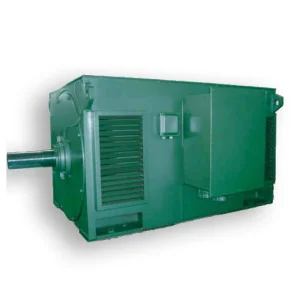
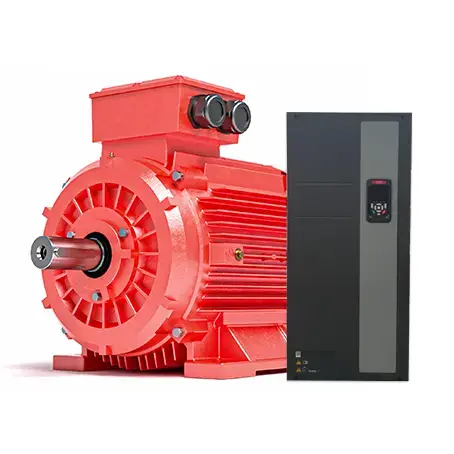
VFD Harmonics & Converter Integration: Variable Frequency Drives (VFDs) are increasingly common in modern plants. They allow precise motor speed control, but they also introduce high-frequency harmonics and voltage peaks. These electrical disturbances can cause local overheating and put extra stress on insulation systems. Heavy-duty converter-fed motors (like our YVF series) are specifically engineered with reinforced winding insulation and shaft-current grounding systems to prevent bearing erosion and thermal issues under VFD-induced overload conditions.
Procurement teams and plant managers evaluate industrial motor suppliers on more than just the initial price tag. They analyze factors that influence total cost of ownership (TCO) and long-term reliability. To meet global compliance requirements, electric motors must feature certifications that reflect rigorous quality control standards.
Key procurement considerations include:
Backed by the resources of the multi-billion RMB Sunvim Group, Shandong Sunvim Motor Co., Ltd. integrates motor research, development, and manufacturing. Following our strategic facility upgrades in 2022, we built a modernized motor production base designed to meet advanced global industrial requirements.
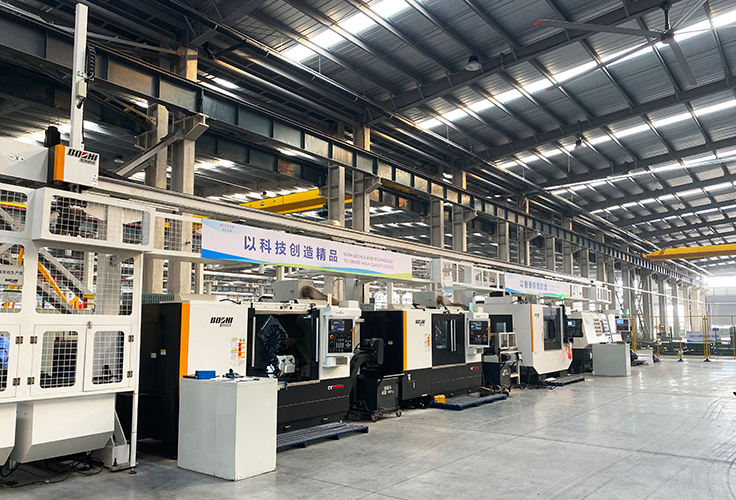
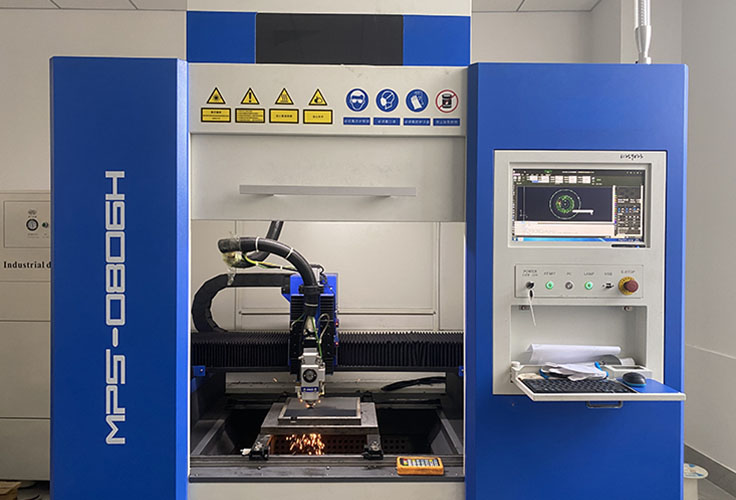
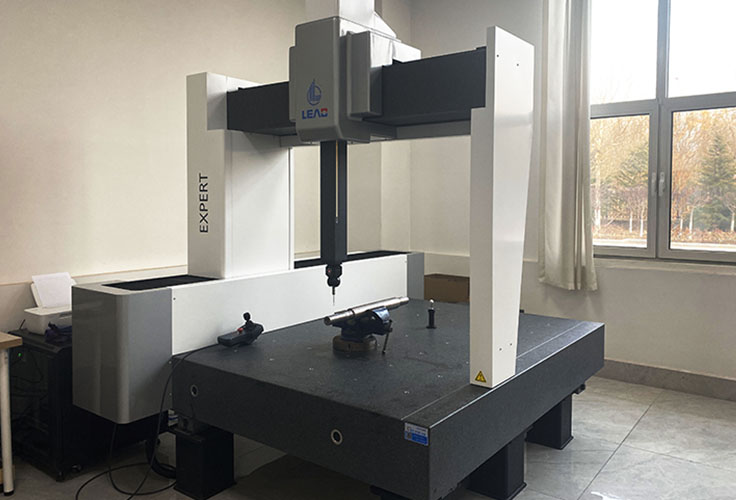
Our production facilities house over 400 sets of advanced manufacturing, precision testing, and automated supporting equipment. This advanced setup allows us to manufacture highly reliable motors with an annual output capacity of up to 3 million kilowatts.
Established Gaomi Electric Appliance Factory, laying the foundation for our motor manufacturing expertise. Later renamed Weifang Electric Machinery Factory in 1988.
Mr. Sun, our former director, transitioned to establish the Gaomi Towel Factory, which served as the operational predecessor to the modern Sunvim Group.
Weifang Electric Machinery Factory was integrated into the Sunvim Group, establishing Shandong Sunvim Electrical Machinery Co. Ltd.
Completed a new facility inside the Sunvim Industrial Park, transitioning to our current corporate structure as Shandong Sunvim Motor Co. Ltd.
Our modern manufacturing facility utilizes smart manufacturing concepts to maintain cost efficiency while meeting high quality standards. By integrating automation, automated quality inspection, and structured inventory management, we maintain control over production costs and lead times.
From stator lamination punching to rotor shaft machining, coil winding, impregnation, and performance testing, we manage core production steps in-house to protect product quality and control component costs.
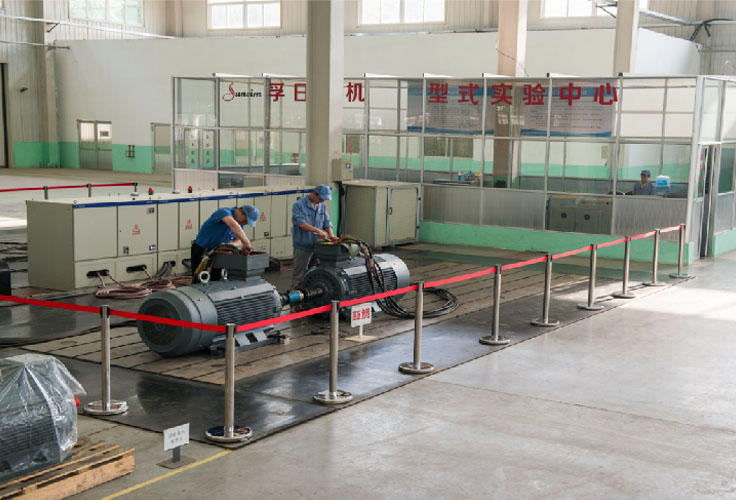
Every motor undergoes comprehensive testing in our type test center, validating insulation resistance, high-voltage tolerance, no-load current draw, and vibration levels before leaving the factory.
Located in Shandong, we leverage a robust regional industrial supply chain. This helps us secure raw materials like high-grade silicon steel sheets and high-purity copper wires with short lead times, stabilizing our production schedules.
Our motors are certified by international testing agencies, allowing them to meet regulatory and performance standards in global markets including Germany, Italy, Spain, South Africa, Australia, and Singapore.

ISO9001: 2015
CE

UKCA

UL

SABS
CCS
ABS
DNV
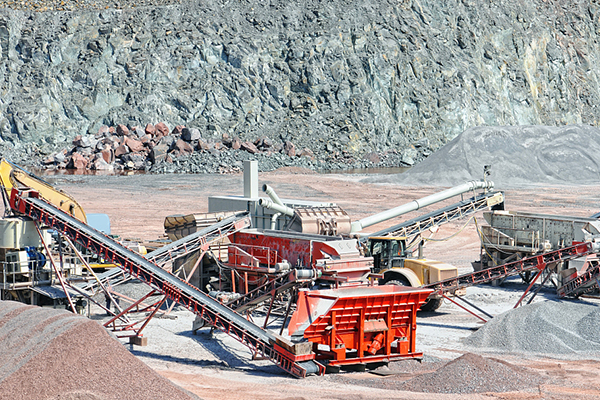
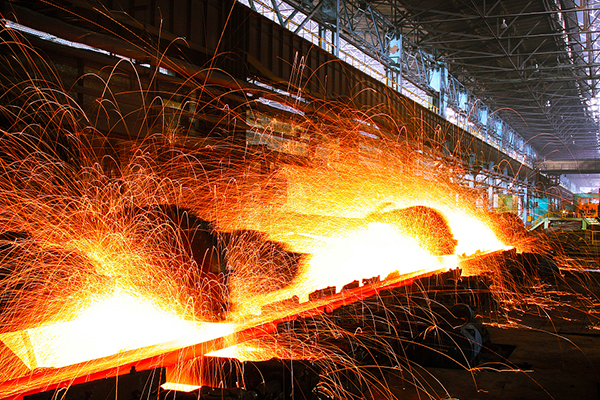
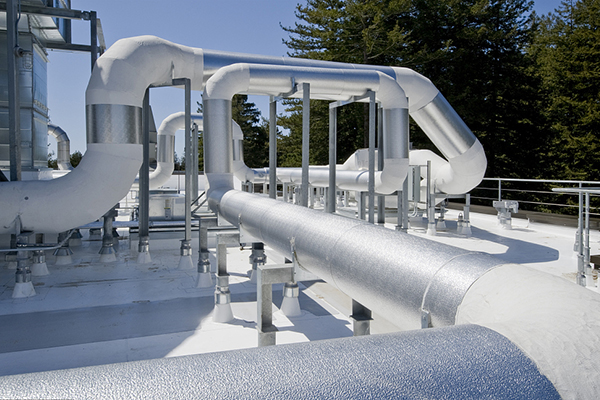
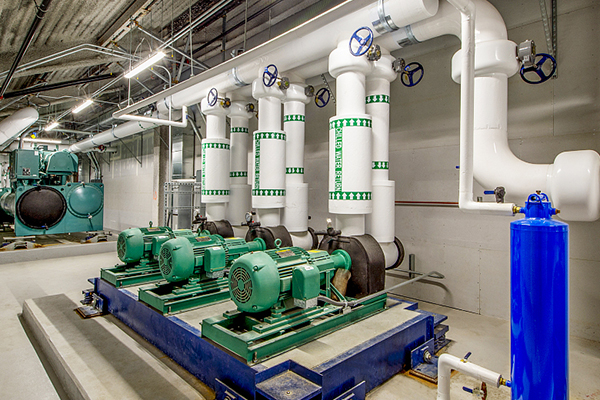
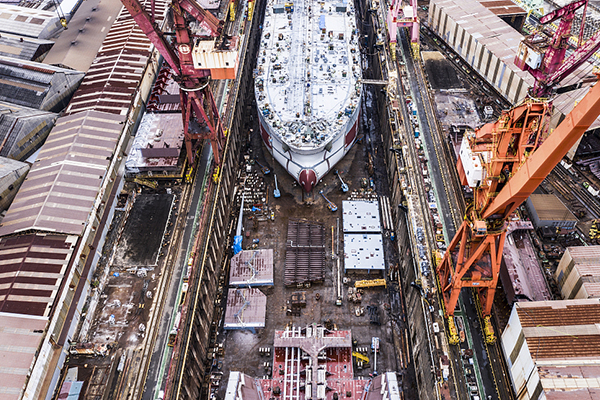
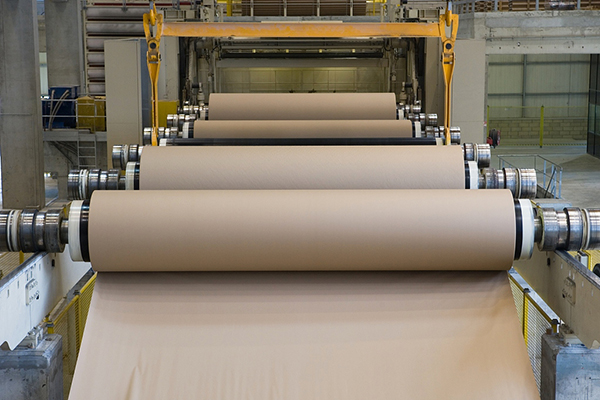
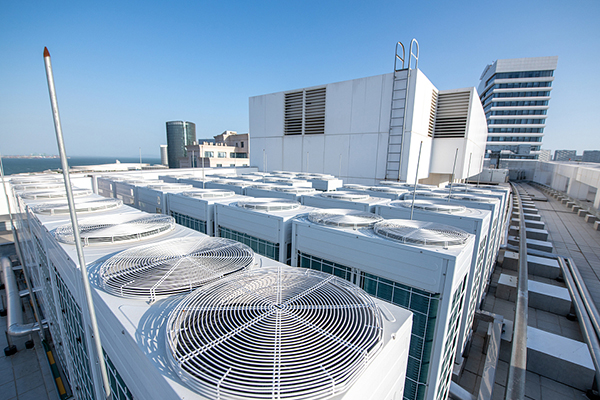
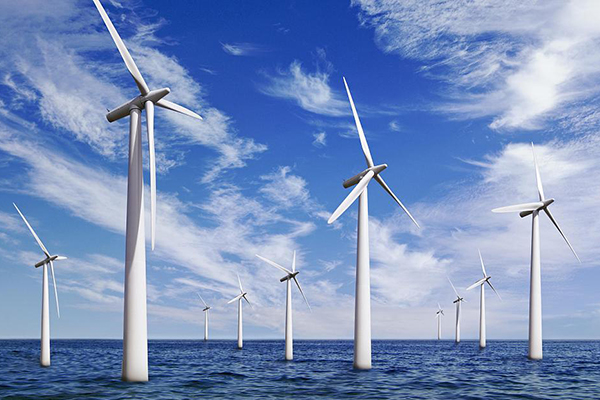
Our heavy-duty motors are engineered to operate reliably in harsh, high-overload conditions across a variety of demanding industrial sectors:

Overload capacity represents a motor's ability to operate above its rated output power for temporary periods without suffering structural damage or insulation breakdown. It is determined by the stator's thermal mass, the cooling system's heat dissipation rate, and the rotor's electromagnetic design. High-capacity motors feature specialized Class H or F insulation systems to withstand the temperature spikes associated with transient mechanical loads.
A Service Factor of 1.15 indicates that the motor can handle a continuous overload of up to 15% above its rated capacity under standard operating conditions. This built-in margin helps absorb unexpected process surges or voltage fluctuations, reducing the risk of thermal shutdown and extending overall service life.
VFD-fed motors, like the YVF series, are built to handle the extra electrical stresses introduced by variable speed control. They feature reinforced insulation systems to withstand high voltage spikes (dV/dt) and insulated bearings to prevent electrical pitting. This design allows the motor to maintain thermal stability when operating at low speeds or under high-torque, high-overload conditions.
We perform comprehensive testing at our type test center, including full-load heat run tests, locked-rotor tests to evaluate starting torque performance, and overspeed tests. This verification process ensures that every motor meets thermal, mechanical, and electrical performance standards before shipment.
For marine, shipbuilding, and offshore applications, our motors can be supplied with marine society certifications, including DNV, ABS, CCS, and SABS. These models feature specialized anti-corrosion coatings and reinforced mechanical frames to withstand offshore conditions.
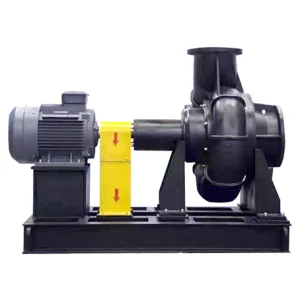
High-power, low-maintenance motors and heavy pump components designed for processing industries.