 Sunvim Motor
Sunvim Motor
Sunvim Motor
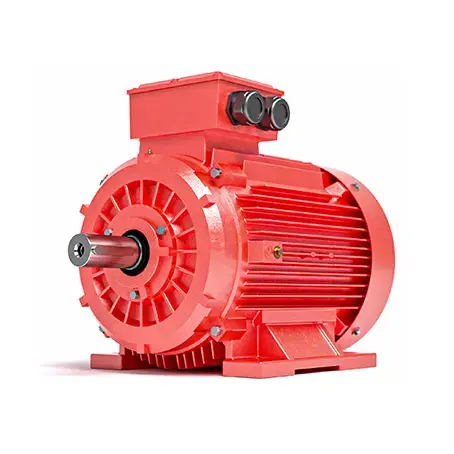
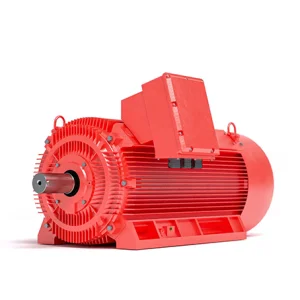
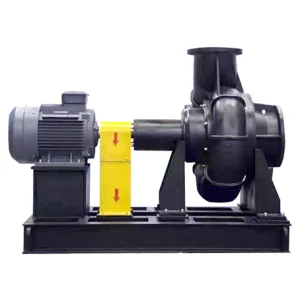
Discover our foundational range of heavy-duty, low-loss asynchronous induction motors, marine application units, and special-purpose pump assemblies. Engineered under rigorous quality control standards, each product minimizes no-load current losses to achieve optimum energy conservation profiles across dynamic operating envelopes.
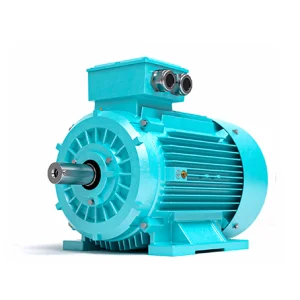
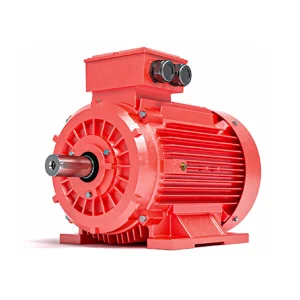
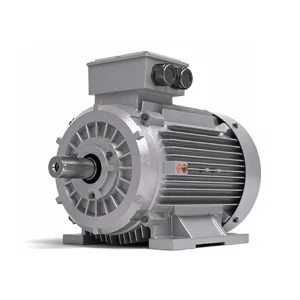
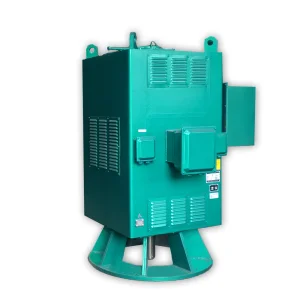
In high-performance electrical engineering, the design profile of an induction or synchronous motor is intrinsically linked to its performance under varying operational loads. One of the most telling indexes of mechanical precision, stator design quality, and overall electrical performance is the no-load current ($I_0$). No-load current refers to the current consumed by an electric motor when operating at rated voltage and frequency but without any output load on its shaft. It represents the magnetizing current ($I_m$) required to establish the rotating electromagnetic field in the air gap, combined with the core loss component ($I_c$) that compensates for eddy current and hysteresis losses in the iron core.
Minimizing this specific parameter without compromising torque capacity remains a primary challenge for modern global manufacturers. An excessively high no-load current indicates excessive stator slot geometry air gaps, inadequate magnetic core permeability, or high copper winding resistance. All of these factors systematically drag down the operating power factor ($\cos\phi$) of industrial plants under light loads, inflating energy tariffs and placing high reactive loads on the power grid. As a leading OEM No-Load Current Manufacturer, Shandong Sunvim Motor Co., Ltd. applies advanced manufacturing technology to optimize the iron-to-copper ratios of industrial motors, guaranteeing an optimized cost-to-performance profile.
The total current vector during no-load operation is represented mathematically as:
I₀ = √(I_m² + I_c²)
Where:
By leveraging premium, high-permeability cold-rolled non-oriented silicon steel sheets and optimizing the slot geometry, our engineering team consistently reduces $I_m$ and $I_c$, yielding industrial motors that operate at unparalleled efficiency margins.
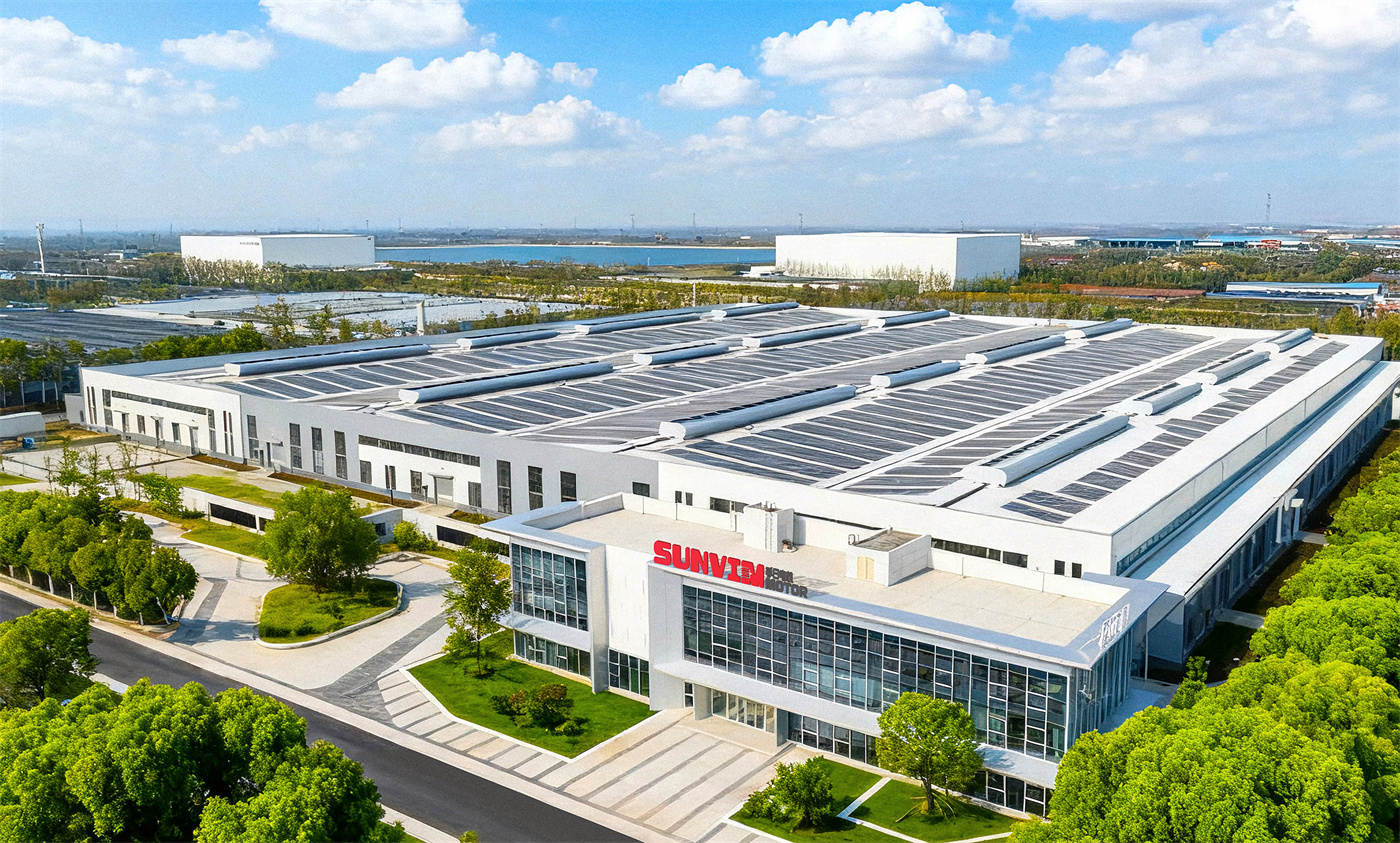
With over 60 years of deep-rooted expertise in electric motor research and manufacturing, Shandong Sunvim Motor Co., Ltd. represents the pinnacle of industrial innovation. Following a strategic corporate transformation in 2022, we have rapidly established a high-standard, modernized production ecosystem tailored for the future of global industry. Backed by the powerful resources of Sunvim Group—a multi-billion RMB conglomerate—Shandong Sunvim Motor Co., Ltd. benefits from strong financial stability, continuous capital reinvestment, and robust R&D support.
Our expansive facilities house over 400 sets of advanced manufacturing, precision testing, and automated supporting equipment, driving an impressive annual production capacity of up to 3 million kilowatts. Driven by the excellence of Sunvim Group, the SUNVIM brand has earned widespread international recognition. Our high-performance electric motors are trusted by global OEMs and industrial buyers across premier markets, including Germany, Italy, Greece, Spain, Belgium, Denmark, South Africa, Slovakia, Australia, Singapore, Indonesia, Malaysia, and Taiwan.
The key to achieving ultra-low no-load current signatures lies in tight mechanical tolerances and precise component alignment. A larger air gap between the stator laminations and the rotor core requires a significantly higher magnetizing current to bridge the magnetic circuit. To control this variable, Sunvim has invested extensively in top-tier machining and measuring technologies.
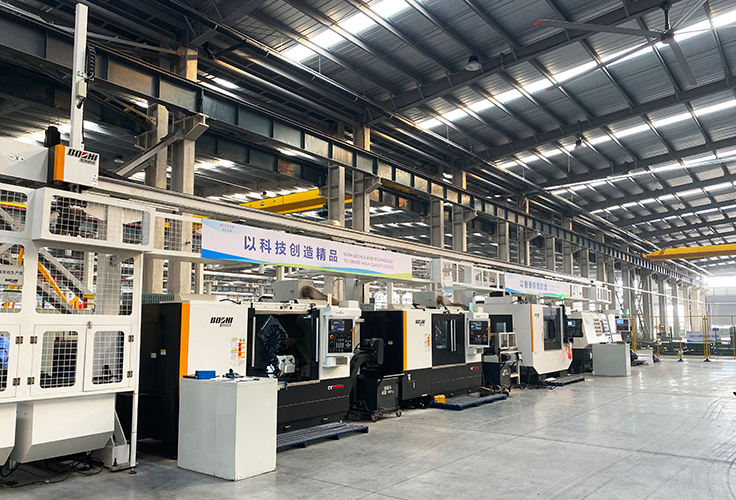
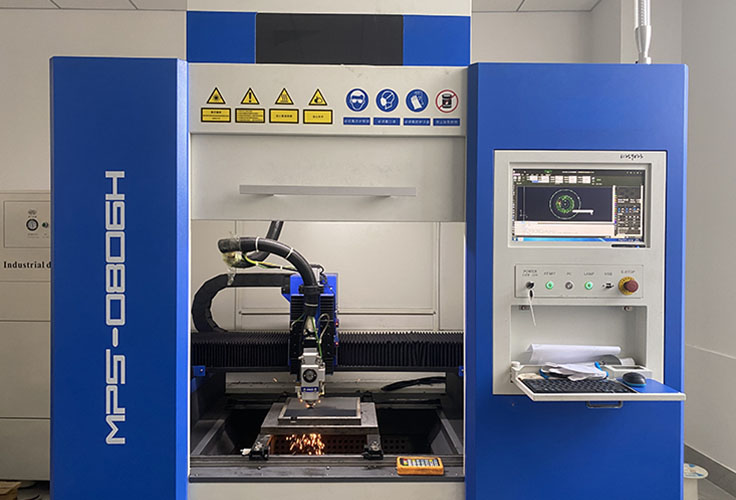
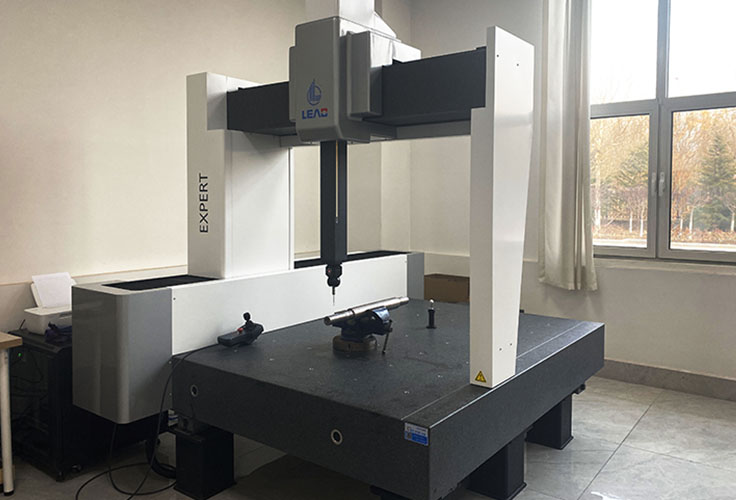
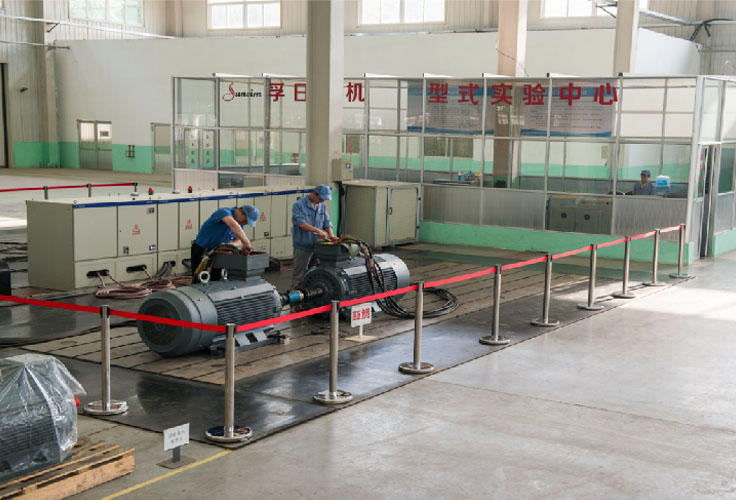
Sunvim Motor's development timeline is a testament to sustainable scaling and strategic acquisitions, positioning us uniquely as a robust supply chain partner for custom OEM motor requirements globally.
Gaomi Electric Appliance Factory was established, setting the technical foundation. Later in 1988, renamed Weifang Electric Machinery Factory.
Mr. Sun, then the factory director, left Gaomi Electric Appliance Factory to set up Gaomi Towel Factory, which served as the structural predecessor of the Sunvim Group.
Weifang Electric Machinery Factory was acquired by Sunvim Group, leading to the establishment of Shandong Sunvim Electrical Machinery Co., Ltd.
A brand new, high-capacity factory was completed within the Sunvim Industrial Park, and the company was renamed Shandong Sunvim Motor Co., Ltd.
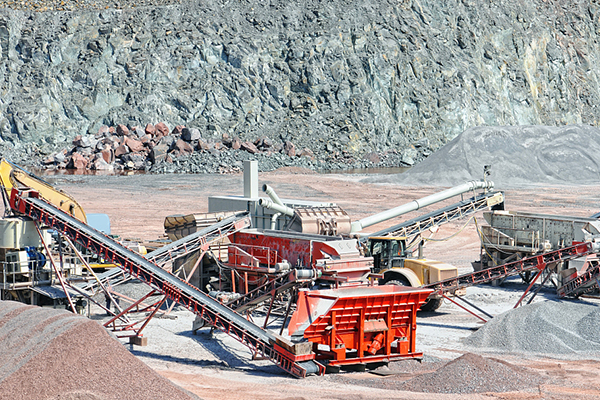
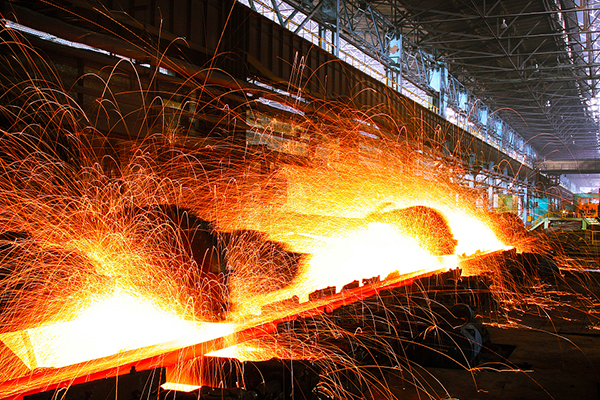
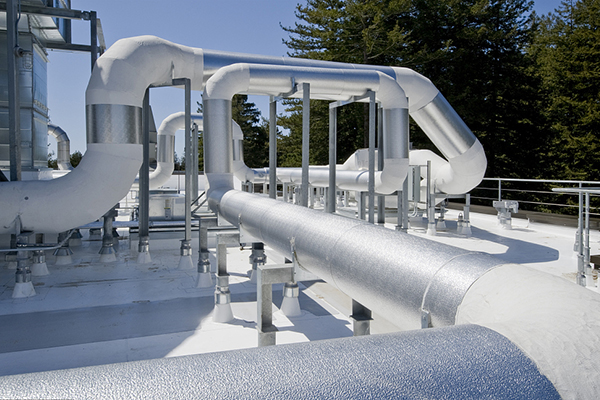
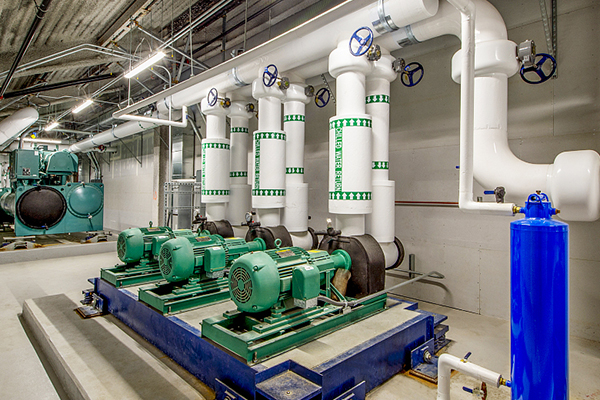
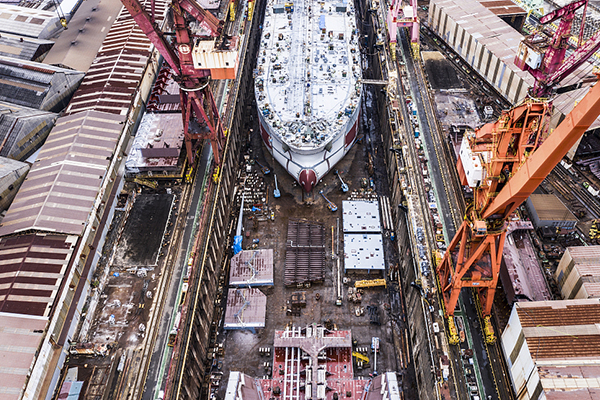
High-efficiency motors are not isolated components; they form the backbone of massive mechanical processes across various industries. Modern procurement requirements demand motor models that balance thermal performance with minimized idle power consumption. When facilities operate pumps, fans, and compressors on duty cycles with varying loads, a lower no-load current directly translates into significant cost savings over time. Below are the core industrial sectors where Shandong Sunvim Motor's optimized electromagnetic solutions are widely applied:
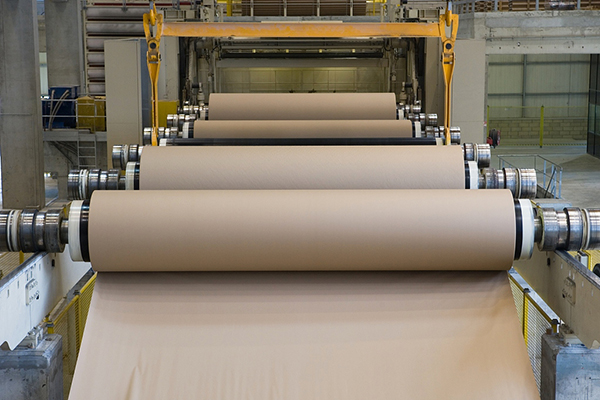
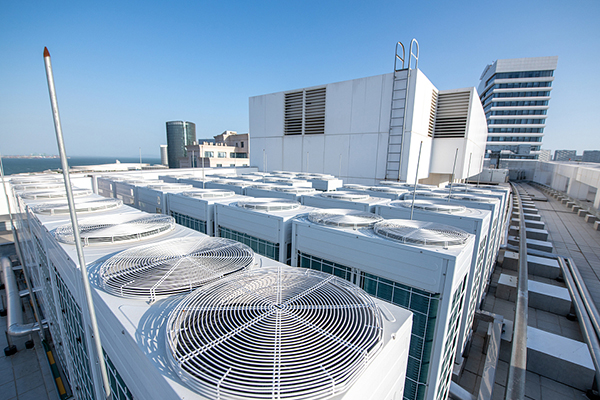

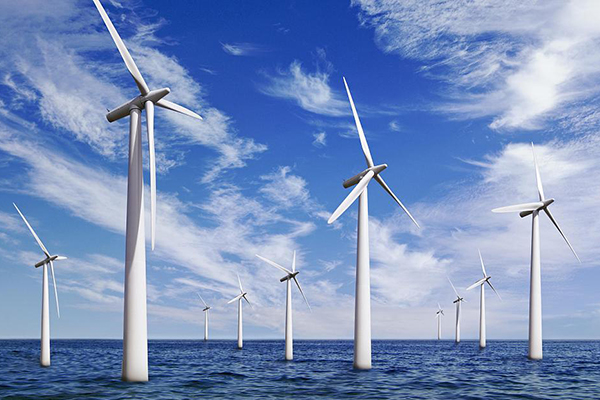
When selecting low-excitation, high-efficiency motors, procurement managers must understand that pricelist scaling is fundamentally dictated by materials science and manufacturing complexity. Standard motors utilize low-grade silicon laminations and loose tolerances, keeping the initial cost down but yielding high no-load currents and poor efficiency profiles.
In contrast, Shandong Sunvim Motor designs high-output models using premium raw materials and tight tolerances. The table below illustrates how different stator and rotor materials affect motor pricing and the resulting no-load current percentage (relative to full-load current):
| Motor Series | Material Core Grade | Air Gap Range (mm) | Typical No-Load Current (% of $I_n$) | Pricelist Factor (Baseline IE1 = 1.0) | Primary Industrial Use Case |
|---|---|---|---|---|---|
| IE1 Standard Asynchronous | Cold Rolled Steel (Generic) | 0.45 - 0.70 | 45% - 55% | 1.0 (Baseline) | Intermittent auxiliary duty cycle |
| IE3 Premium Efficiency | DW310 / High-Silicon Lamination | 0.30 - 0.45 | 32% - 40% | 1.30x - 1.45x | Continuous ventilation, water pumping |
| IE4 Super Premium | DW270 / Thin Lamination | 0.25 - 0.35 | 28% - 35% | 1.55x - 1.70x | Compressors, heavy conveyors |
| Permanent Magnet Sync (PMSM) | Rare Earth NdFeB + DW250 | 0.15 - 0.25 | 12% - 20% | 2.10x - 2.45x | Precision servo, dynamic speed control |
Our OEM manufacturing process addresses this relationship by optimizing stator winding placement. By employing computerized sinusoidal concentric windings and vacuum pressure impregnation (VPI) with Class F & H varnishes, we ensure maximum copper packing density. This reduces winding impedance, helps dissipate heat, and controls the magnetizing flux density ($B_m$) within the ideal saturation limits of 1.5 to 1.6 Tesla, preventing the sudden spikes in no-load current commonly seen in lower-grade alternatives.
Navigating global grid demands requires adherence to regional certifications. Our industrial motors are manufactured to meet diverse international standards, ensuring smooth integration and compliance across various regulatory environments. We supply full technical dossiers, including type test reports from our state-of-the-art testing facility, to facilitate approvals in key global markets.





For standard three-phase induction motors (0.75 kW to 375 kW), the no-load current typically ranges from 20% to 50% of the rated full-load current. Smaller motors and those with higher pole numbers (e.g., 6-pole or 8-pole configurations) exhibit higher percentages due to their larger magnetizing field requirements. Our IE3 and IE4 series minimize this range to 25%–35% through stator core optimizations.
This increase usually stems from changes in the winding geometry, using a slightly smaller wire gauge, or accidental damage to the stator lamination insulation during stripping. If the core laminations are exposed to excessive heat during insulation removal, the inter-lamination resistance drops, resulting in significantly higher eddy current losses and a higher overall no-load current ($I_c$).
While a smaller air gap reduces magnetizing current ($I_m$) and improves the power factor, it increases the risk of rotor-stator rub if bearing wear occurs. To balance this, we utilize three-dimensional coordinate measuring instruments and precision shafts machined on automatic CNC lines, allowing us to maintain a consistent air gap of 0.25mm to 0.4mm without sacrificing safety margins.
At zero load, the motor does not perform real work, meaning the active current component ($I_c$) is very small compared to the magnetizing reactive current ($I_m$). Consequently, the no-load power factor is extremely low (often between 0.1 and 0.2). Lowering the magnetizing current component helps raise the power factor across the entire load curve, especially during partial-load operations.
Yes. VFDs utilize V/Hz curves to scale down the voltage supplied to the motor during low-load periods. Reducing the stator voltage lowers the magnetic flux density, which decreases the magnetizing current ($I_m$) and core losses ($I_c$). This improves overall system efficiency under light load conditions.
To provide an accurate quote, our engineering team needs details on the rated output power (kW), operating voltage/frequency, target efficiency class (IE3/IE4/PMSM), mounting configuration (B3, B5, B35), environmental requirements (IP ratings, explosion-proof needs), and target no-load current limits.
For complex heavy-duty applications requiring speed control, high voltage operation, or slip-ring mechanics, explore our modular slip-ring and converter-fed solutions. These units are engineered for demanding environments where starting current spikes and power quality are critical operational factors.
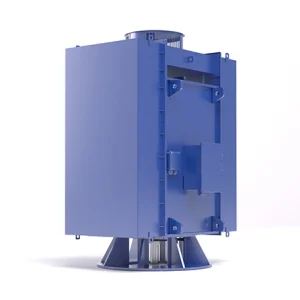
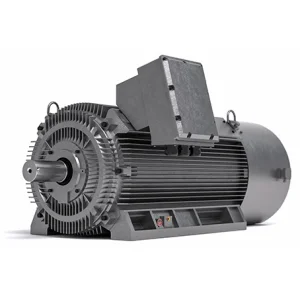
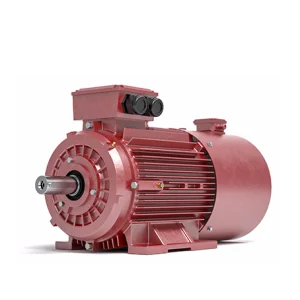
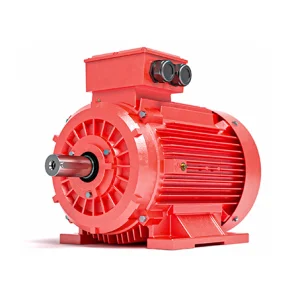
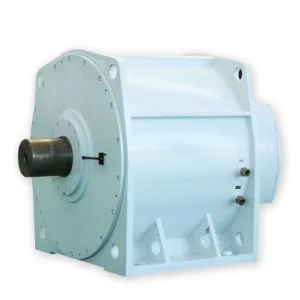
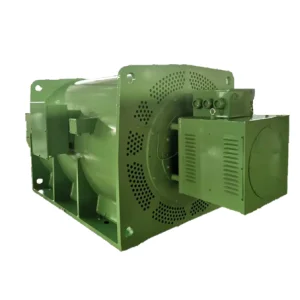
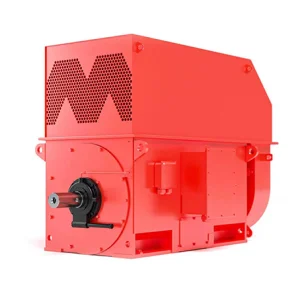
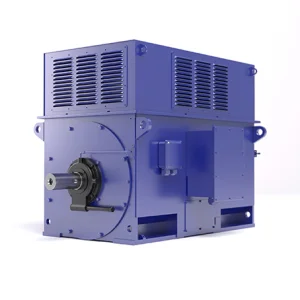
For applications demanding high torque-to-volume ratios, check out these references from our primary engineering lines. They are specifically configured to minimize core excitation losses under variable load curves.
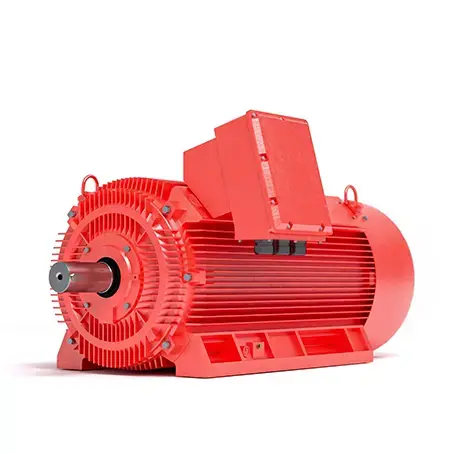
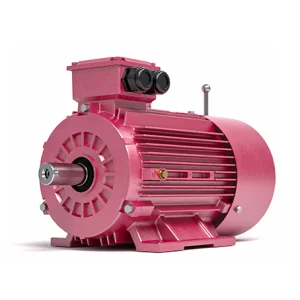
Engineered with optimized stator slot fill factors and DW310 laminations, these models achieve Class IE3 and IE4 efficiency standards, minimizing excitation current losses.
Read More Technical Details →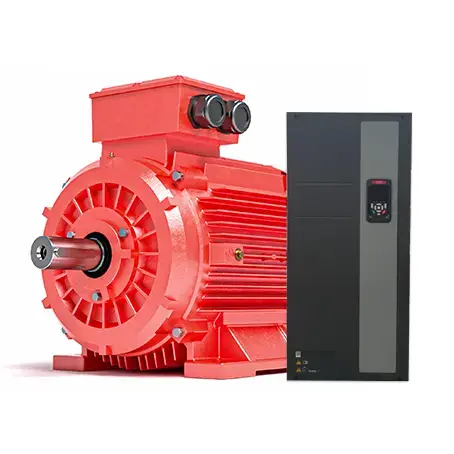
By eliminating rotor copper losses, our SynRM line provides high efficiency under light loads and boasts a lower no-load current footprint than standard induction alternatives.
Read More Technical Details →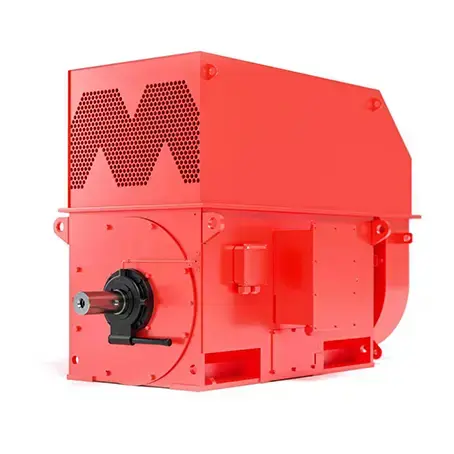
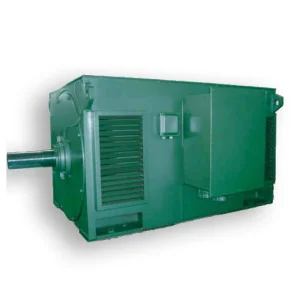
Designed for high-voltage distribution networks. The customized stator winding layout reduces magnetizing current demands at 6kV and 10kV levels.
Read More Technical Details →